Indices● Neutral
Mark Walter's Lakers flip: a 25% win that lost to the S&P 500
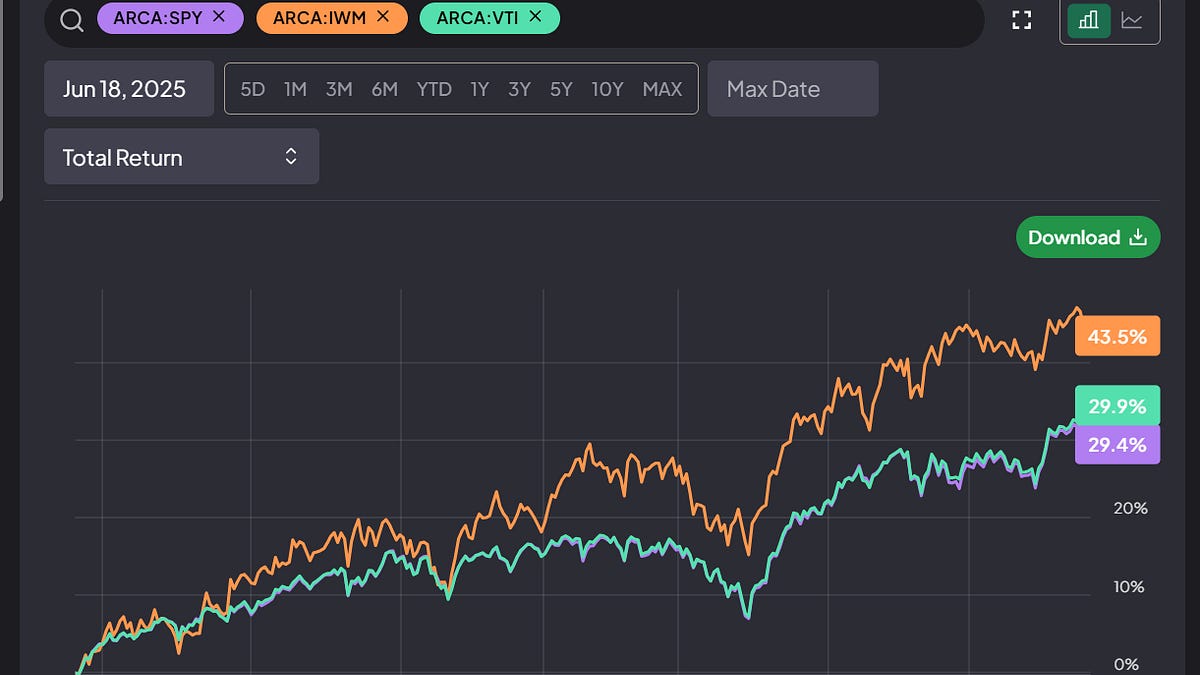
Mark Walter's $2.5B profit on the Los Angeles Lakers sale looks huge. Against a 30% equity rally and transaction costs, it lost to passive indexes.
Continue with
Mark Walter sold the Los Angeles Lakers in August for $12.5 billion, about 18 months after buying the team for $10 billion. The $2.5 billion profit looks like a windfall. It isn't a winning investment against a simple passive benchmark.
The forced sale came after insurance regulators flagged undisclosed related-party loans from life insurance companies Walter controlled. He needed to unwind the positions quickly. The $12.5 billion price, widely reported as a fire sale, still delivered a 25% headline return.
The S&P 500 gained roughly 30% over the same 18-month stretch, according to Yet Another Value Blog, which published a detailed critique of the deal. An investor who put $10 billion into an index fund would have walked away with about $3 billion, half a billion more than Walter's profit, with no lawyers, no months of due diligence, and no regulatory probes.
Transaction costs eat further into the headline number. Buying a private sports team involves months of advisory work and hundreds of millions in fees. Selling one incurs similar costs. A liquid ETF position avoids both entirely. The blog pointed out that private assets usually command a liquidity premium over public equities. The Lakers underperformed the broad market even without that premium, suggesting the trade was mediocre by any standard.