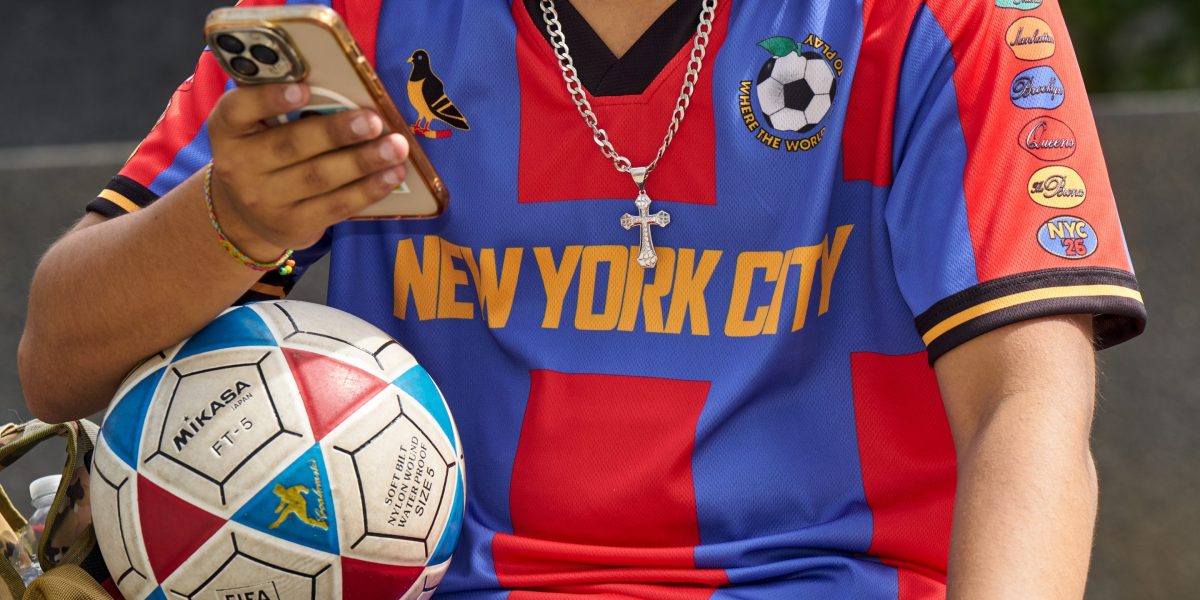
Mamdani railed against FIFA's price gouging. His $50 jersey drop produced 2,000% eBay markups, lines in 92° heat, and the same uncapped resale market he condemned.
Mayor Zohran Mamdani spent his campaign denouncing FIFA's uncapped resale market. In September he launched a petition demanding the soccer body end dynamic pricing, cap resale prices and reserve 15% of tickets for local residents at a discount. “That means you can buy a ticket for 60 bucks and resell it for $6,000,” he said in a video announcing the petition.
On Friday, his own administration reproduced the same dynamic.
The city released a limited run of 1,500 World Cup jerseys at $50 each, available only in person at the CityStore starting at 9 a.m. Before the doors opened, New Yorkers camped overnight in 92-degree heat. The line snaked around the David Dinkins building through a plaza and up to the federal courthouse, according to The City Reporter's Katie Honan. Fortune was on scene when a CityStore employee informed the crowd the jerseys had sold out.
Almost immediately the jerseys appeared on eBay. One sold for $1,150, a 2,000% markup.
The markup mirrors exactly what Mamdani warned about. The same uncapped resale market he criticized now exists for a city-issued product. Wharton economist Judd Kessler calls this the hidden market: a Springsteen ticket priced at $60 gets resold at $4,000, and the difference goes to speculators who add nothing to production.
FIFA at least collects a 30% cut on every resale through its official exchange. The CityStore gets nothing when a jersey flips on eBay. Those who camped out and resold pocketed the margin.
The New York and New Jersey attorneys general are investigating FIFA for allegedly inflating ticket prices by design. The city's own jersey drop creates a parallel situation, complete with constrained supply, physical queuing, and a secondary market that extracts the difference.
Mamdani's office did not respond to Fortune's request for comment. In a statement Friday morning, the mayor said “there will be another drop” for the jerseys.
That did not stop New Yorkers from complaining on social media. Some noted they had seen better logistics from a Supreme drop, a brand famous for the crowds that line up for the latest fashion item.
The underlying problem is an economic one. A below-market price on a scarce good doesn't eliminate scarcity. It relocates the cost into a 1 a.m. arrival time, a 92-degree wait, and a resale listing before the line even died down.
Prepared with AlphaScala research tooling and grounded in primary market data: live prices, fundamentals, SEC filings, hedge-fund holdings, and insider activity. Each story is checked against AlphaScala publishing rules before release. Educational coverage, not personalized advice.