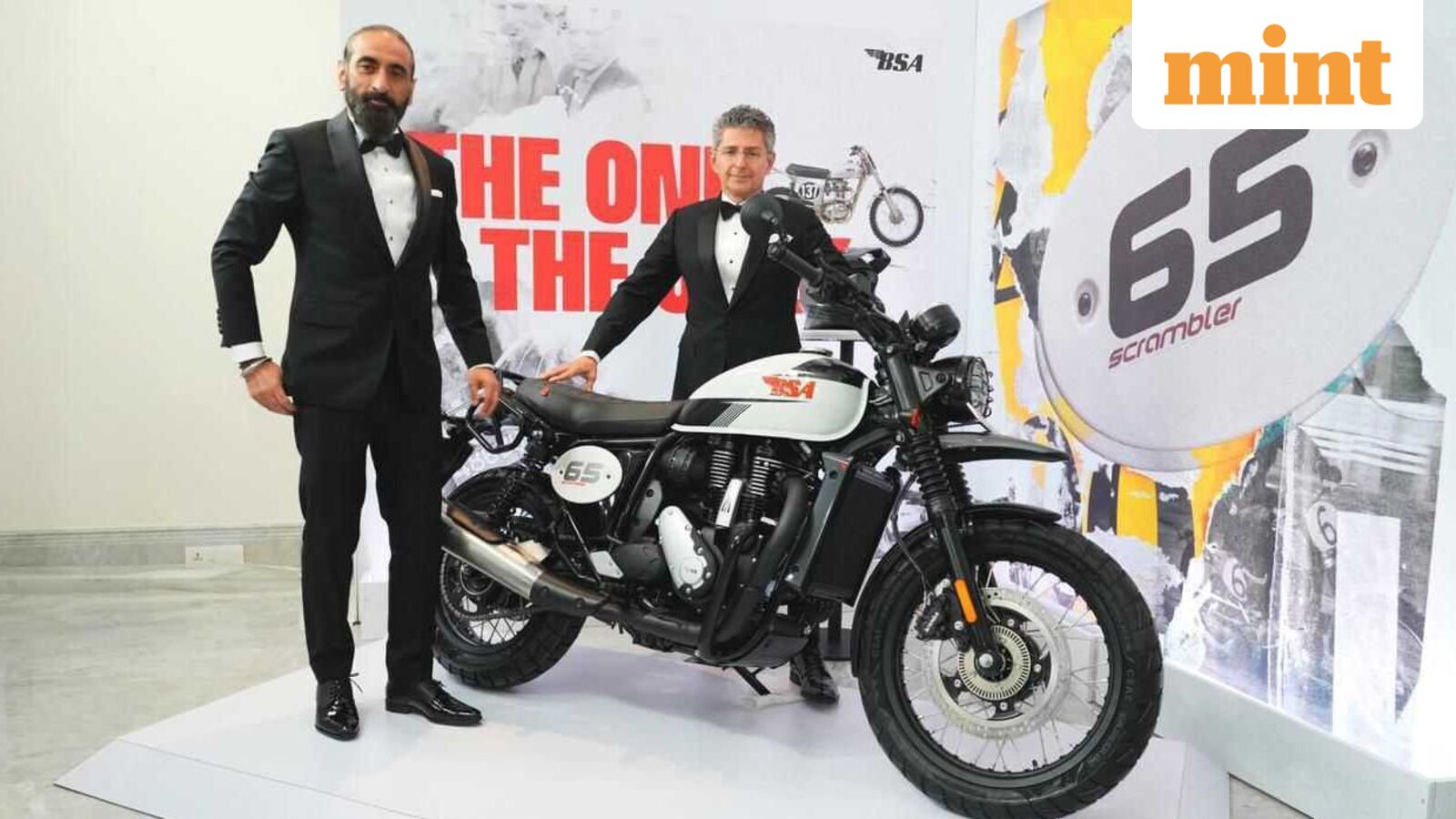
Classic Legends, the motorcycle venture majority-owned by the Mahindra Group, is intensifying its focus on the premium segment through a series of new product launches. By leveraging the heritage of the Jawa and Yezdi brands, the company aims to solidify its position within the competitive Indian two-wheeler market. This strategic pivot follows a period of consolidation for the brand, which was established in 2018 to bridge the gap between nostalgic motorcycle design and modern engineering standards.
Strategic Ownership and Brand Positioning
The ownership structure of Classic Legends remains anchored by the Mahindra Group, which holds a 60% stake in the entity. The remaining equity is split between Anupam Thareja and Boman Irani of the Rustomjee Group. This partnership was originally formed to revive dormant motorcycle marques and introduce them to a new generation of enthusiasts. The current push into premium models suggests that the stakeholders are prioritizing higher-margin products to differentiate themselves from mass-market competitors.
By focusing on the premium classic category, the company is attempting to capture a specific demographic that values brand legacy alongside contemporary performance. This approach requires consistent capital allocation toward research and development to ensure that the re-engineered versions of Jawa and Yezdi motorcycles meet current regulatory and consumer expectations. The ability to scale these operations while maintaining the aesthetic appeal of the original models remains a core challenge for the management team.
Market Context and Competitive Dynamics
The broader automotive sector in India is currently witnessing a shift toward premiumization as consumer preferences evolve. Manufacturers are increasingly moving away from entry-level segments to focus on lifestyle-oriented motorcycles. This trend is driven by rising disposable incomes and a growing interest in motorcycling as a recreational activity rather than just a utility-based transport solution. As these firms compete for market share, the success of Classic Legends will depend on its distribution reach and the perceived reliability of its new product lineup.
AlphaScala data currently tracks various players in the industrial and consumer sectors, providing a baseline for assessing how companies like Mahindra navigate these shifts. For instance, Agilent Technologies, Inc. holds an Alpha Score of 55/100, reflecting a moderate outlook within the broader healthcare and industrial landscape. While the sectors differ, the underlying principle of managing operational risk during product transitions remains a constant across stock market analysis.
Future Milestones and Operational Hurdles
The next phase for Classic Legends involves proving that its new product pipeline can sustain long-term demand. Investors and industry observers will look for evidence of increased production capacity and the successful rollout of these motorcycles across a wider network of dealerships. The company must also navigate the complexities of supply chain management to ensure that the premium positioning is supported by high-quality service and parts availability.
Future updates regarding the company's financial performance and unit sales will serve as the primary indicators of whether this premium-focused strategy is yielding the expected returns. As the brand continues to integrate its legacy assets with modern market demands, the focus will shift toward its ability to maintain brand loyalty in a segment that is becoming increasingly crowded with both domestic and international entrants. Monitoring the upcoming quarterly filings and management commentary on production volumes will provide the necessary clarity on the venture's trajectory.