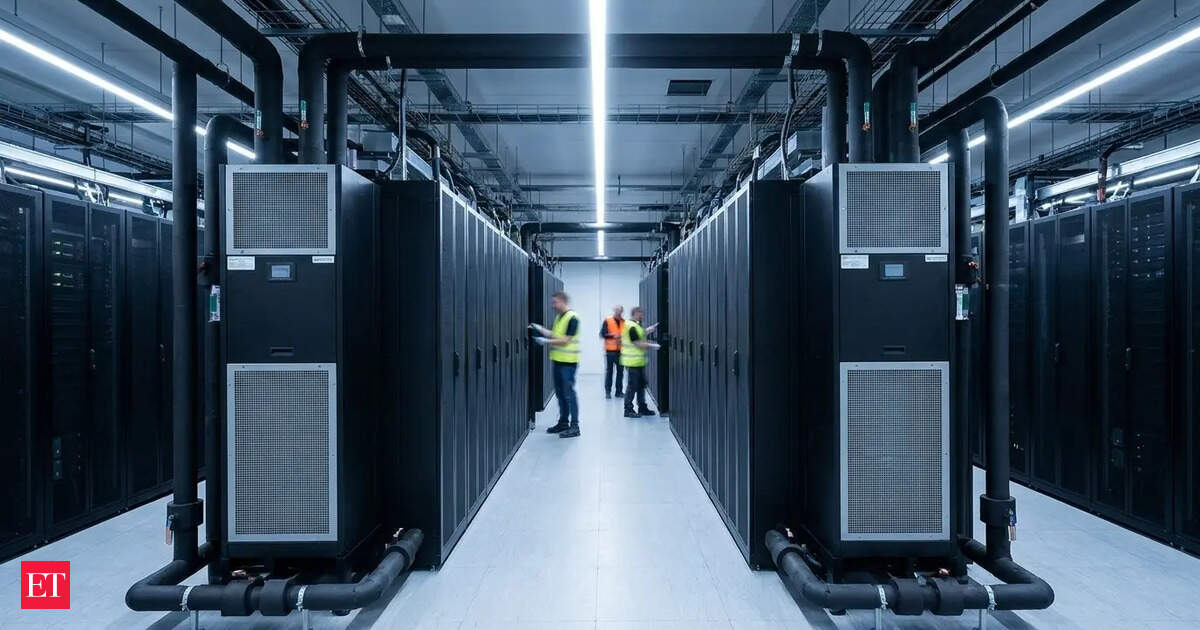
Maharashtra is no longer confining its green data centre incentives to Mumbai. The state government extended the policy to the entire state, opening the door for projects in Pune, Nagpur, Aurangabad, and smaller cities. Any developer building a data centre that meets the energy-efficiency and renewable-power standards can now claim the same tariff concessions and subsidies previously reserved for the Mumbai metropolitan area.
The change matters for two reasons. First, land is cheaper outside Mumbai. Second, power availability is less constrained. A data centre in Pune or Nashik can draw from the state grid without competing with the city's residential and commercial load. That alone shifts the project economics by several percentage points on internal rate of return, developers say.
The policy is part of a broader push to position Maharashtra as a hub for digital infrastructure. The state already accounts for roughly 40% of India's data centre capacity. With the geographic expansion, the government expects to add another 500 MW of IT load over five years. That is the equivalent of a small nuclear plant's worth of computing power.
For power utilities, the expansion brings both opportunity and strain. Maharashtra's grid is already under pressure during summer months. Adding hundreds of megawatts of round-the-clock data centre demand will require new transmission lines and possibly new generation capacity. The tariff concessions reduce the utility's revenue per kilowatt-hour sold, which could squeeze margins if the incremental load does not materialise as forecast.
Subsidies are the second risk. The policy offers capital subsidies and land cost reimbursements. State finances are tight after pandemic-era spending. If the incentives attract fewer projects than budgeted, the state absorbs the cost without the tax revenue. If they attract more, the upfront outlay strains the fiscal year's capital expenditure allocation.
None of this is unique to Maharashtra. Tamil Nadu, Telangana, and Uttar Pradesh have similar policies. What sets Maharashtra apart is the scale of existing infrastructure and the depth of the talent pool. The state houses most of India's cloud engineering teams. A data centre in Pune is a 30-minute drive from the engineering colleges that supply the workforce.
The immediate catalyst to watch is the first set of project announcements under the expanded policy. Reliance Industries has flagged data centre plans for several years. Adani Enterprises is building a 1 GW campus in Navi Mumbai and could extend that model inland. Tata Communications already operates across the state and would benefit from cheaper power in its non-Mumbai facilities.
Developers have six months to submit applications under the new rules. The first approvals are expected by September. That timeline will test whether the policy change is enough to accelerate investment or merely shifts projects from one district to another.