A Quarter of Capital Contraction
The first quarter of the year proved to be a sobering period for the digital asset landscape. Following a sustained period of speculative fervor, the crypto market witnessed a palpable exodus of capital, characterized by thinning liquidity and dampened risk appetite. As traders recalibrated their portfolios in the face of macroeconomic uncertainty and shifting regulatory headwinds, the broader market struggled to maintain the momentum that defined the previous cycle. The resulting vacuum left many institutional observers questioning whether the asset class could sustain its valuation floors without a fresh infusion of capital.
However, as the calendar turns to the second quarter, the narrative is beginning to shift. On-chain data indicates a significant pivot, with a $10 billion surge in stablecoin liquidity flooding into major ecosystems, most notably Ethereum and Solana. This influx of 'dry powder' represents a critical inflection point, as stablecoins serve as the primary bridge between fiat currency and decentralized finance (DeFi), acting as the lifeblood for trading volume and protocol activity.
The Role of Stablecoins in Market Recovery
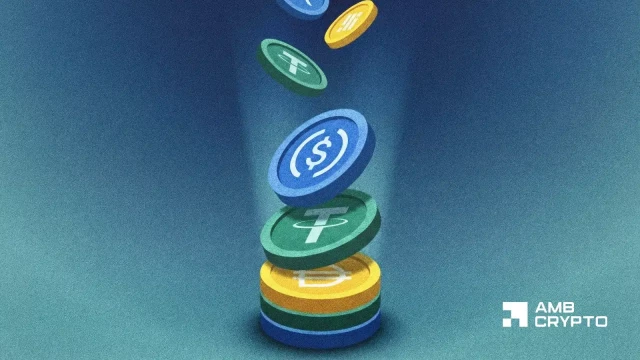
Stablecoins are the lifeblood of the crypto ecosystem. When capital leaves volatile assets, it typically seeks refuge in stablecoin wrappers—USDT, USDC, and others—waiting for a perceived bottom. The current $10 billion move into network-native stablecoins suggests that investors are not merely moving to the sidelines; they are positioning themselves for a tactical reentry.
Ethereum remains the primary beneficiary of this liquidity, maintaining its dominance as the settlement layer for institutional-grade DeFi. Simultaneously, Solana has seen a disproportionate share of this new capital, bolstered by its high-throughput architecture and a burgeoning ecosystem of decentralized applications that are attracting retail and institutional liquidity alike. For traders, this movement is a leading indicator. Historically, stablecoin growth on-chain precedes price appreciation in major assets, as developers and market makers utilize these funds to increase liquidity depth on decentralized exchanges (DEXs) and lending platforms.
Market Implications: Decoding the Signal
For the professional trader, this $10 billion surge is more than just a headline figure—it is a signal of shifting risk sentiment. If this capital remains stagnant, it acts as a 'buy wall' waiting to be deployed. Should it begin to rotate into volatile assets, we could see a rapid compression in spreads and a sharp recovery in market-wide valuations.
However, market participants should exercise caution. While stablecoin supply is a proxy for potential demand, the velocity of this money matters. If this capital is being deployed to chase yield in speculative, high-risk pools, it may exacerbate volatility rather than provide a foundation for a sustainable rally. Traders should monitor the 'stablecoin-to-market-cap' ratio, as a rapid increase in supply relative to market capitalization often signals an impending bull run, whereas a divergence could suggest that the market is becoming over-leveraged.
What to Watch Next
As we navigate the second quarter, the critical metric to monitor is the deployment rate of these stablecoins. Are they sitting idle in smart contracts, or are they being utilized to acquire spot assets? Furthermore, watch the interaction between Ethereum and Solana; a migration of liquidity between these two chains will dictate the leadership of any potential recovery.
While the Q1 exit was a stark reminder of the market’s sensitivity to liquidity conditions, the current $10 billion injection provides a much-needed buffer. Whether this capital serves as the fuel for a Q2 rebound or merely a temporary stabilization remains the central question for the coming weeks. Investors should prepare for increased volatility as this liquidity finds its home, potentially setting the stage for a decisive move in either direction.