Stocks● Neutral
LIC of India Leads Largecap RSI Upswing – Trend Watch
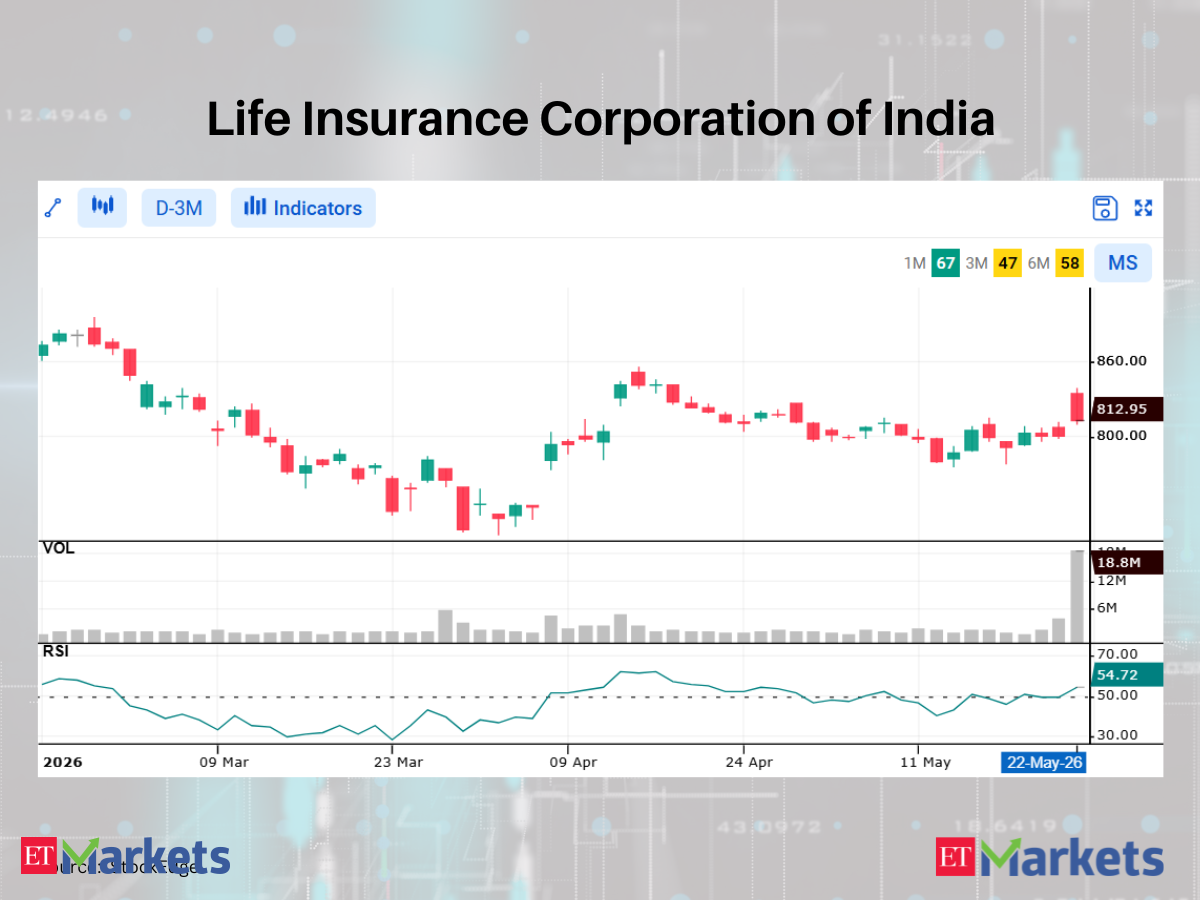
RSI crossing above 50 on May 22 triggered a naive buy signal for LIC and four other largecaps. Use this confirmation framework before trading.
Continue with
On May 22, five NSE-listed largecap stocks triggered an RSI Trending Up signal. According to data from StockEdge.com, the Relative Strength Index for these names crossed above 50 from lower levels, a pattern that many technical screens flag as an early uptrend. The list includes LIC of India, the country’s largest insurer, along with four other largecap constituents.
The Simple Read on RSI Upswing
The naive interpretation is straightforward. When RSI – a momentum oscillator that measures the speed and change of price moves – rises through the 50 midline, it shifts the bias from bearish to bullish. The move implies that buying pressure is overcoming selling pressure, and the stock may have bottomed. Short-term traders treat this as a buy signal, especially when the upswing coincides with a price breakout or support test.
For LIC of India, the scan suggests that after a period of weakness or consolidation, momentum is tilting in favor of buyers. A trader scanning the screen would see the ticker and consider a long position with a stop below the recent swing low.
The Better Market Read: Context Before Confirmation
A mechanical RSI crossover is not enough to act on. The better read examines the context of the upswing – volume, price structure, and sector sentiment – to decide whether the signal is genuine or a false start.
First, check whether the RSI crossed above 50 on above-average volume. A momentum shift without volume conviction often fades. For LIC of India, the day’s trading volume relative to its 20-day average is the first filter. If volume was lean, the upswing could be a low-participation bounce rather than a genuine trend change.
Second, review the price structure before the upswing. If the stock was in a clear downtrend (lower highs, lower lows), a single RSI cross above 50 is a potential reversal signal but needs follow-through. For LIC, look at whether the stock has established a base (a sideways range) over the past several weeks. A base provides a launch pad; a V-shaped bounce from a breakdown often fails.
Third, align the sector or index reading. LIC is a heavyweight in the Nifty 50 and insurance sector. If the broader market index is also showing bullish momentum or if the insurance sector is seeing inflows, the RSI upswing has higher probability. In isolation, a single-stock RSI move means little.