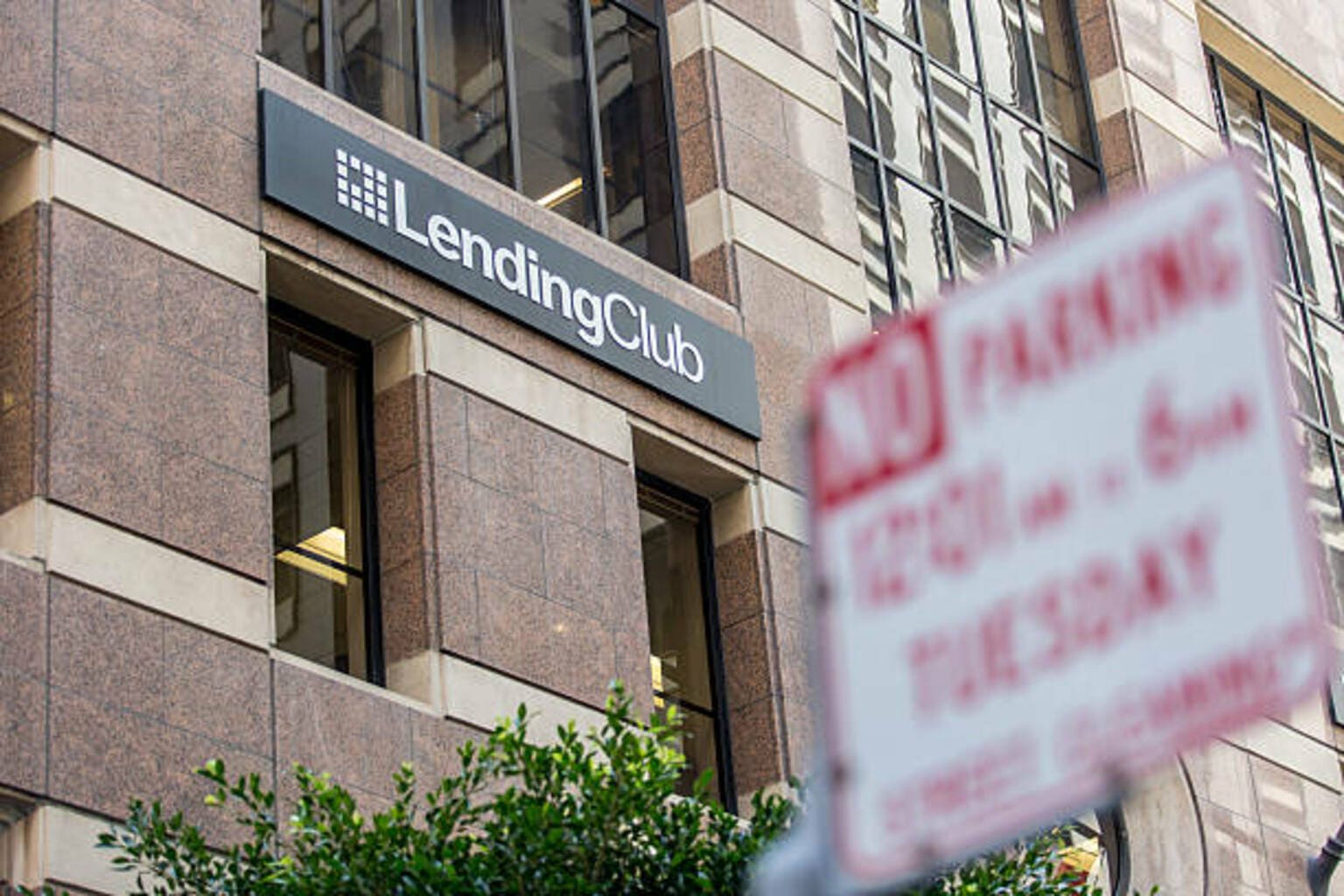
LendingClub reported fourth-quarter net income of $34.5 million, swinging from a loss of $15.6 million a year earlier. Revenue fell 8% to $187.6 million. Loan originations dropped 14% to $1.8 billion. The results reflect a company midway through a transition from marketplace lender to digital bank.
LendingClub bought Radius Bank in 2021 for $185 million, picking up a national bank charter and a deposit base. That lets it hold loans on its own books instead of selling them to investors. The model smooths revenue but introduces direct credit risk and dependence on net interest margin. That margin narrowed to 5.3% from 6.1% a year earlier. Deposit costs rose faster than loan yields, the company said.
Total deposits climbed to $3.5 billion, up $400 million from the third quarter. The cost of those deposits rose 42 basis points sequentially to 3.72%. The loan portfolio grew to $5.2 billion. Net charge-offs held at 3.1%, roughly in line with pre-pandemic levels. The provision for credit losses was $40 million, down from $50 million in the prior quarter.
Chief Executive Scott Sanborn told analysts on the earnings call that credit performance is stable. New funded accounts jumped 60%, evidence that consumers see LendingClub as a banking option, not just a loan source, he said. The efficiency ratio, a key cost metric for banks, improved to 57% from 62% a year ago. LendingClub guided for first-quarter revenue of $185 million to $200 million and net income of $25 million to $35 million.
The stock trades at 11 times forward earnings, below the 15x average for regional banks. The discount reflects the concentration in personal loans, a category that typically sees higher defaults in recessions. LendingClub has tightened underwriting. The average FICO score on new loans is 731, up from 717 in 2021.
LendingClub has no commercial real estate exposure, a relative advantage if the economy slows. The company expects full-year profitability in 2024 and a return on equity above 10% by year-end, Sanborn said. The first-quarter report in April will show whether loan originations stabilize and net interest margin stops falling. Management's 10% ROE target is the benchmark for the new model's viability.