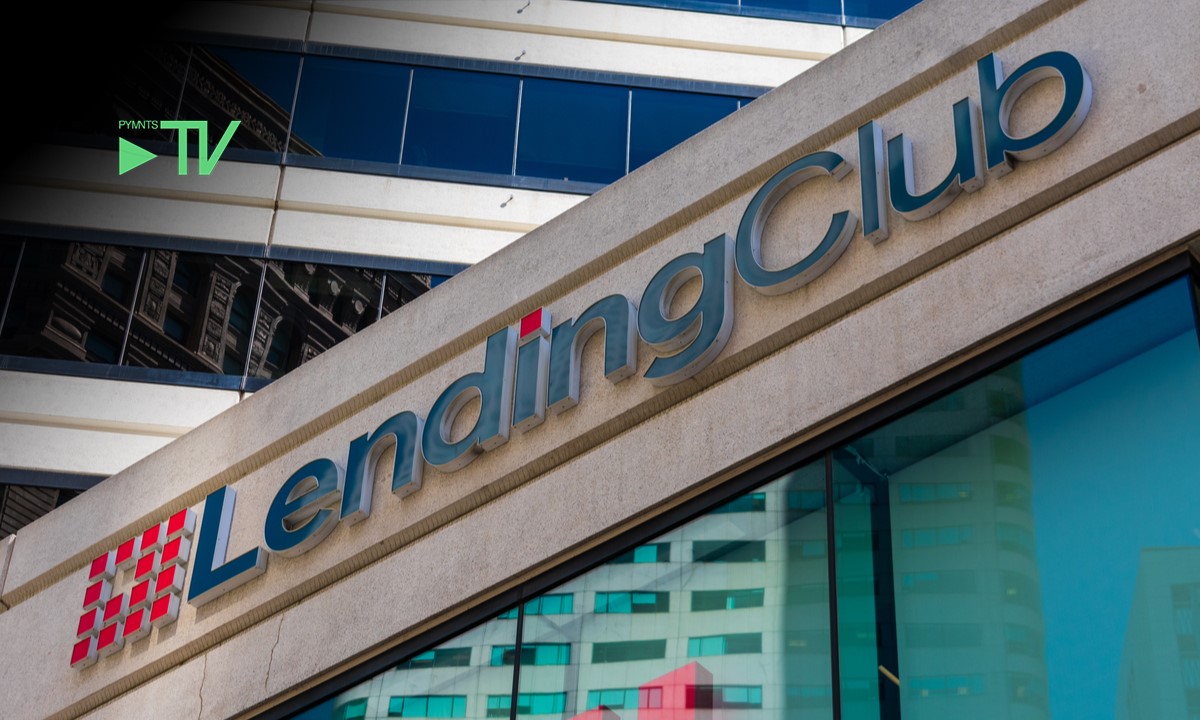
LendingClub announced it will move its stock listing from the New York Stock Exchange to the Nasdaq. The switch accompanies a rebrand to Happen Bank, marking a deeper shift in the company's identity.
Listing changes between major exchanges are rare for established companies. They often signal a deliberate repositioning – either to align with a new peer group or to gain better visibility among a specific investor base. Nasdaq has historically attracted technology and growth-oriented names. By moving to that exchange while rebranding, LendingClub is effectively rebranding its equity story alongside its corporate name.
The Exchange Switch and the Happen Bank Rebrand
The move is straightforward mechanically: LendingClub will transfer its listing from the NYSE to the Nasdaq, with the new ticker expected to reflect the Happen Bank name. The company did not specify a timeline for the transition.
The rebrand follows LendingClub's acquisition of a banking charter several years ago. The shift from a peer-to-peer lending platform to a full digital bank has been underway internally. The listing switch now makes that transition visible to the broader market. For traders, the change introduces a new margin of operational uncertainty – a relisting always carries execution risk, though the actual impact on liquidity is usually minimal after a short adjustment period.
The practical read is that LendingClub wants to be seen as a bank, not a fintech. Nasdaq's tech-leaning brand may help cement that perception. The play is not about exchange fees or liquidity. It is about category pricing. Banks trade at lower price-to-book multiples than growth fintechs, yet they also attract a different set of institutional holders who value deposit stability and net interest margin over user growth. The rebrand and exchange switch are meant to force that reevaluation.
How the Fintech-Banking Sector Reads This
The read-through for the sector is indirect. LendingClub is one of the few online lenders that successfully obtained a banking charter and then integrated it fully into the business model. Other companies that have pursued similar paths – such as SoFi or Upgrade – will be watched for similar moves. A switch to Nasdaq by LendingClub could start a pattern if investors reward the category clarity.
The mechanism works through peer comparison. If LendingClub starts to trade more like a regional bank than a consumer finance company, the sector's valuation peg shifts. That would pressure other fintech lenders to either clarify their own charter status or risk being grouped with lower-multiple bank stocks without the deposit base that justifies it. Conversely, if the rebrand fails to move the valuation needle, it suggests the market sees these entities as hybrids regardless of listing location.
LendingClub's announcement did not provide financial projections or guidance. The market will get its first test at the next earnings report under the Happen Bank name, when revenue composition and net interest margin disclosures will reveal how bank-like the model has become.
Next Decision Point
The critical date is the listing transfer itself and the subsequent first few trading sessions. A smooth relisting with no volume disruption would signal that institutional holders accept the change. Any unusual price dislocation or drop in bid-ask spreads would indicate execution friction. The real catalyst will be the first quarterly report under the new name. That filing will show whether deposit growth, loan yields, and operating leverage align with a traditional bank framework or still carry the higher-cost, higher-churn profile of a consumer lender.
For now, the story is about identity. LendingClub is betting that a Nasdaq listing and a bank brand will narrow the gap between its current valuation and that of its new peers. The sector will be watching for confirmation – or the lack of it.