Crypto▼ Bearish
Lummis Issues 2030 Deadline for CLARITY Act Crypto Regulation
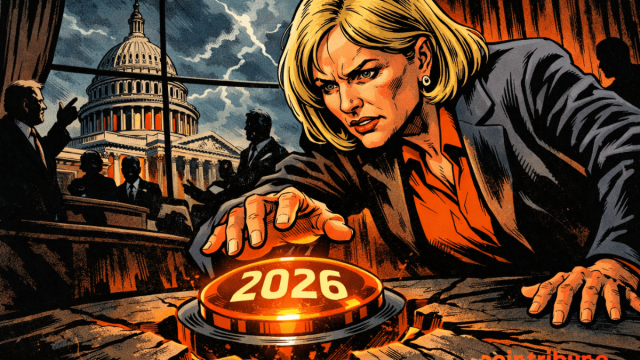
Failure to pass the CLARITY Act now could delay essential crypto oversight for five years. Investors face persistent regulatory risk without a clear framework.
Continue with
A Final Window for Crypto Regulation
The legislative landscape for digital assets in the United States has reached a pivotal juncture. Senator Cynthia Lummis (R-WY), a long-standing advocate for a robust domestic framework for cryptocurrency, has issued a stark warning regarding the future of the CLARITY Act. According to Lummis, the window for passing this critical piece of legislation is closing rapidly, with the Senator suggesting that failure to secure a vote in the immediate term could effectively shelf the bill until 2030.
For market participants and institutional investors, this represents a high-stakes moment of regulatory uncertainty. The CLARITY Act has been positioned as a potential bedrock for defining the operational boundaries of digital asset firms, aiming to provide the legal certainty that many industry leaders argue is necessary to foster innovation while maintaining consumer protection.
The Cost of Inaction
Senator Lummis’s warning underscores the frustration within political circles regarding the pace of congressional action on emerging technology. By framing the deadline as a potential five-year delay, Lummis is effectively signaling that the current legislative cycle is the last viable opportunity before the political climate shifts toward other priorities, or until the next major cycle of structural reform in Washington.
For the crypto sector, this timeline is particularly concerning. The absence of comprehensive federal oversight has contributed to a fragmented regulatory environment, where enforcement actions from agencies like the SEC have often acted as a proxy for policy. Investors have long called for a 'bright-line' test to distinguish between securities and commodities, a core expectation for any legislation passing through the Senate floor.