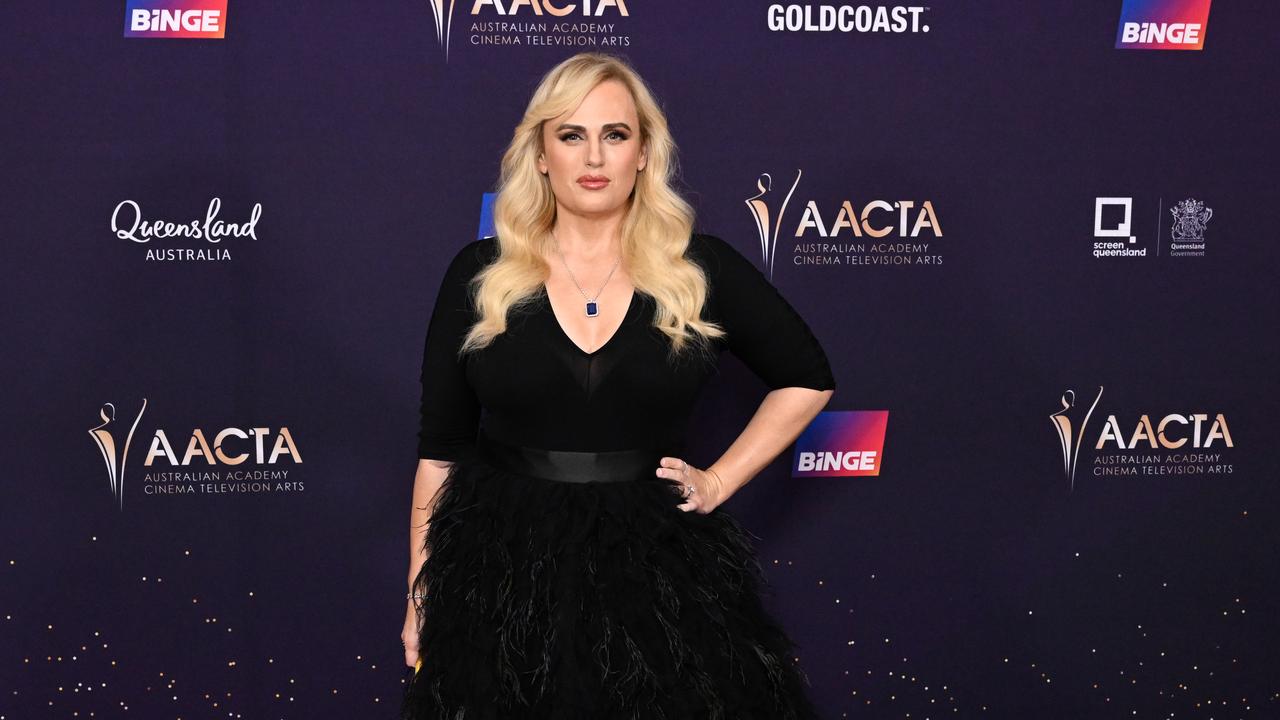
The narrative surrounding Rebel Wilson has shifted from creative output to legal liability as a defamation lawsuit centered on her directorial debut moves into the courtroom. This transition marks a departure from standard industry promotion cycles, placing the financial and reputational stakes of her latest project under judicial review. The litigation forces a re-evaluation of the production process and the professional conduct surrounding the film, creating a period of uncertainty for stakeholders involved in the project.
Litigation Impact on Production Assets
The core of the dispute rests on allegations of defamation that could influence the long-term viability of the film as a commercial asset. When a project becomes the subject of active litigation, the focus shifts toward potential damages and the possibility of reputational fallout that may affect future distribution or licensing agreements. The court proceedings will likely examine the internal communications and decision-making processes that occurred during the production phase. For investors and industry partners, the outcome of these hearings serves as a primary indicator of whether the film will face significant delays or if the associated production entities will incur substantial legal costs.
Sector Read-Through for Independent Production
This case highlights the broader risks inherent in independent film production where creative control and operational oversight often intersect in complex ways. The entertainment sector frequently navigates disputes over intellectual property and contractual obligations, but defamation claims introduce a layer of personal and professional risk that can complicate project timelines. If the court finds merit in the claims, it could prompt a shift in how production companies structure their legal protections and liability insurance for high-profile directorial debuts. The industry will monitor the proceedings to see if the outcome establishes a precedent for how similar disputes are handled in the future.
AlphaScala Data and Market Context
Market participants often look for stability in consumer-facing sectors, but legal volatility can disrupt expected value trajectories. While our current data shows mixed sentiment for companies like Amer Sports, Inc. (Alpha Score 47/100) and moderate performance for Agilent Technologies, Inc. (Alpha Score 55/100), these figures reflect broader sector trends rather than specific litigation risks. Investors interested in stock market analysis should note that legal developments in the media space often create localized volatility that is distinct from macroeconomic indicators. The next concrete marker for this situation will be the court's ruling on the defamation claims, which will determine the immediate financial exposure for the parties involved and provide clarity on the film's path to market.