Macro● Neutral
Preacher Rampal Released After 11-Year Detention Stirs Tensions
High Court ruling on prolonged detention sets a legal precedent for regional stability. Watch for potential supply chain disruptions and local unrest ahead.
Continue with
A Decade Behind Bars
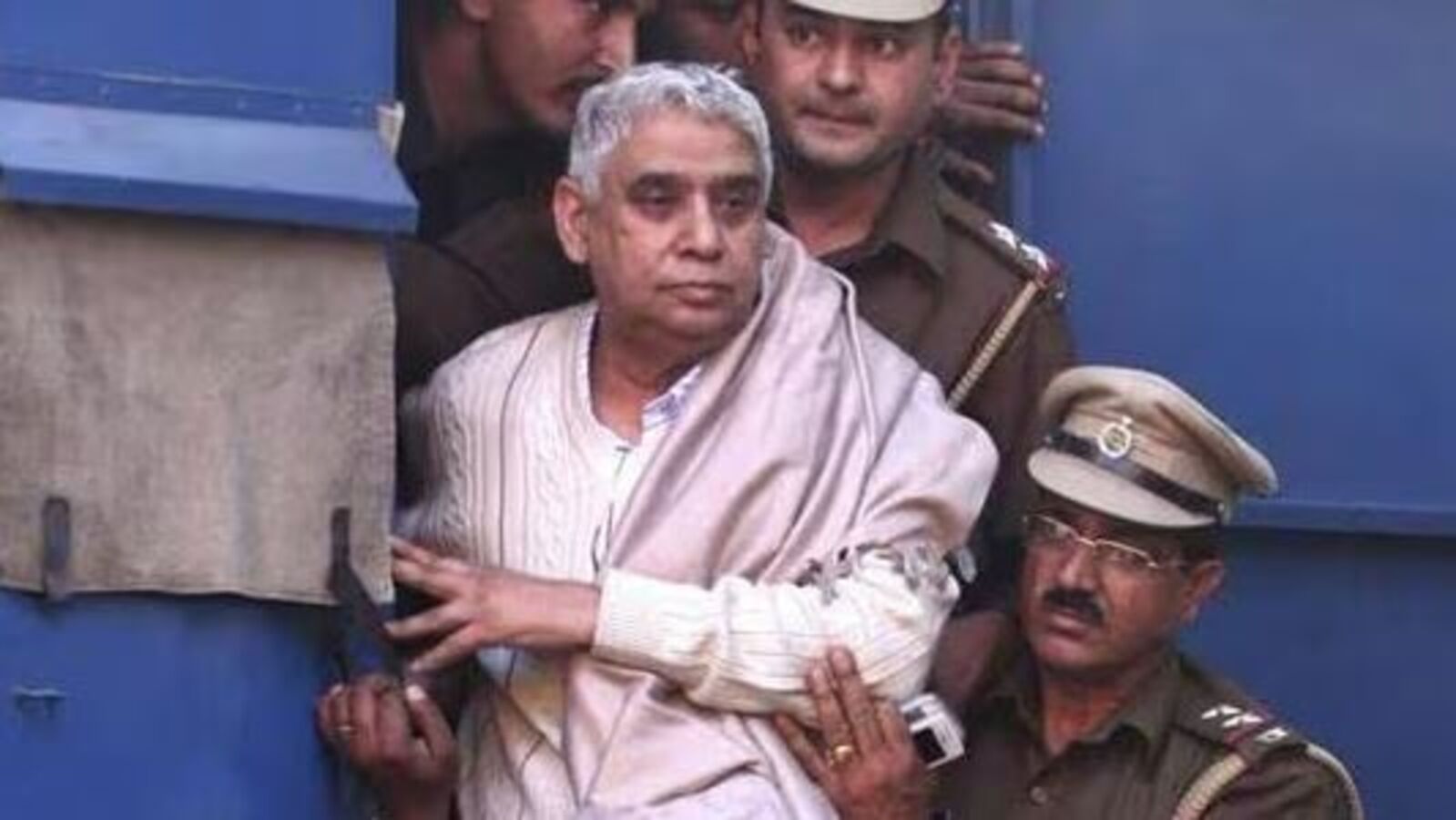
In a development that has drawn significant attention from both legal observers and regional authorities, controversial preacher Rampal has been released from prison following an 11-year incarceration. The release follows a critical evaluation by the High Court, which weighed the duration of his detention against the gravity of the charges brought against him. Rampal, whose movement has historically been characterized by both a devoted following and intense friction with state authorities, had been held in connection with a major violence case stemming from past unrest.
For legal analysts, the High Court’s decision underscores a growing judicial focus on the constitutional rights regarding prolonged pre-trial or pre-conviction detention. The court cited the 11-year duration as a primary factor in its decision to grant relief, highlighting that the state’s interest in maintaining public order must be balanced against the individual’s right to a timely judicial resolution.
The Security Apparatus
Given the preacher’s history and the potential for civil unrest surrounding his return to the public sphere, regional security forces implemented an extensive operational plan. Ahead of his scheduled release, local police authorities deployed elaborate security arrangements across key transit points and areas where his supporters maintain a presence.
These measures were designed to mitigate the risk of violence and ensure that the transition from incarceration to freedom did not lead to a breach of the peace. The mobilization of such significant resources underscores the lingering sensitivity surrounding the case and the state’s preemptive approach to managing potential flashpoints involving high-profile figures with large, occasionally volatile, followings.