Indices● Neutral
Legacy Housing: Why Its Balance Sheet Matters More Than Rates
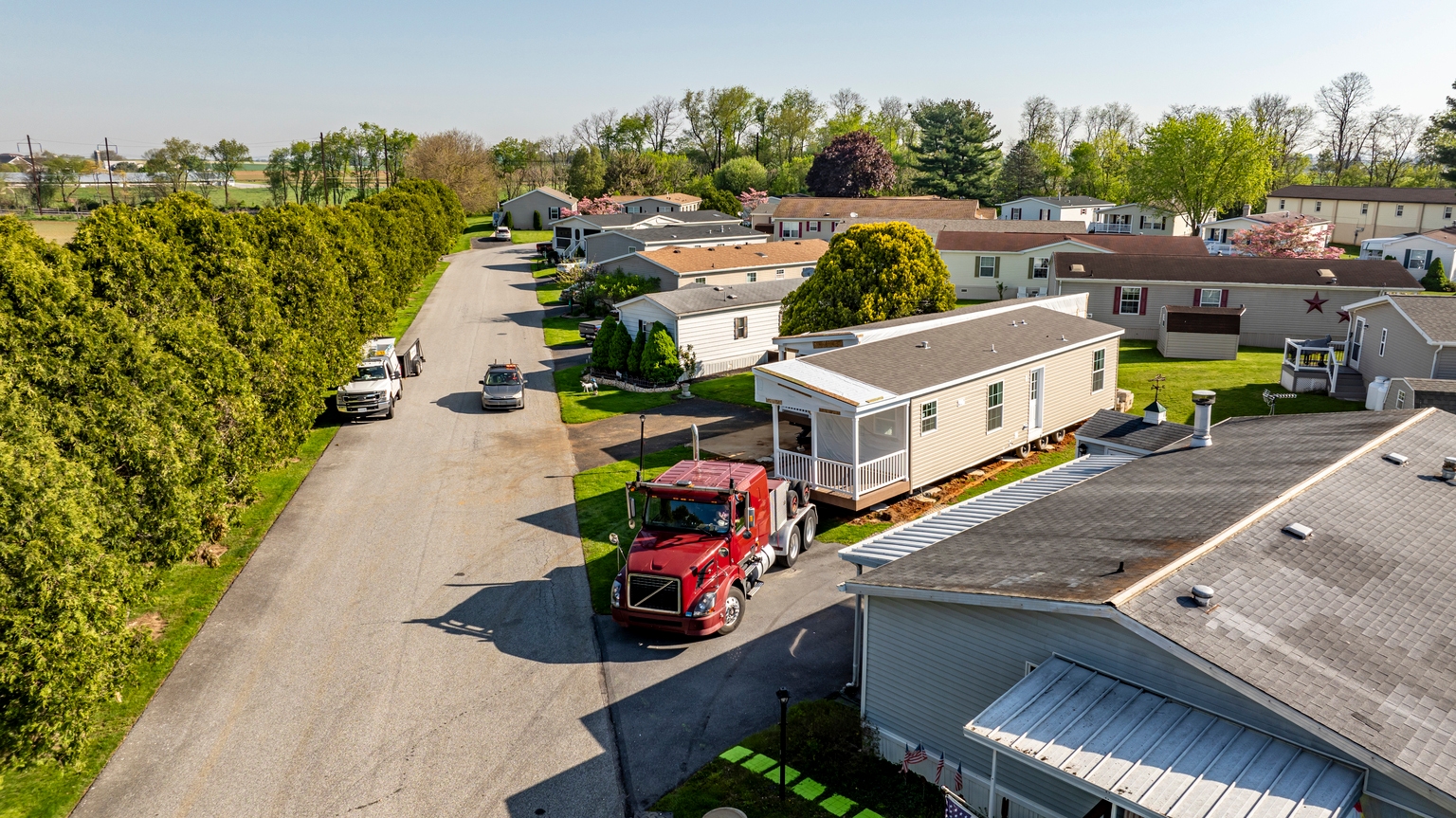
Legacy Housing's balance sheet and build-to-order model give it room to absorb rate pressure. The next earnings print will test whether margins and credit hold up.
Continue with
Legacy Housing Corporation, a Texas-based manufactured home builder that ranks among the top five in its segment, has been in business for more than two decades. The company builds and sells homes through a dealer network and provides consumer financing to support those sales.
The macro headwind is well understood. Higher interest rates have narrowed the affordability gap between manufactured homes and site-built houses, weighing on sales volumes across the sector. Order rates for builders have slowed. What sets Legacy apart is a balance sheet that can absorb pressure without external capital. The company carries moderate debt relative to equity, and its financing arm gives it control over the terms its customers face – an advantage over builders that rely entirely on third-party lenders.
Inventory is another factor. A glut of new homes on dealer lots would be a problem for any builder. Legacy builds to orders rather than speculative targets, which has kept its own inventory manageable. That reduces write-down risk if the market slows further. Dealers have been cautious about restocking for several quarters. When demand does turn, the replenishment cycle could be sharp.