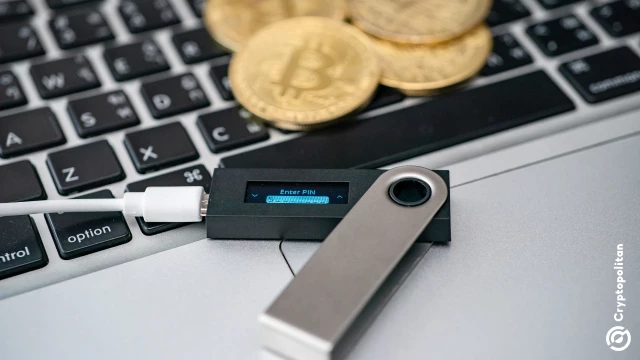
Ledger has officially paused its planned initial public offering and U.S. stock market listing, according to people familiar with the process. The French hardware wallet maker cited unfavorable market conditions as the reason for shelving the move, marking the latest retreat from public markets by a prominent crypto firm.
Ledger Shelves Public Listing Plans
Ledger had been exploring a U.S. listing to fuel its next phase of growth. The company, best known for its Nano X and Nano S Plus hardware wallets, occupies a critical niche in crypto security. Its devices are used by millions of customers to store private keys offline, securing a significant share of retail crypto holdings. A public debut would have given Ledger a currency to fund expansion, acquire competitors, and reward early investors. The company had previously raised capital from venture investors, and an IPO was seen as a natural exit path. The pause leaves those plans in limbo.
The decision underscores the gap between private-market ambitions and public-market reality. The people familiar with the matter indicated that Ledger is no longer actively pursuing the listing. The move does not signal a permanent cancellation. For now, the IPO window is shut.
The Broader Retreat from Crypto IPOs
Ledger is not alone. The crypto listing pipeline has frozen over the past year. Consensys, the Ethereum software firm, paused its own IPO plans earlier, and BitGo, a digital asset custodian, saw its secondary-market valuation slide 36% as public-market appetite waned. (See Consensys IPO Paused as BitGo Slides 36% – Crypto Listings Freeze.)
Since the 2022 market downturn, only a handful of crypto firms have successfully listed. The common thread is a market that has turned skeptical of crypto equities. Regulatory uncertainty, volatile trading volumes, and a string of high-profile bankruptcies have soured institutional demand. Even well-known brands like Ledger are finding that the public markets are not ready to price crypto hardware businesses at the multiples founders expect.
This chill extends beyond hardware. The broader crypto equity market has struggled (see crypto market analysis). Crypto exchanges, custodians, and infrastructure providers have all struggled to complete listings. The few that have gone public, such as Coinbase, trade well below their debut prices. For a hardware wallet maker with steady yet unspectacular growth, the path to a premium valuation is especially narrow.
Next Decision Point: Private Funding or Strategic Sale
With the IPO off the table, Ledger must now rely on private capital. The company has raised over $100 million in previous rounds from investors including 10T Holdings and Cathay Innovation. A new funding round, a strategic partnership, or even an acquisition by a larger financial technology firm could become the next move.
Competition in the hardware wallet space is intensifying. Trezor, Keystone, and newer entrants are vying for market share. Ledger's ability to invest in product development and distribution will depend on securing fresh capital without the public markets.
The next concrete marker for Ledger will be any announcement of a private funding round or a change in strategic direction. If the company can close a significant round at a stable valuation, it would signal that private investors still see value where public markets do not. A prolonged silence, however, could raise questions about its growth trajectory.
For now, the pause is a clear signal that the crypto IPO window remains firmly shut. Ledger's decision adds to the evidence that public-market investors are demanding a level of maturity and regulatory clarity that the crypto industry has yet to deliver.