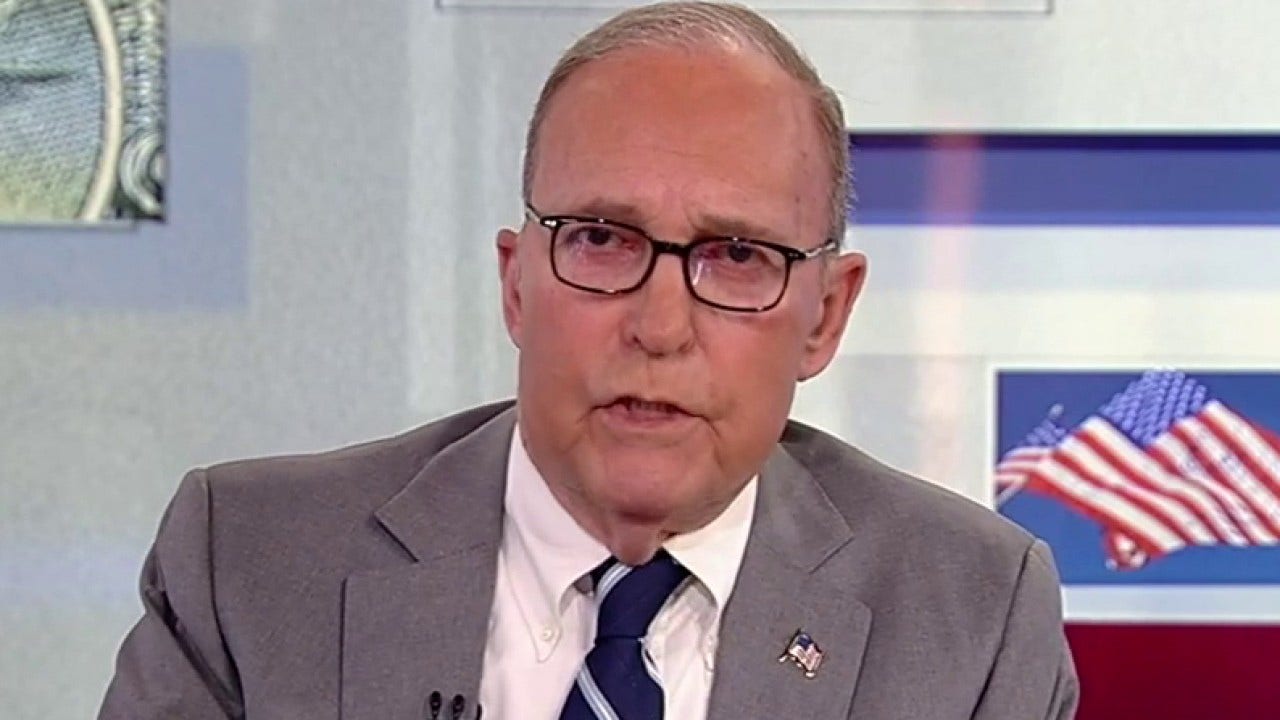
Kudlow Praises Trump’s Iran Strategy as Markets Weigh Geopolitical Risk

Larry Kudlow highlights the economic impact of past U.S. sanctions on Iran, as traders continue to monitor how geopolitical policy shifts influence global energy markets.
The Kudlow Perspective on Iran
Larry Kudlow recently characterized the Trump administration’s Iran policy as a success, citing the effectiveness of economic pressure. Kudlow argues that the strategy of isolating the Iranian economy constrained the state’s ability to fund regional proxies. By limiting the regime's access to foreign exchange, the previous administration aimed to force a shift in Tehran’s regional influence and nuclear ambitions.
Traders often view geopolitical tensions through the lens of supply chain disruptions and energy volatility. When examining the crude oil profile (/markets/profile/oil), the impact of sanctions on Iranian output remains a primary driver of risk premiums. Kudlow posits that the combination of strict enforcement and diplomatic isolation created a measurable economic exhaustion within the Iranian state, which he labels a "miracle" of policy execution.
Market Implications of Sanctions Policy
Geopolitical friction involving major oil producers always ripples through global energy markets. A return to aggressive sanctions or a change in enforcement posture can shift the supply curve overnight. For energy traders, the key variable is not just the stated policy but the actual volume of barrels leaking onto the market via shadow fleets and grey-market exports to Asia.
Market participants should track the following factors when assessing the impact of regional policy on asset prices:
- Export Volumes: Fluctuations in Iranian crude shipments often serve as a lead indicator for broader volatility in the energy complex.
- Risk Premiums: Sudden shifts in diplomatic rhetoric typically result in immediate repricing of crude futures.
- Regional Stability: Impact on maritime transit routes, particularly the Strait of Hormuz, remains a critical vulnerability for global supply chains.
"The economic pressure applied was unprecedented, and the results were clear in the fiscal constraints placed upon the regime," Kudlow noted during his analysis of the administration's historical approach.
Monitoring the Energy Complex
While political commentary focuses on the outcome of the strategy, the markets focus on the price of CL (Crude Oil) and the broader energy sector. Investors observing the market analysis desk know that energy sector performance is frequently tethered to the perceived risk of conflict in the Middle East. If the market anticipates a tightening of sanctions, the immediate reaction is typically a move toward risk-off sentiment in equities paired with a bid for crude.
Traders should watch for any signals from the current administration regarding the relaxation or tightening of existing enforcement mechanisms. Any change in the stance toward Iranian oil exports will likely be felt first in the front-month futures contracts. Monitor the spread between WTI and Brent for clues on how the market is pricing in specific regional risks versus global supply demand imbalances.
Ultimately, the efficacy of any sanctions regime is measured by the delta between projected and actual supply hitting the global market.
AI-drafted from named primary sources (exchange feeds, SEC filings, named news wires) and reviewed against AlphaScala editorial standards. Every price, earnings figure, and quote traces to a specific source.