Kraken's FIFA World Cup Sponsorship: The Real Test
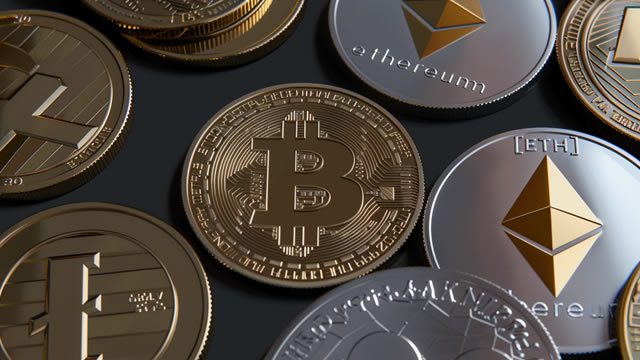
Kraken becomes first crypto exchange in FIFA's official partner ecosystem. Fan token decay, prediction market flows, and a compliance test at 6 billion impressions.
On June 9, FIFA named Kraken the first official crypto exchange supporter of the World Cup. The deal covers the 2026 tournament across 16 host cities in the US, Canada, and Mexico, with an audience projected above six billion cumulative viewers.
The category is new. No exchange held this designation before. Kraken bought exclusivity at the Supporter tier, the third of three commercial levels FIFA sells, which typically costs low tens of millions for a single tournament cycle. Financial terms are undisclosed.
The Deal and Its Structure
The package includes ticket giveaways, host-city app-install activations, and educational programming across North America and Europe. Kraken’s co-CEO Arjun Sethi said the partnership reflects shared borderless logic between football and open financial systems. FIFA’s chief business officer Romy Gai framed it as a fan-experience play.
Structured this way, the deal avoids the 2021 pattern where exchanges bought billboards without funnels. Kraken’s activation runs the full tournament window, June 11 to July 19, and opened a day early with a multi-city concert series. The exchange’s existing sports portfolio includes Tottenham Hotspur, Atletico Madrid, and a Williams Racing F1 deal, giving it tested fan-acquisition mechanics.
Cryptocurrency’s last big sports wave left a graveyard. FTX’s Miami Heat arena deal became a bankruptcy exhibit. Crypto.com’s $700 million Staples Center naming rights timestamped the mania peak. Kraken enters this tournament during a drawdown, with Bitcoin near $61,000 and sentiment indexes in fear territory. Sponsorship terms negotiated in bear markets tend to focus on strategy rather than vanity.
What Success Requires
The math is simple at the top of the funnel. A low-tens-of-millions fee needs a few hundred thousand funded accounts to beat Kraken’s alternative customer-acquisition cost, which is roughly $50–100 per account through standard channels. That conversion rate is a fraction of a percent of the six-billion audience.
The catch is retention. Fan tokens from the Qatar 2022 cycle showed a consistent decay curve: group-stage spikes, knockout peaks, then a rapid decline after elimination. Chile’s $POR token volumes surged during Cristiano Ronaldo appearances and collapsed when the team exited. Tournament-driven crypto activity typically reverts within weeks.
Countervailing evidence exists. Prediction-market user studies from this World Cup found a majority of active participants had no prior on-chain history, suggesting the event is reaching new audiences. Regulatory infrastructure in Europe under MiCA and in the US via spot ETFs gives curious viewers legal on-ramps that did not exist four years ago.
Kraken’s activation runs into a jurisdictional patchwork. The US host states have overlapping state-level marketing rules; Canada’s provincial regulators have pushed several exchanges out of the market entirely; Mexico sits in a legal gray zone. Europe, covered by MiCA, offers the cleanest funnel from broadcast to funded account, an asymmetry that will shape where the conversion dollars land.
Renewal for the 2030 World Cup is the public tell. Nobody re-buys a failed sponsorship at a mega-event. If Kraken renews, the category becomes a template rival exchanges will bid on. If it does not, the deal joins the quieter graveyard of expensive but non-catastrophic sponsorships, and the industry learns that legitimacy and growth remain separate purchases.
The tournament ends July 19. The four-year countdown to the answer starts at full time.
Drafted by a large language model from the source reporting linked above, then screened by automated publishing checks. It is not read by a journalist before publication. Some articles cite our Alpha Score. Verify prices and figures against the original source. Educational coverage, not personalized advice.