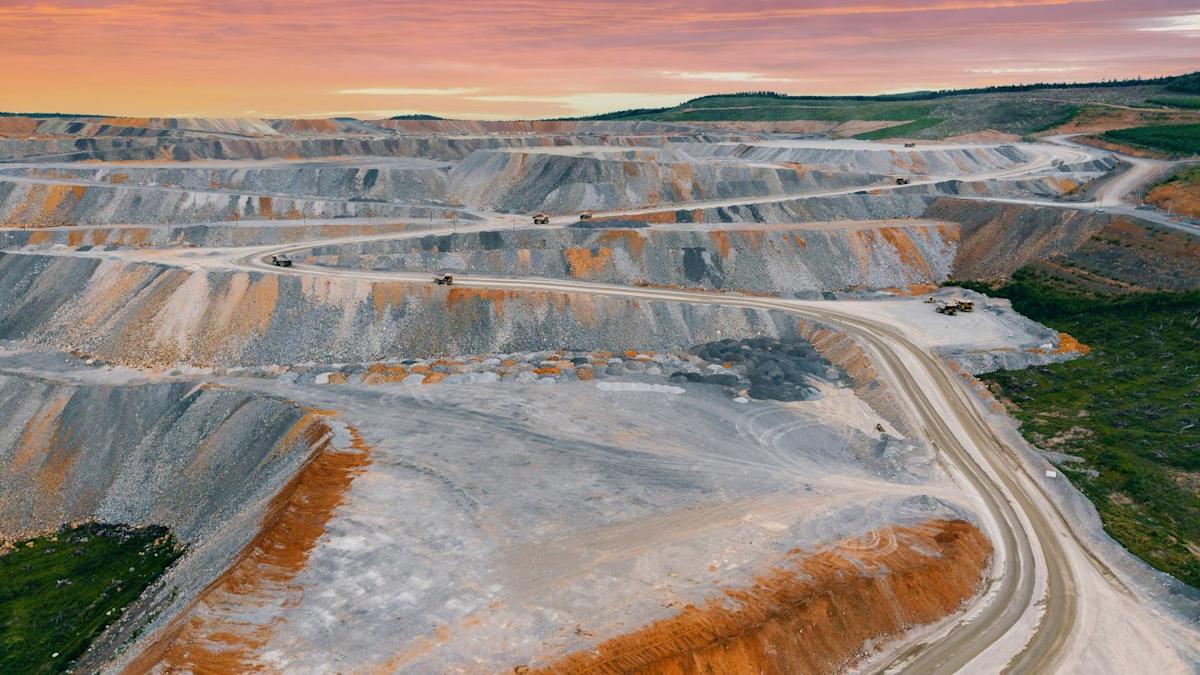
Kodiak Copper has entered a non-binding letter of intent with Teck Resources and Kay Copper to form a new entity focused on copper exploration in the United States. The agreement involves the transfer of specific regional assets into a subsidiary of Kay Copper. Kodiak will contribute its Mohave project, while Teck Resources will transfer its Copper Hill project. Both assets are located in Arizona, a region currently seeing increased interest due to the strategic importance of domestic copper supply chains.
Asset Consolidation and Strategic Rationale
The formation of this new entity represents a tactical shift toward pooling exploration resources in a high-potential jurisdiction. By combining the Mohave and Copper Hill projects, the venture aims to achieve greater operational scale and geological continuity. This consolidation allows the participating companies to streamline exploration efforts and potentially reduce redundant overhead associated with managing separate, smaller-scale projects. The move reflects a broader trend in the basic materials sector where firms are increasingly looking to optimize their portfolio through joint ventures rather than independent development.
For Teck Resources, the transaction serves as a mechanism to maintain exposure to copper development while offloading the operational burden of early-stage exploration. The company remains a significant player in the sector, as reflected in its current Alpha Score of 63/100, which categorizes TECK as a moderate performer within the basic materials space. By leveraging the expertise of partners like Kodiak, the firm can focus its capital on core production assets while retaining a stake in the long-term potential of the Arizona projects.
Sector Read-through and Exploration Dynamics
The copper market remains sensitive to supply-side constraints and the long lead times required to bring new mines to production. Exploration projects in stable jurisdictions like the United States are viewed as critical hedges against geopolitical volatility in traditional copper-producing nations. The collaboration between these three entities highlights the necessity of shared risk in the exploration phase, particularly as the costs of drilling and environmental permitting continue to rise.
Investors should monitor the following developments as the letter of intent moves toward a definitive agreement:
- The finalization of ownership percentages within the new entity.
- The announcement of a formal exploration budget for the combined Mohave and Copper Hill projects.
- The appointment of management for the new subsidiary to oversee the transition of assets.
The next concrete marker for this venture will be the execution of a binding definitive agreement. This document will clarify the governance structure and the specific timelines for exploration activities. As the sector continues to navigate the complexities of stock market analysis, the ability of these firms to successfully integrate these assets will serve as a test case for similar consolidation strategies in the junior mining space. The outcome of this partnership will likely influence how mid-tier producers approach their underutilized exploration portfolios in the coming fiscal year.