Macro● Neutral
Kevin Warsh Takes Fed Chair, Powell Stays as Governor
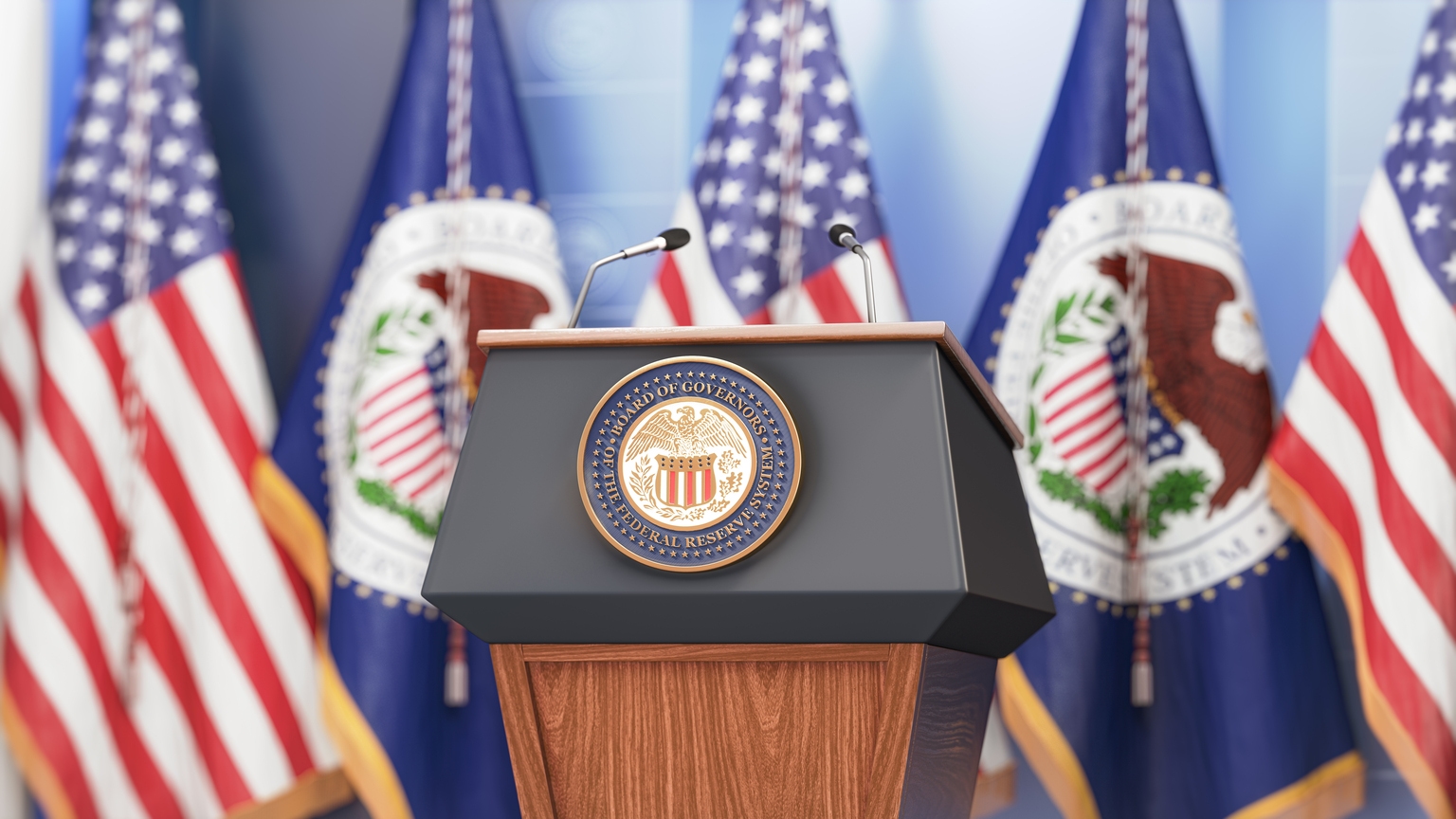
New Fed Chair Kevin Warsh signals potential hawkish shift. Powell remains on board. Treasury yields, dollar, and risk assets face repricing. Next FOMC statement is key.
Continue with
Kevin Warsh has taken over as Federal Reserve chair, replacing Jerome Powell, who will remain on the board as a regular governor. The leadership change is a policy signal markets must decode: a new chair with a different background and likely a different approach to rate policy, inflation tolerance, and communication. The immediate read is that the Fed’s forward guidance becomes less predictable. The better read is that the transmission through rates, the dollar, and risk assets will depend on how much of the existing Powell-era consensus survives.
The Policy Signal: A Hawkish Lean?
Warsh has been critical of the Fed’s late-cycle rate cuts and has argued for a more rules-based approach to monetary policy. That suggests a hawkish lean relative to the Powell chairmanship. Powell’s own record includes aggressive tightening in 2022-2023. The key difference is likely to be around forward guidance and the speed of policy adjustment. With Warsh at the helm, markets will price a lower probability of preemptive easing and a higher probability of reaction-function tightening if inflation re-accelerates. The fact that Powell stays as a governor means the board does not lose institutional knowledge. The chair’s vote and agenda-setting power now shift.
Transmission Through Yields and the Dollar
Treasury yields will be the first conduit. A more hawkish chair pushes the front end higher as rate-cut expectations are pared back. The 2-year yield is the most sensitive to policy path shifts. If the market reprices the terminal rate higher, the 10-year yield will follow, widening term premiums. That move would strengthen the U.S. dollar against most counterparts, particularly currencies where central banks are still in easing cycles. A stronger dollar then becomes a headwind for emerging-market assets and for commodities priced in dollars, including gold and crude oil. The transmission is clean: higher yields lead to a stronger dollar, which lowers commodity prices and tightens financial conditions for risk assets. For more on how yields affect stocks, see Bond Market Wrath: Cramer Warns Stocks Face Yield, Oil Headwinds.