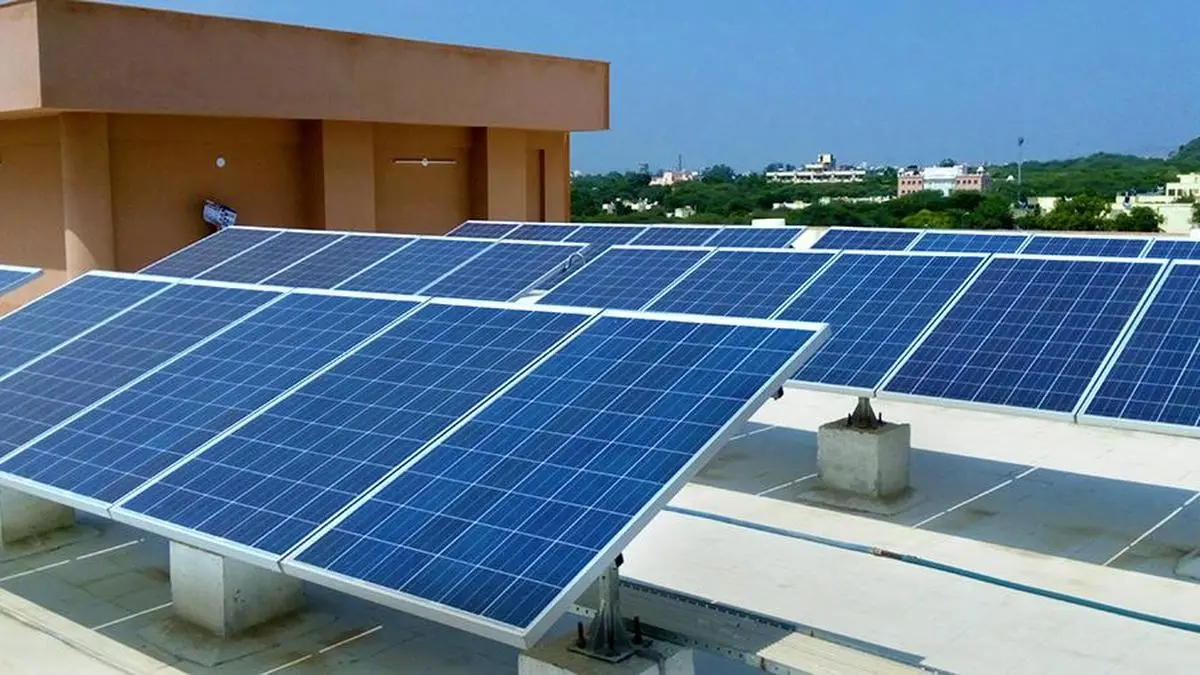
The Kerala State Electricity Regulatory Commission ordered KSEB to stop collecting inflated security deposits from rooftop solar consumers. The deposits had been calculated on gross electricity consumption, including power generated and used directly from solar panels, instead of net imports from the grid.
For many residential solar prosumers, monthly net energy charges fall to zero. Only fixed charges and meter rent remain. The statutory fixed charge is capped at ₹310 a month, so the legally required security deposit should stay below ₹1,000. Despite that, consumers reported receiving additional security deposit demands ranging from ₹5,000 to ₹17,000.
KSEB argued before the commission that the deposit should account for a possible future failure of a consumer's solar installation, which could increase reliance on grid power. The commission rejected that reasoning. It clarified that additional security deposits must be computed solely on net monthly energy consumption shown on electricity bills. KSEB must refund or adjust any excess collected under the old method.
Jameskutty Thomas, coordinator of the Kerala Domestic Solar Prosumers Community, said the decision provides substantial financial relief to rooftop solar consumers and reinforces regulatory safeguards that promote confidence in renewable energy investments. The directive, he said, strengthens trust in Kerala's rooftop solar program.
The ruling removes a regulatory hurdle for rooftop solar adoption in the state. For utilities, it limits the ability to collect upfront security beyond what net consumption justifies. For solar equipment installers and prosumers, it reduces a cost barrier that had been discouraging new connections. The precedent could influence similar disputes in other states where utilities have used gross consumption to calculate deposits.
KSEB has reportedly started reducing the security deposits by adjusting bills already sent to prosumers. The commission's order is final and does not leave room for appeal on the calculation method.