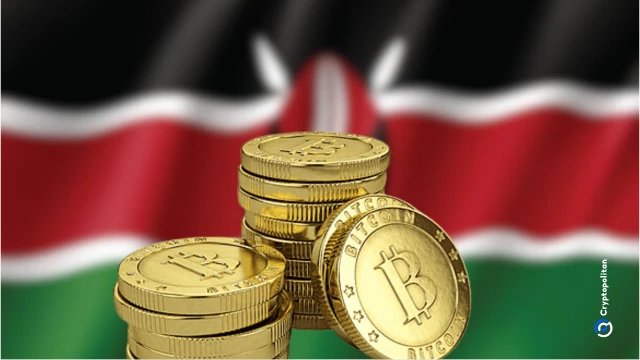
Kenya’s Finance Bill 2026 targets the crypto sector with a proposed 10% excise duty on fees charged by Virtual Asset Service Providers (VASPs) for trading and related activities. The rate is double the 5% excise applied to the betting industry, a comparison that signals a deliberate regulatory tightening.
The 10% excise on VASP fees
The duty applies to fees VASPs collect from users, not to the trading volume itself. That distinction matters. Exchanges and wallet providers will either absorb the cost or pass it on as higher spreads, withdrawal charges, or platform fees. A 10% levy on fee revenue compresses margins for formal providers in an already thin-margin business. The betting industry comparison – half the rate – frames crypto as a higher-priority revenue target for the treasury and a higher-risk activity in policy terms.
The bill is not yet law. It faces parliamentary debate, and the GenZ protests that resumed in recent weeks add political uncertainty. The previous finance bill in 2024 triggered widespread demonstrations, and the 2026 version is reviving that pressure.
Sector read-through for Kenyan crypto users
The naive read is that 10% on fees is a manageable operating cost. The better read is that this tax compounds existing friction for crypto access in Kenya. Local VASPs already contend with KYC compliance, mobile money integration costs, and a wary banking sector. Adding an excise that is heavier than gambling taxes sends a clear signal that the formal crypto channel is being discouraged relative to other digital financial services.
For traders, the likely outcome is a shift toward peer-to-peer (P2P) platforms that operate outside VASP definitions, or toward foreign exchanges that do not maintain local registration and therefore do not collect Kenyan excise. That undermines the regulatory goal of consumer protection and tax capture. It also pushes liquidity into informal channels where fraud and settlement risk are higher.
Kenya’s crypto market has grown steadily via mobile money rails like M-Pesa. The excise threatens to slow that growth by raising the cost of on-ramping into formal exchanges. If the bill passes, domestic VASPs may need to restructure fee models, potentially introducing subscription tiers or bundling services to keep effective tax burdens below the 10% headline.
The next decision point
The bill’s trajectory depends on parliamentary committee hearings and the political response to resumed protests. The 2026 fiscal year timeline means the excise could take effect as early as July 2025 if passed. For traders and VASPs operating in Kenya, the next concrete marker is the committee stage, where amendments could lower the rate, exempt small transactions, or narrow the definition of VASP fees. Without amendments, the 10% excise stands as one of the heaviest crypto-specific taxes globally relative to other domestic industries.
For broader context on how regulatory shifts affect crypto markets, see AlphaScala’s crypto market analysis. Traders evaluating jurisdiction risk should review the best crypto brokers for alternatives. The Bitcoin (BTC) profile outlines how exchange-level friction can influence network activity when local markets tighten.