Stocks● Neutral
Keith Rabois: AI Makes the Product Manager Role Obsolete
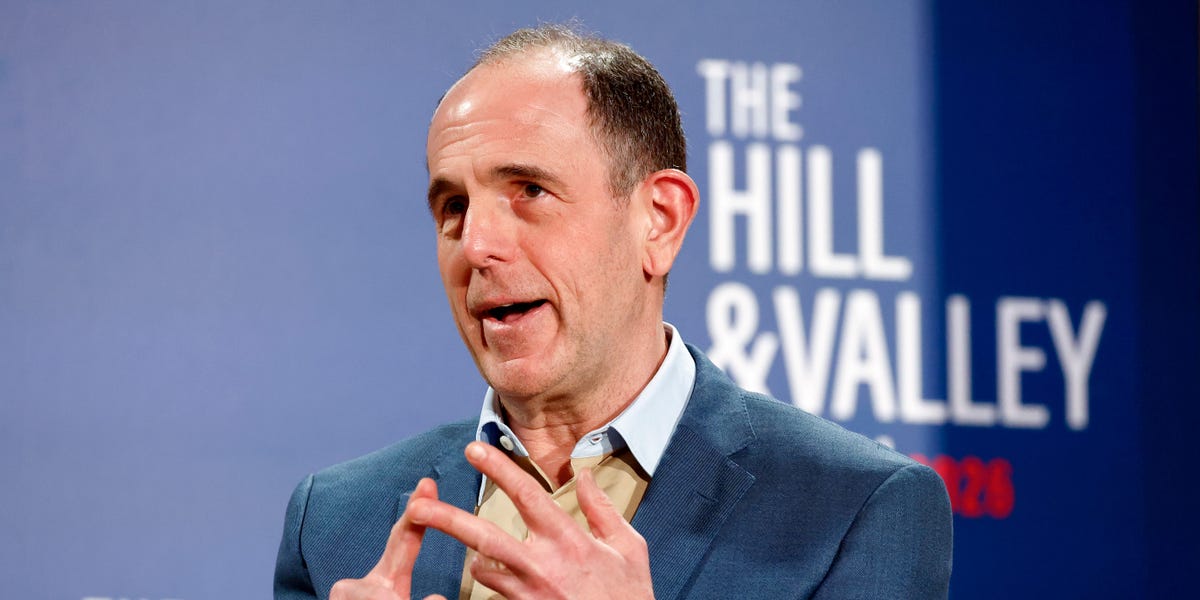
Elite engineers can now bypass bureaucratic layers, potentially expanding operating margins as firms shift toward leaner, AI-integrated development teams.
Continue with
The End of the Middleman
Keith Rabois, a partner at Khosla Ventures, believes the traditional product manager role is facing an existential threat. During a recent appearance on "Lenny's Podcast," Rabois argued that advancements in artificial intelligence are rendering the position unnecessary. He contends that the core responsibilities of a product manager—coordinating between engineers and designers—are now better handled by the developers themselves.
"The product manager role is a symptom of a previous era," Rabois stated. He frames the position as a bureaucratic layer that emerged because engineers were not empowered or expected to communicate directly with customers or understand business requirements. With AI tools now capable of bridging that gap, the need for a dedicated intermediary is fading.
Rethinking Technical Teams
Rabois suggests that the most efficient tech companies will move toward lean teams. In his view, software developers should be capable of handling the entire product lifecycle without a separate manager overseeing the process. This shift could redefine how organizations approach market analysis regarding labor costs and operational efficiency.
His critique points to a broader trend of AI-driven automation within corporate hierarchies. By eliminating the middleman, companies can theoretically reduce friction and accelerate development cycles. Rabois notes that elite engineers already possess the intuition to build what users want, effectively bypassing the need for a product manager to translate requirements.