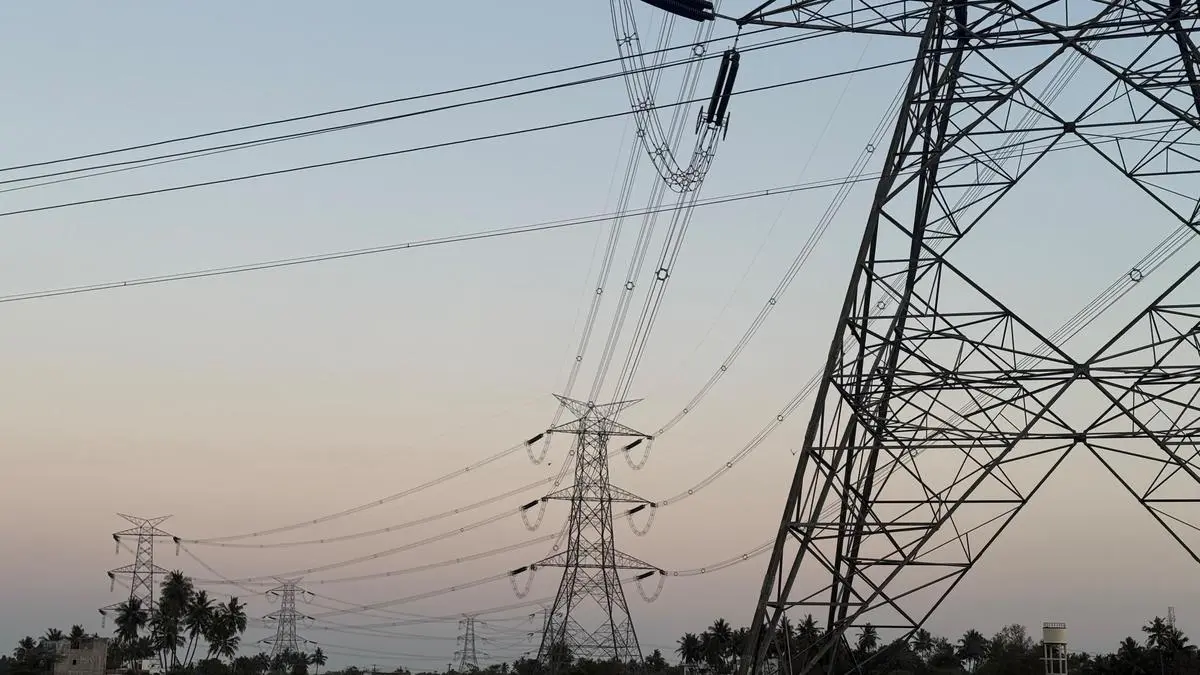
Karnataka’s six-month audit of the Gruha Jyoti scheme identified more than 10 lakh households receiving free electricity who are not registered voters in the state. Chief Minister D K Shivakumar recently said the programme was never meant for “outsiders” and questioned why taxpayer-funded benefits should go to people who do not vote in Karnataka. A final decision on eligibility changes is expected after a Cabinet meeting on June 20, sources said.
The audit covers the scheme that gives free electricity to households consuming up to 200 units a month. It is one of five guarantee programmes the Congress government launched after taking power in 2023. Together, those programmes have become the state’s largest recurring expenditure commitment. Karnataka’s latest Budget put borrowing at ₹1.32 lakh crore, and annual borrowing has continued to climb.
Political analyst Harish Ramaswamy said the controversy highlights flaws in the original design. “The government did not adequately identify beneficiaries or establish clear parameters before rolling out the schemes,” he said. Welfare programmes elsewhere are typically backed by detailed eligibility criteria and beneficiary mapping, he added. Karnataka is now trying to revisit those decisions after seeing the fiscal strain.
Revising eligibility after beneficiaries have grown used to the payments could create dissatisfaction, Ramaswamy said. It could also crowd out spending on other welfare programmes such as old-age and widow pensions.
The voter-based eligibility proposal drew criticism from tax experts. One expert told Businessline that if voter registration was meant to be a condition, it should have been stated at launch. Introducing it now risks creating the perception that the scheme rewards voters rather than serves a broader public purpose, the expert said. Many non-voters – including migrant workers and professionals – contribute to Karnataka’s economy through taxes, consumption and economic activity. Excluding them solely on voter registration raises fairness questions.
Congress spokesperson B.L. Shankar defended the move. “People from other states may come and go. This is not a political decision but an effort to streamline the process and ensure that benefits reach the intended recipients,” he said.
Opposition BJP spokesperson Karunakar Kasare accused the government of trying to dilute its electoral promises. “They were never economically practical. Now the government is trying to find a way out by introducing new terms and conditions,” he said.
Independent political analyst Tanveer Ahmed offered a different view. Every state prioritises its own residents in welfare, he said. “I do not see this as an unusual policy position.”
The debate has widened beyond electricity subsidies. It now touches a larger question: should welfare benefits be tied to residency, voter status, or economic contribution – and can Karnataka’s guarantee model stay politically popular while becoming fiscally sustainable?