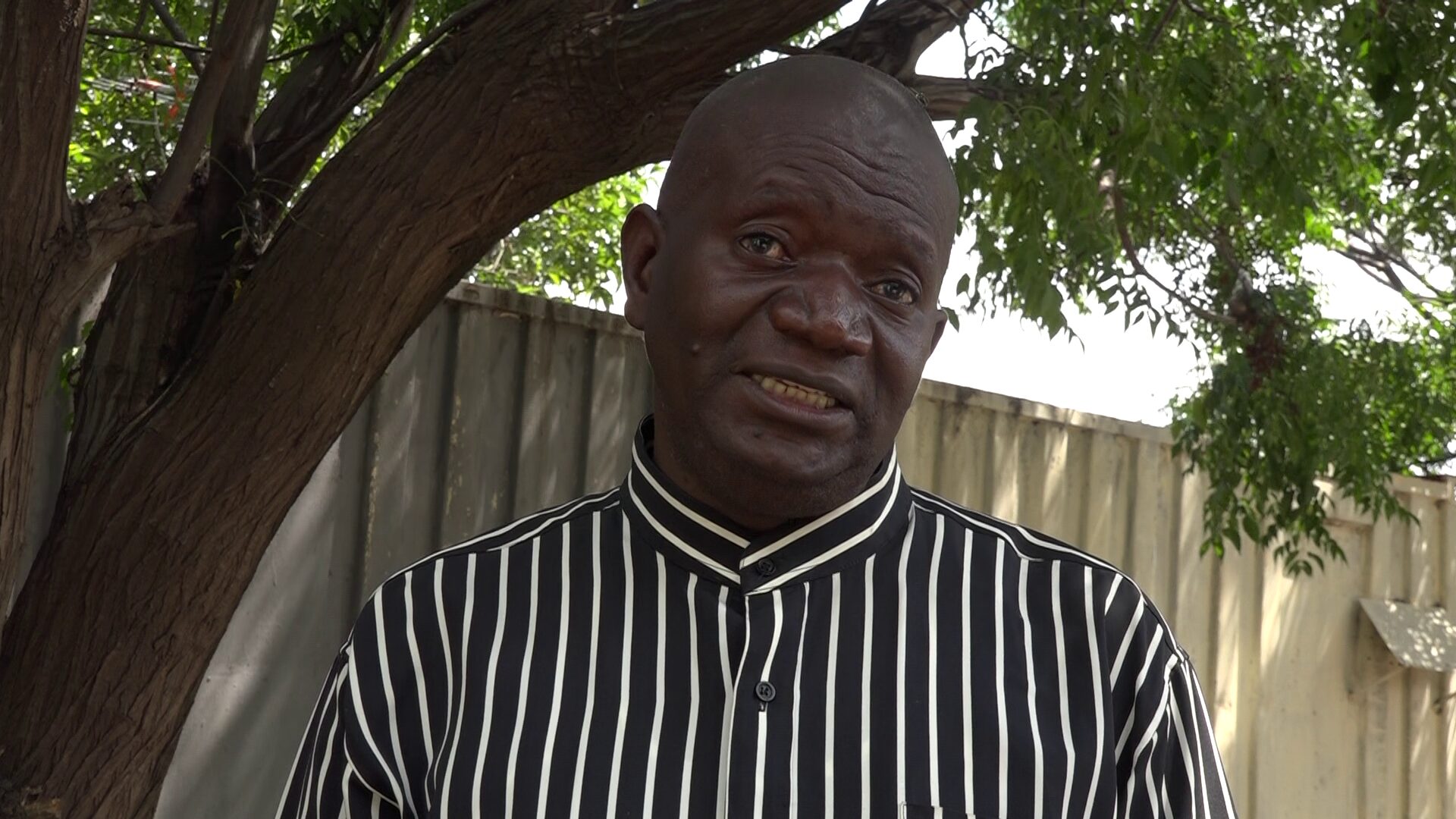
A Kanyama cooperative turns disbelief into enterprise by distributing gains from CDF-funded projects. The next payout will test whether the model can sustain itself.
The Nkabilama Multi-purpose Cooperative in Lusaka's Kanyama Ward 13 has begun distributing gains earned from Constituency Development Fund (CDF) allocations. Members who met the initial announcement with disbelief and hesitation are now seeing cash returns. The cooperative is simultaneously pressing for additional government support.
This is not a routine cash transfer. The distribution represents surplus from income-generating activities funded by the grant, not a simple pass-through of public money. That distinction shapes how the cooperative's model should be evaluated.
The naive interpretation treats any payout as a success. The better market read focuses on reinvestment risk. If the cooperative distributes too much of the surplus, it may starve working capital needed for the next operational cycle. The call for more support hints that the current capital base is insufficient to scale without diluting per-member returns.
The cooperative used CDF allocations to finance revenue-generating projects. The gains paid out are the profits from those activities. This structure suggests the cooperative has developed a functioning capital allocation process, moving from disbelief to enterprise.
Sustainability depends on the underlying business – whether trading, agriculture, or services – and whether those projects generate consistent margins. The source does not detail the specific ventures, so there is no public visibility into the durability of earnings. That lack of disclosure is a risk factor for anyone evaluating whether the model can be replicated.
The next concrete marker is the timing and size of the second distribution. If the cooperative pays out again within six months at a similar per-member amount, the model is repeatable. If the payout shrinks or a cycle is skipped, the first distribution was likely a one-off from the initial capital injection.
Another confirmation signal is the official response from CDF administrators. If allocations to Kanyama Ward 13 increase or the model is replicated in other wards, the cooperative's approach becomes a template. If support remains flat, the cooperative faces a liquidity crunch that could force reduced payouts or a complete halt.
The call for more support could signal that margins are thin and scale is needed to achieve decent unit economics. It could also indicate that the cooperative wants to accelerate growth without diluting returns by expanding the capital base first.
Execution dependency is another risk. The current leadership drove the turnaround from hesitation to enterprise. If that team changes or faces burnout, the cooperative's discipline may erode. The push for more support might also be a sign that the cooperative needs continued capital injections rather than operating as a self-sustaining enterprise.
The next public update from the cooperative or the CDF office will reveal whether the first distribution was a one-off event or the start of a repeatable cycle. For those tracking community-based finance in Zambia, the key question is not whether Kanyama paid out. The question is whether it can pay out again without depleting its capital base. That answer will determine whether other cooperatives should adopt the same model or treat it as a cautionary tale.
For broader context on how local economic catalysts affect market sentiment, see our stock market analysis.
Prepared with AlphaScala research tooling and grounded in primary market data: live prices, fundamentals, SEC filings, hedge-fund holdings, and insider activity. Each story is checked against AlphaScala publishing rules before release. Educational coverage, not personalized advice.