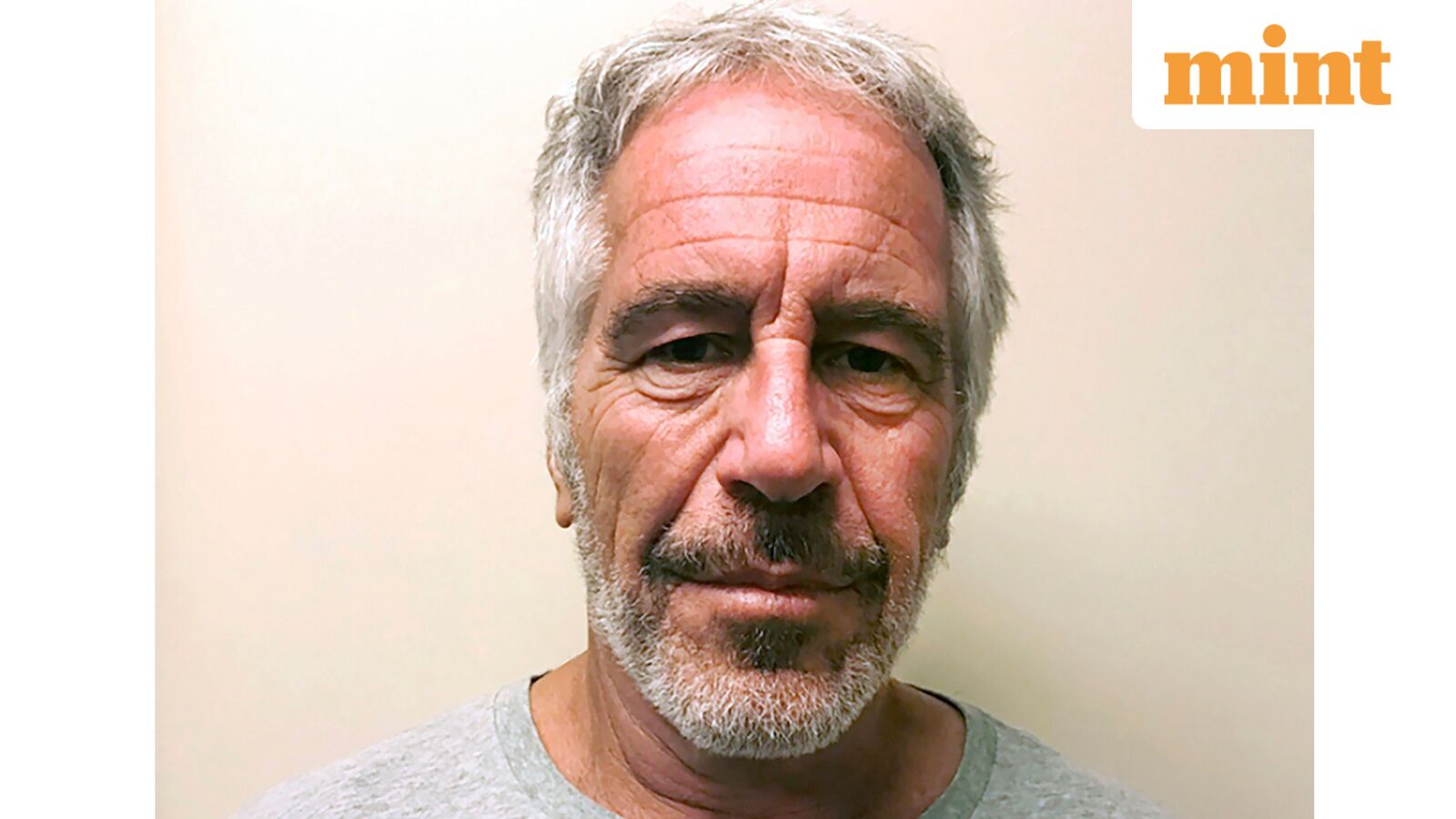
A judge gave the DOJ until July 2 to release unredacted Epstein files or justify every blackout. The ruling covers hidden co-conspirator names in a draft indictment and the 'torture video' email recipient.
A federal judge has told the Justice Department it must release unredacted versions of several Jeffrey Epstein files by July 2 or explain why it is keeping specific information blacked out. US District Judge Emmet Sullivan's ruling on Thursday is the latest legal setback for the department's handling of the records.
The order applies to eight emails where the sender or recipient is hidden, a draft indictment with redacted co-conspirator names, and a 2019 email in which Epstein referred to a "torture video." Acting Attorney General Todd Blanche later suggested the recipient of that email was Sultan Ahmed bin Sulayem, the former CEO of Dubai-based DP World. The DOJ must also release interview notes underlying FBI reports that summarize unverified allegations about President Donald Trump, or explain why those are sealed.
The case was brought in April by Katie Phang, an independent journalist and legal commentator. She argued the DOJ's redactions violate the federal law that requires public release of Epstein files. Sullivan wrote in his 48-page opinion that Blanche "conceded Ms. Phang's merits arguments" by not responding substantively. The judge also rejected the DOJ's argument that Phang should have used the Freedom of Information Act instead, writing that "FOIA does not provide an adequate remedy."
The DOJ had asked Sullivan to pause any favorable ruling for seven days while officials decided whether to appeal. He denied that request.
The department said many redactions protect victim identities, personal details, and privileged legal material. It also said only about half of the roughly 6 million pages collected in the Epstein investigation would eventually be released, citing duplicates and documents unrelated to him. Lawmakers, journalists, and Epstein survivors have continued to press for more complete disclosure since the first tranche of records was released in December.
Prepared with AlphaScala research tooling and grounded in primary market data: live prices, fundamentals, SEC filings, hedge-fund holdings, and insider activity. Each story is checked against AlphaScala publishing rules before release. Educational coverage, not personalized advice.