Stocks● Neutral
Judge Boots Attorneys After Both Sides Submit AI-Hallucinated Citations
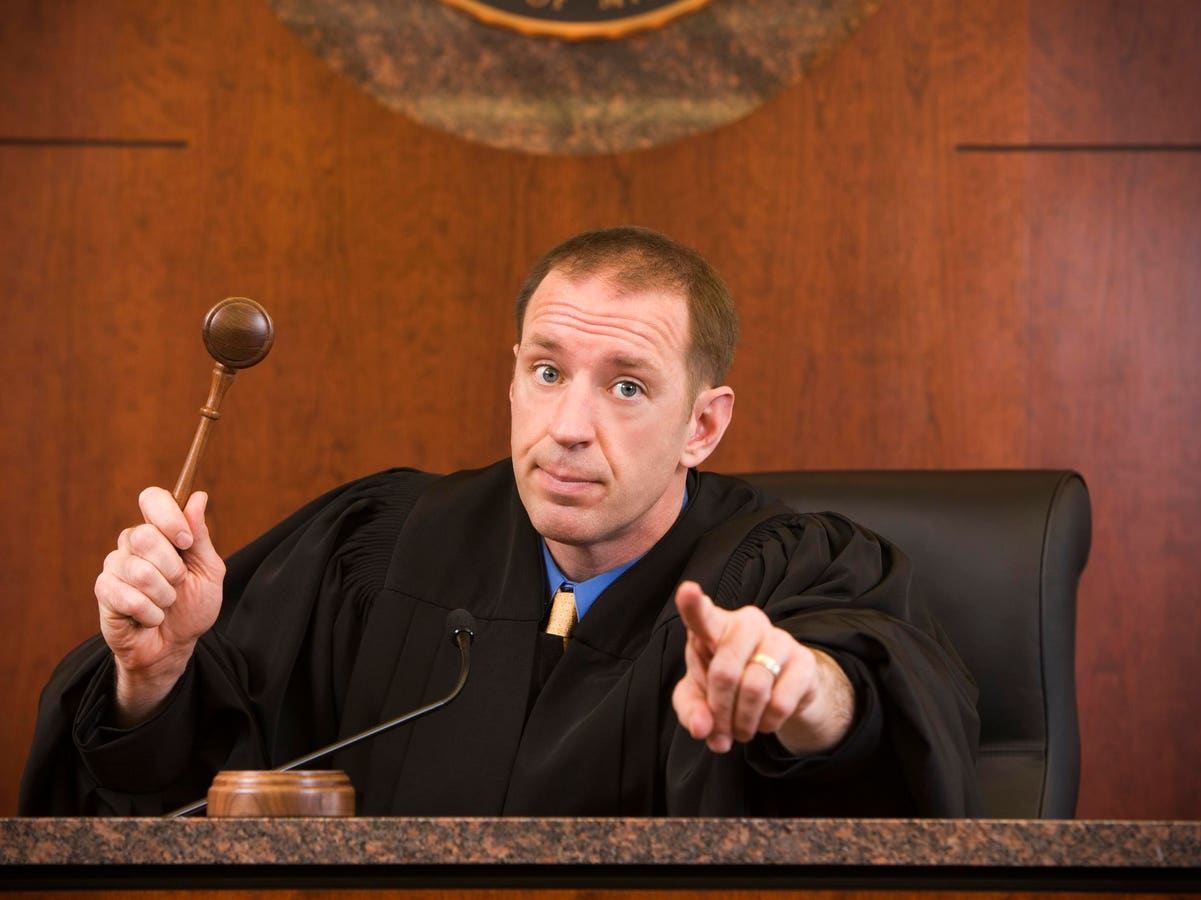
A federal judge in Mississippi removed both legal teams from a civil case after discovering each side filed AI-hallucinated citations. The sanctions order in Withers v. Aberdeen is the first known instance of a court catching both parties relying on fake AI-generated material in the same case.
Continue with
A federal judge in Mississippi kicked both legal teams off a civil case after discovering that attorneys on each side had submitted court filings containing fake citations generated by artificial intelligence. The June 8 sanctions order in Tom Withers III v. City of Aberdeen is the first known instance of a court catching both parties relying on AI hallucinations in the same case, according to the ruling.
The case is stayed to let the plaintiff find new counsel. If the plaintiff cannot, the case will be dismissed.
Judge Roy Percy of the U.S. District Court for the Northern District of Mississippi ordered the removal of all attorneys from the case after reviewing explanations from both sides. The court also imposed additional sanctions, though the order did not detail them.
AI hallucinations occur when large language models like ChatGPT or Gemini generate fabricated legal citations, quotations, or case summaries that look real but do not exist. The problem has become a persistent headache for courts since late 2023, when the first high-profile case – a lawyer submitting fake cases generated by ChatGPT – drew national attention.
Since then, dozens of similar incidents have surfaced. Most resulted in mild rebukes or modest fines. Judges have generally accepted arguments that attorneys were unfamiliar with the technology. That leniency is fading.
In this case, the court found that both sides had submitted filings containing AI-hallucinated material. Neither side caught the errors on their own. Neither side flagged the other's mistakes. The court discovered the problem during its own review.
The ruling did not specify how many fake citations each side filed or which parts of the record were tainted. The court said it weighed the nature and materiality of the hallucinations before deciding on consequences.
Legal ethics experts said the decision to remove both legal teams – rather than issue fines or refer them to bar disciplinary boards – signals a shift in how courts view AI-related misconduct.