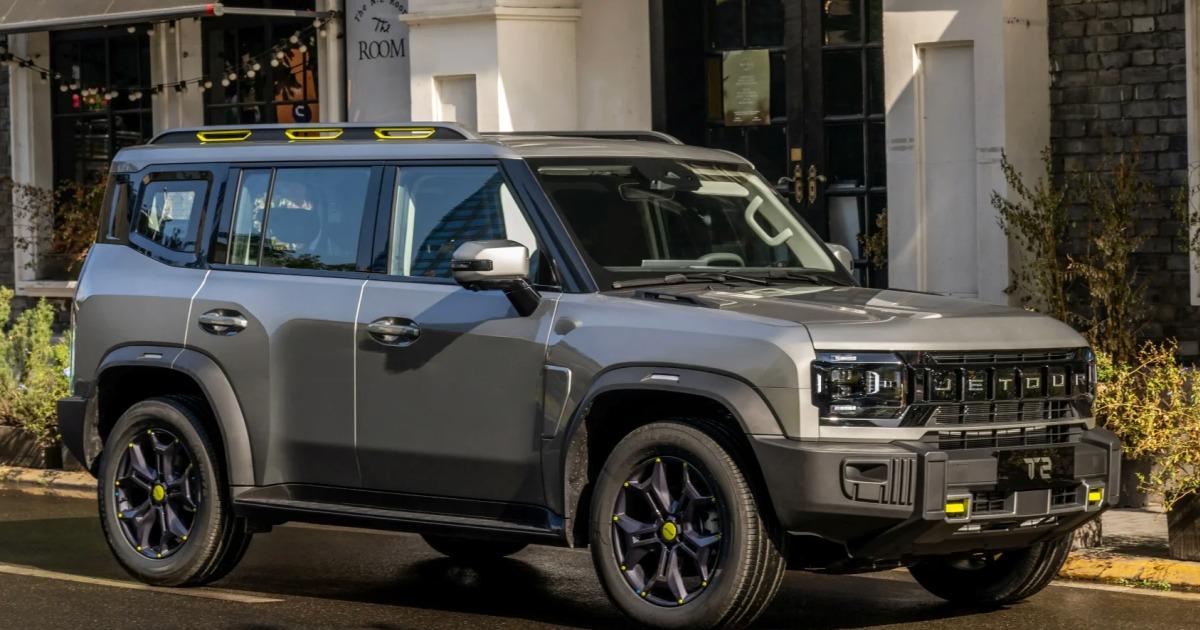
First model, a rebadged Chery Jetour T2, priced at ₹35 lakh. Tata and Mahindra control 65% of the EV market as new capacity arrives.
JSW Motors, the automotive arm of the steel-to-paints JSW Group, plans to roll out 15 new-energy vehicles in India over four years. The first model, a rebadged Jetour T2 from China's Chery Motors, will be priced at ₹35 lakh and above. Deliveries are scheduled to start by the end of December 2026 or the first half of January 2027.
CEO Ranjan Nayak told Business Standard that the brand will be unveiled on Diwali. Bookings open in November. The company's assembly plant in Sambhajinagar, Maharashtra, will have an initial capacity of 500,000 cars per year, scalable to 1 million. It is scheduled to be ready by November-December. JSW aims to launch a new model roughly every three months, with two to three more models in the first year alone.
The Indian new-energy vehicle market is dominated by Tata Motors and Mahindra & Mahindra, which together hold over 65% of the battery-electric segment. Sales reached 165,000 units in 2025. JSW's entry targets the premium end of that market. The first model at ₹35 lakh plus competes with luxury EVs. A second model will slot in at ₹18-20 lakh.
Nayak said the market is shifting toward premiumisation as GDP rises. "The number one player in the country sells at an average of ₹7-8 lakh and this will shift rapidly," he said. JSW wants to cover multiple price bands: ₹10-12 lakh, ₹15 lakh, ₹25 lakh, ₹30 lakh plus, across multiple powertrains.
The technology strategy relies on tie-ups with Chinese manufacturers. JSW already holds 51% of JSW MG Motors, a joint venture with SAIC Motor. For the new brand, it partnered with Chery Motors. The goal is to localise as much of the technology as possible rather than build from scratch. The company has also secured land for a supplier ecosystem.
For Tata Motors and Mahindra, the immediate competitive pressure comes at the premium end, where margins are higher and customer loyalty is less entrenched. JSW's ability to scale to 500,000 units from the start means significant new capacity entering a market that sold 165,000 EVs last year. Incumbents will need to defend that segment faster than they did for mass-market EVs. Nayak said the Diwali brand reveal will mark the start of the company's push into India's passenger car market.
Prepared with AlphaScala research tooling and grounded in primary market data: live prices, fundamentals, SEC filings, hedge-fund holdings, and insider activity. Each story is checked against AlphaScala publishing rules before release. Educational coverage, not personalized advice.