JioStar sent back to Delhi HC by SC in TRAI tariff challenge
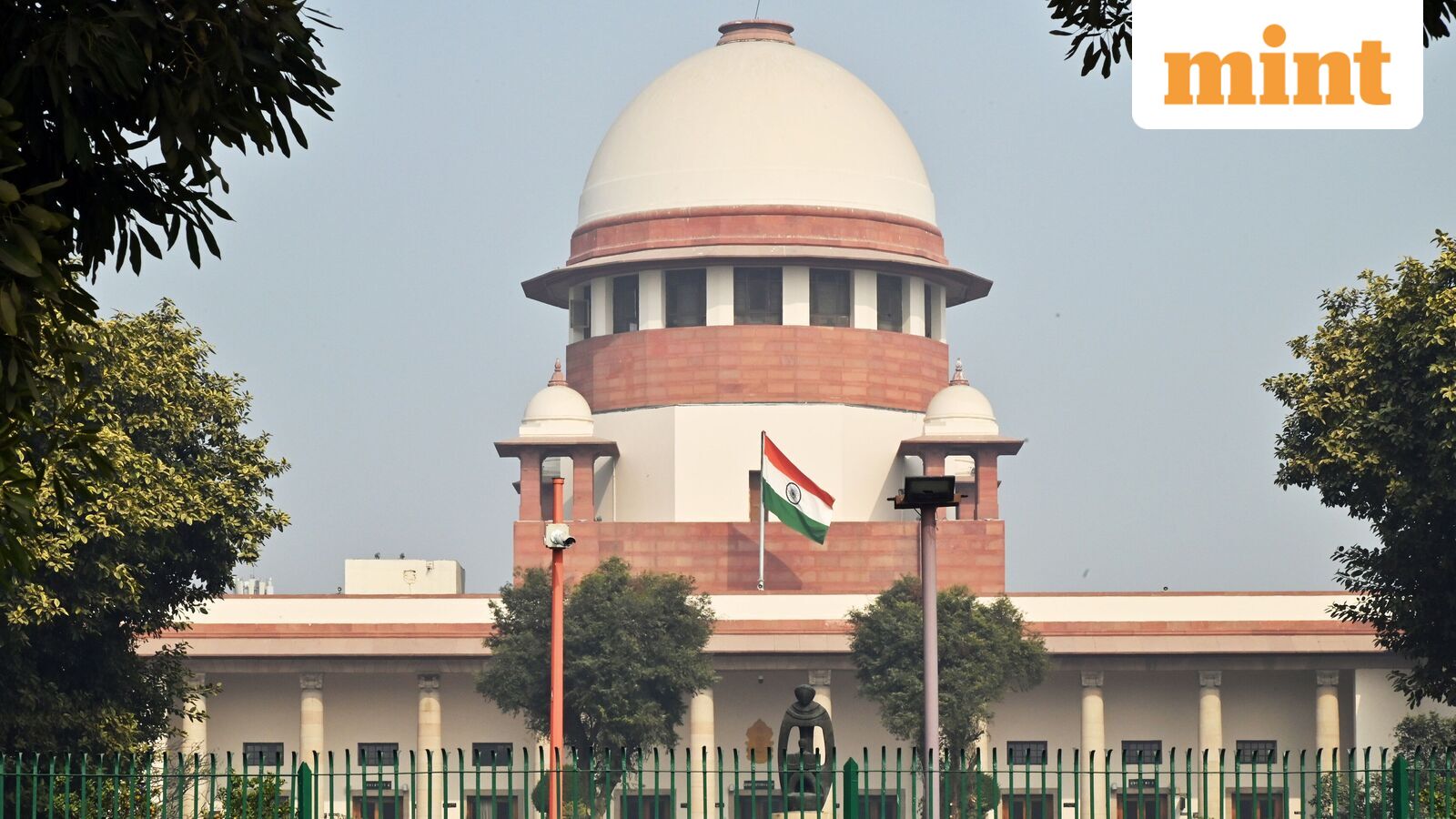
JioStar must return to the Delhi High Court after the Supreme Court refused to take over its challenge to TRAI's TV pricing rules. Core arguments: tariff orders vs regulations, subscriber definition for commercial versus residential use.
JioStar India Pvt Ltd must return to the Delhi High Court with its challenge to the Telecom Regulatory Authority of India's television channel pricing rules, the Supreme Court ruled Tuesday.
A bench led by Chief Justice Surya Kant disposed of the broadcaster's transfer petition and advised it to seek clarification from the Delhi High Court instead. Justice Joymalya Bagchi and Justice V Mohana were also on the bench. Karanjawala and Co represented JioStar.
The core dispute dates to 2014 and 2015, when JioStar first challenged TRAI's regulations and tariff orders in the Delhi High Court. Those petitions sat idle while related issues played out before the Telecom Disputes Settlement and Appellate Tribunal and then the Supreme Court. The high court later told JioStar to amend its petitions and imposed costs, which the broadcaster contested.
Senior advocate Mukul Rohatgi argued for JioStar that the regulatory framework should be treated as a single scheme. TRAI regulations amount to delegated legislation, he said, which falls under high court jurisdiction. Tariff orders are administrative measures that can be challenged before TDSAT. "A tariff order and a regulation were issued simultaneously. One was in the exercise of legislative power and the other in the exercise of administrative power," he told the bench, according to a PTI report.
Rohatgi also took aim at the framework's definition of "subscriber." He said the current pricing structure treated commercial establishments like hotels the same as residential households, despite vastly different use of television services. "If a hotel is charging ₹50,000 per room, there has to be a distinction between commercial exploitation of a signal and a residential household. You cannot have the same tariff. It is like comparing apples with oranges," he said.
The Supreme Court declined to take over the matter. Chief Justice Surya Kant said it would be better for JioStar to go back to the Delhi High Court. "In light of paragraphs 4 and 5 of the interim order, move an application before the high court stating that you do not wish to amend your petition," the PTI report quoted him as saying.
Rohatgi repeatedly questioned the logic of the costs the high court had imposed. "Why costs?" he asked the Supreme Court bench, arguing the order suggested the high court had already formed a view that the petitions would otherwise fail.
He told the bench JioStar would withdraw the transfer petition and file an appropriate application before the Delhi High Court. "I do not require any amendment. I do not want to amend. I will withdraw this petition and move an appropriate application before the learned judge. I do not propose to abandon my case," he said.
Drafted by a large language model from the source reporting linked above, then screened by automated publishing checks. It is not read by a journalist before publication. Some articles cite our Alpha Score. Verify prices and figures against the original source. Educational coverage, not personalized advice.