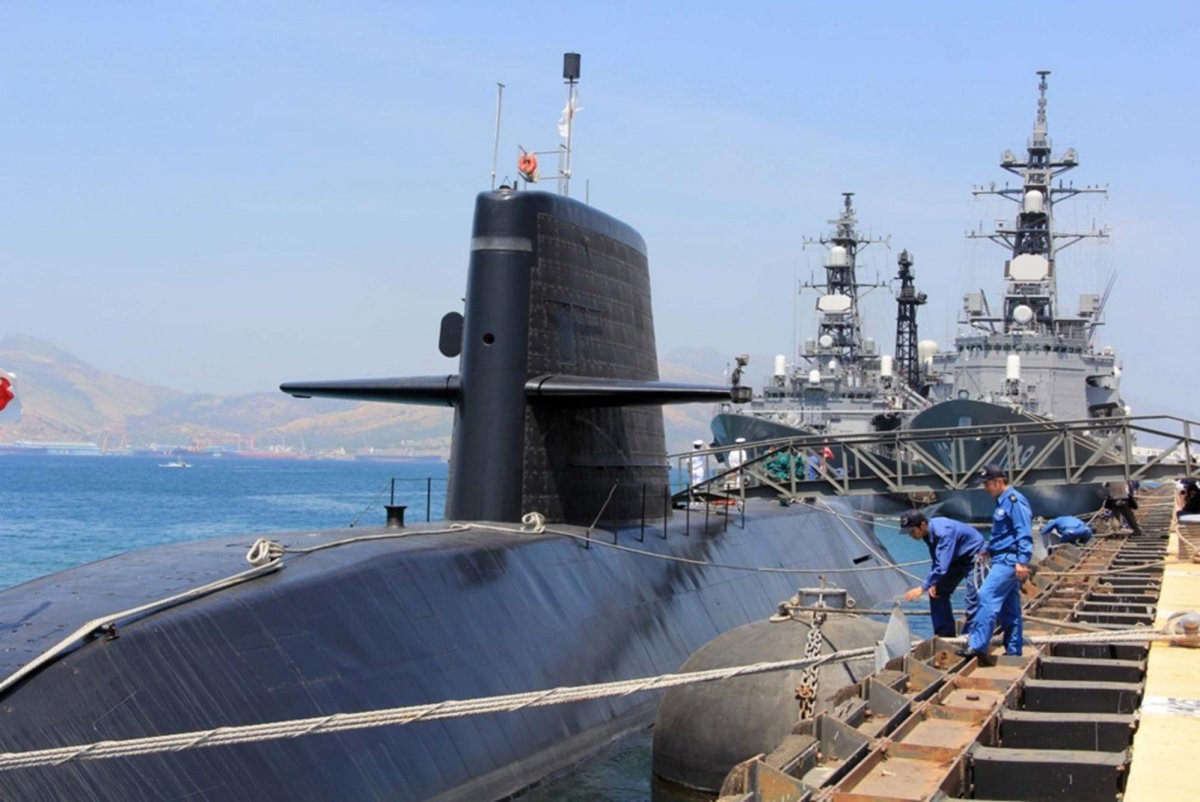
Japan Naval Asset Transfers Signal Shift in Regional Security Infrastructure

Japan's move to transfer decommissioned naval vessels to Southeast Asia signals a major shift in regional security policy, with implications for defense industrial chains and maritime interoperability.
Alpha Score of 45 reflects weak overall profile with strong momentum, poor value, poor quality, weak sentiment.
Alpha Score of 47 reflects weak overall profile with moderate momentum, poor value, moderate quality. Based on 3 of 4 signals — score is capped at 90 until remaining data ingests.
Alpha Score of 68 reflects moderate overall profile with strong momentum, strong value, moderate quality, moderate sentiment.
Alpha Score of 41 reflects weak overall profile with strong momentum, weak value, poor quality. Based on 3 of 4 signals — score is capped at 90 until remaining data ingests.
Japan is moving toward a policy of transferring decommissioned naval vessels, including destroyers and submarines, to regional partners in Southeast Asia. This potential shift in defense procurement and maritime cooperation targets the Philippines and Indonesia as primary recipients. The strategy represents a departure from Japan's long-standing constraints on the export of lethal military hardware, reflecting a broader effort to bolster maritime domain awareness and defensive capabilities among nations operating in contested waters.
Strategic Realignment of Maritime Assets
The decision to repurpose retired destroyers and submarines suggests that Tokyo intends to leverage its existing industrial base to influence regional security dynamics. By providing high-end naval platforms to Southeast Asian nations, Japan is attempting to fill capability gaps that have historically been addressed by other global powers. This move is not merely a transfer of hardware; it is an integration of maintenance, training, and operational interoperability that binds the recipient nations closer to the Japanese maritime security framework.
For the recipient nations, the acquisition of these vessels offers an immediate upgrade to their patrol and deterrence capabilities without the extended lead times associated with new construction. The inclusion of submarines in the potential transfer list is particularly notable, as these assets require specialized infrastructure and long-term technical support. This implies that the transfer will necessitate a multi-year commitment from Japan to provide the necessary logistical and training support to ensure these vessels remain operational.
Industrial and Defense Sector Read-through
The defense sector is reacting to the realization that Japan is becoming an active participant in the regional arms supply chain. Companies involved in the maintenance and refitting of these vessels may see increased demand for technical services as these ships transition to new operators. While the vessels are decommissioned from the Japan Maritime Self-Defense Force, the lifecycle management of such complex systems remains a significant industrial undertaking.
AlphaScala data currently reflects a mixed outlook for industrial and technology-adjacent firms, with ON stock page holding an Alpha Score of 45/100 and DD stock page at 41/100. These scores highlight the broader volatility within sectors that supply the advanced electronics and materials required for modern naval defense systems. As regional defense spending shifts toward maritime security, the ability of these companies to secure contracts within the evolving Japanese defense export ecosystem will be a critical performance indicator.
The Next Marker for Regional Security
The next concrete marker for this policy shift will be the formalization of bilateral agreements that specify the timeline and scope of the transfers. Market participants should monitor upcoming defense cooperation summits between Tokyo, Manila, and Jakarta for details on the financing models for these transfers. If these agreements include provisions for joint maintenance or shared intelligence infrastructure, it will signal a deeper, more permanent shift in the regional security architecture. The transition from policy discussion to physical transfer will serve as the primary indicator of how effectively Japan can execute its new role as a regional maritime security provider. This development remains a key component of broader stock market analysis regarding how geopolitical shifts influence long-term capital allocation in the defense and industrial sectors.
AI-drafted from named sources and checked against AlphaScala publishing rules before release. Direct quotes must match source text, low-information tables are removed, and thinner or higher-risk stories can be held for manual review.