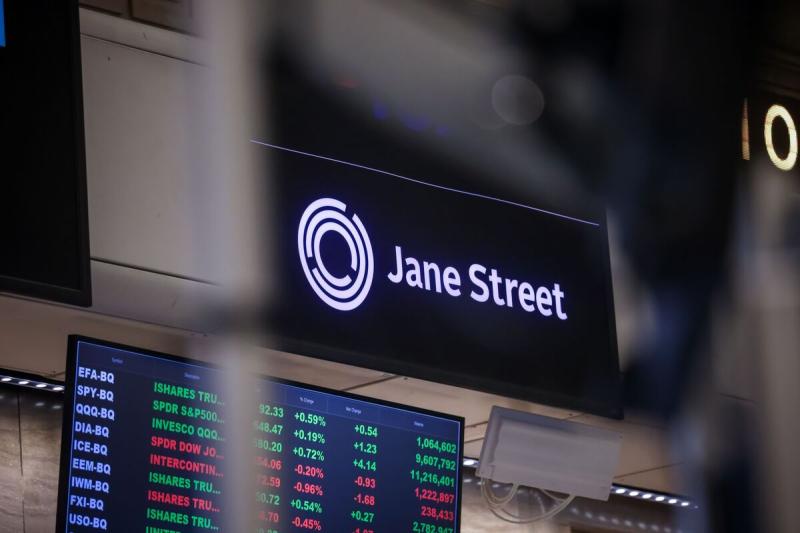
Terraform's bankruptcy administrator sued Jane Street over alleged insider access to a chat before $40B UST depeg. The case tests market-maker liability.
The bankruptcy administrator liquidating Terraform Labs has filed a lawsuit against Jane Street that accuses the trading firm of using a private insider chat channel to trade ahead of the May 2022 UST depeg. The complaint, made public this week, alleges that Jane Street accessed non-public information through that channel and executed trades that worsened the run on the stablecoin. The collapse erased roughly $40 billion in combined value from UST and LUNA and triggered a cascade of failures across crypto lending and trading platforms.
According to the administrator, Jane Street was given access to a private chat that contained internal Terraform assessments of UST's stability. The filing says this access began before the depeg and continued through the critical hours of May 7–9, 2022. The suit argues that Jane Street used the information to adjust its trading positions in UST and LUNA, accelerating the death spiral that ultimately broke the peg. The administrator is seeking to recover profits Jane Street earned on those trades, plus damages for the harm to other creditors.
Jane Street is one of the largest market makers in the world, active in equities, ETFs, fixed income, and crypto. The firm has long been a key liquidity provider for Terraform's ecosystem. This lawsuit puts a new legal spotlight on the information flows between crypto projects and their trading partners. If the allegations are proven, they would show that Jane Street exploited a privileged position at the expense of other market participants. The case also raises the question of whether a private chat with project insiders constitutes material non-public information under existing law, even for a token that regulators have not classified as a security.
The lawsuit places the critical period in the days just before and during the depeg. On May 7, UST began to drift below its $1 peg. By May 8, the stablecoin had dropped to $0.95. The filing claims that Jane Street, through its access to the private channel, learned that Terraform's mechanisms to restore the peg were failing. The firm allegedly sold UST and bought LUNA with the knowledge that the system was about to break. On May 9, UST fell to $0.10, and LUNA collapsed from $80 to near zero. The suit asserts that Jane Street's trades were not merely hedging but reflected an insider view of the outcome.
The risk of this lawsuit upending Jane Street's operations would diminish if the court grants a motion to dismiss early in the case. Jane Street may argue that the chat conversations were public or that the information was not material because UST was already under pressure. A quick settlement that acknowledges no wrongdoing could also take the edge off the legal overhang. For the broader market, a dismissal would signal that such insider channel allegations are hard to prove in crypto.
If the case proceeds to discovery, Jane Street will have to produce internal messages and trade logs. Any evidence that the chat was exclusive to Jane Street or that the information was used systematically could expand the scope of the suit. Other trading partners of Terraform may also be named. A finding that Jane Street operated an insider-trading system would damage trust in market makers and invite regulatory enforcement from the SEC or CFTC. The cost of compliance and legal defense could run into tens of millions of dollars, even if the firm ultimately prevails.
The next concrete date is the response deadline for Jane Street, expected within 30 days. The court will then set a schedule for initial motions. For traders watching this story, the key sign will be whether Jane Street files a motion to dismiss or signals a desire to settle. If the case moves into discovery, the market will begin to price in legal risk for other market makers that served Terraform. The AlphaScala risk event watch classification flags this as a high-impact legal event with potential second-order effects on crypto liquidity market structure.
Prepared with AlphaScala research tooling and grounded in primary market data: live prices, fundamentals, SEC filings, hedge-fund holdings, and insider activity. Each story is checked against AlphaScala publishing rules before release. Educational coverage, not personalized advice.