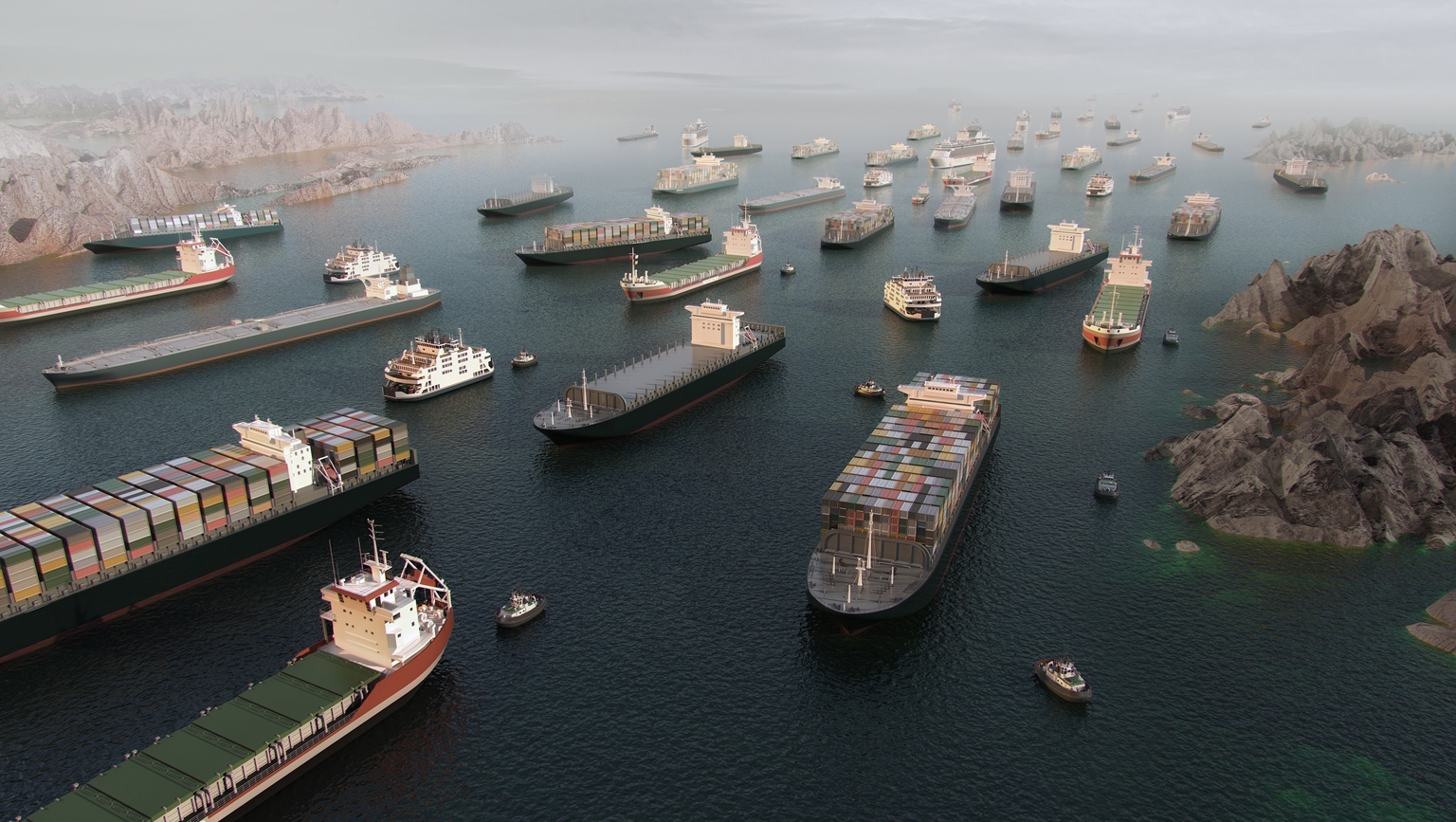
The Strait of Hormuz is back in focus after a U.S.-Iran ceasefire collapsed this week. Oil vessels have scaled back transits through the key waterway. Brent crude ticked higher. The iShares Global Energy ETF (IXC) barely moved.
That gap between crude and equities is the reason the Seeking Alpha analyst covering the fund downgraded it this week. The analyst wrote that higher oil prices normally lift the entire sector. When they do not, something else is driving the equity side.
IXC holds about 50 stocks across integrated majors, refiners, and midstream operators. ExxonMobil and Chevron together account for roughly a quarter of the fund. The rest is spread across European majors like Shell and TotalEnergies, plus Canadian and Asian producers. Most of these companies are already priced for a world where oil stays above $70. A spike to $80 or $85 from a supply disruption does not change the earnings math much when the market is already discounting $75 oil for 2026.
The factor that does change the math is demand. Chinese crude imports slipped in the latest month. European manufacturing PMIs are still in contraction territory. U.S. gasoline demand, adjusted for seasonality, has been running below last year's pace. A supply scare in the Strait of Hormuz adds a risk premium to the front of the futures curve. It does not fix the demand picture that equity analysts are focused on.
Positioning also matters. Energy was one of the most crowded longs in institutional portfolios coming into the year, according to the latest Bank of America fund manager survey. When a sector is already overweight, a bullish catalyst must be bigger than expected to push prices higher. A ceasefire collapse that was widely telegraphed does not qualify. The talks had been stalling for weeks.
Some of IXC's individual holdings face company-specific headwinds. European majors are dealing with weaker refining margins and higher carbon-compliance costs. U.S. independents are seeing production growth slow as the Permian Basin matures. The ETF's exposure to these names means the fund absorbs the sector's structural drags, not just the crude price signal.
A sustained closure of the Strait of Hormuz would be a different story. It would cut off roughly 20% of global oil flows, a scenario discussed in AlphaScala's crude oil profile. The current situation is more noise than blockade. Tanker traffic has slowed. It has not stopped. Insurance premiums have risen. No major shipping line has suspended operations.
The risk for IXC holders is that the equity market has already priced in a modest disruption premium. The history of U.S.-Iran tensions suggests periodic flare-ups followed by quiet diplomacy. If the situation de-escalates, crude could give back the gains. Energy stocks would have no reason to hold the line.
The disconnect between crude and equities suggests that oil stocks are not a direct play on the headline risk premium, the analyst concluded. They are a bet on demand, margins, and capital returns. None of those have improved this week.