Ireland's CPI Holds at 3.4%, Services Keep Heat on ECB
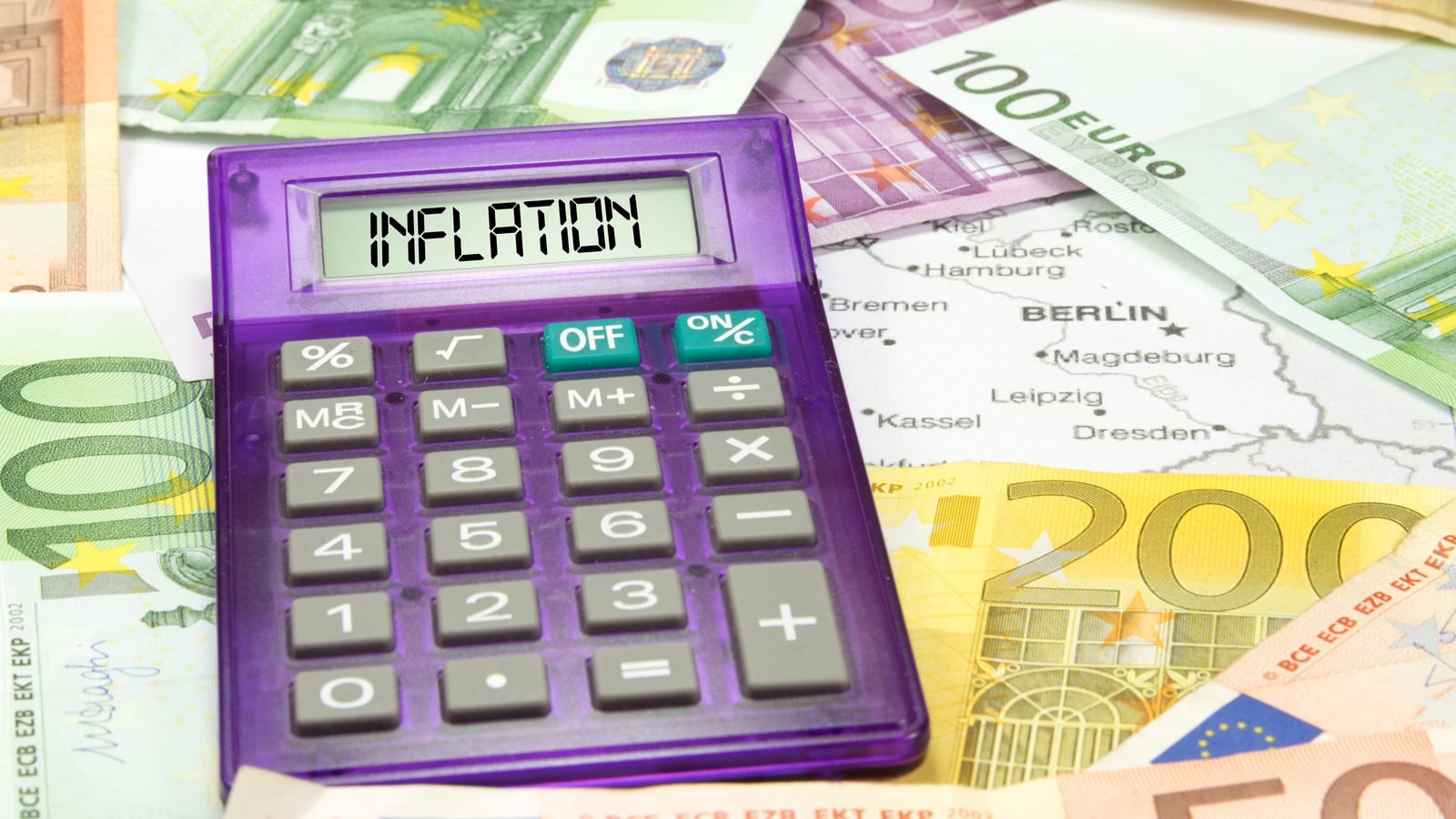
Sticky services inflation at 3.2% and an 8.1% annual electricity rise leave Ireland's inflation well above the ECB's 2% target, with winter energy risks ahead.
Alpha Score of 67 reflects moderate overall profile with strong momentum, strong value, weak quality, moderate sentiment.
Irish annual consumer price inflation held at 3.4% in July, matching June's pace. A 3.7% surge in monthly electricity costs offset deflation in clothing and transport, the Central Statistics Office said.
Consumer prices rose 0.1% on the month. Excluding energy and unprocessed food, the core rate eased to 3.2% from 3.3% in June, still nearly double the European Central Bank’s 2% target.
Beneath the steady headline, components diverged. Services inflation, a key input for ECB rate decisions, remained elevated. Education costs led the annual increases, rising 8.9%. Housing, water, electricity, gas and other fuels climbed 7.7%. Insurance and financial services added 5.5%. Clothing and footwear, despite an 8.5% annual jump, fell 5.1% on the month. Transport dropped 0.9% on the month.
For the first time since December 2021, no CSO category recorded an overall annual price decline, said Edel Flannery, senior statistician.
The inflation print lands as the ECB weighs its next move. The central bank has held rates at 4.25% since June. Euro area growth has weakened, leaving markets roughly split on a September cut. Ireland’s services reading complicates that calculus; the ECB has flagged domestic price pressures as a key variable in its decisions.
Electricity costs were the standout monthly driver. They rose 3.7% in July, pushing the annual rate to 8.1%, the highest since late 2023. Kate English, chief economist at Deloitte Ireland, said energy price uncertainty will be a key feature for Ireland and Europe this winter.
“As developments continue in the Gulf region and heat waves persist in Europe, energy price uncertainty will be a key feature for Ireland and Europe this winter,” English said. “Gas reserves are also still lower than their average rate for this time of year.”
She also pointed to food prices as a risk. Higher fertiliser costs and the impact of the heatwave on crop yields in Ireland and key trading partners are not yet fully reflected in the market.
The CSO also published average prices for staple goods. A pound of butter cost 55 cents less than a year ago. A 2.5kg bag of potatoes, two litres of full-fat milk, and Irish cheddar per kilogram all fell by 9 cents. Sirloin steak slipped 5 cents per kilogram. An 800g loaf of white sliced pan was unchanged.
Diesel averaged €1.76 per litre in July, up 6 cents from July 2025. Petrol rose 5 cents to €1.77.
Flannery noted the July prices were collected in mid-July and may not reflect more recent increases in the cost of diesel, petrol and home heating oil resulting from the ongoing situation in the Middle East.
Drafted by a large language model from the source reporting linked above, then screened by automated publishing checks. It is not read by a journalist before publication. Some articles cite our Alpha Score. Verify prices and figures against the original source. Educational coverage, not personalized advice.