Iraq's 8M-BPD Target Opens Door for Western Oil Majors
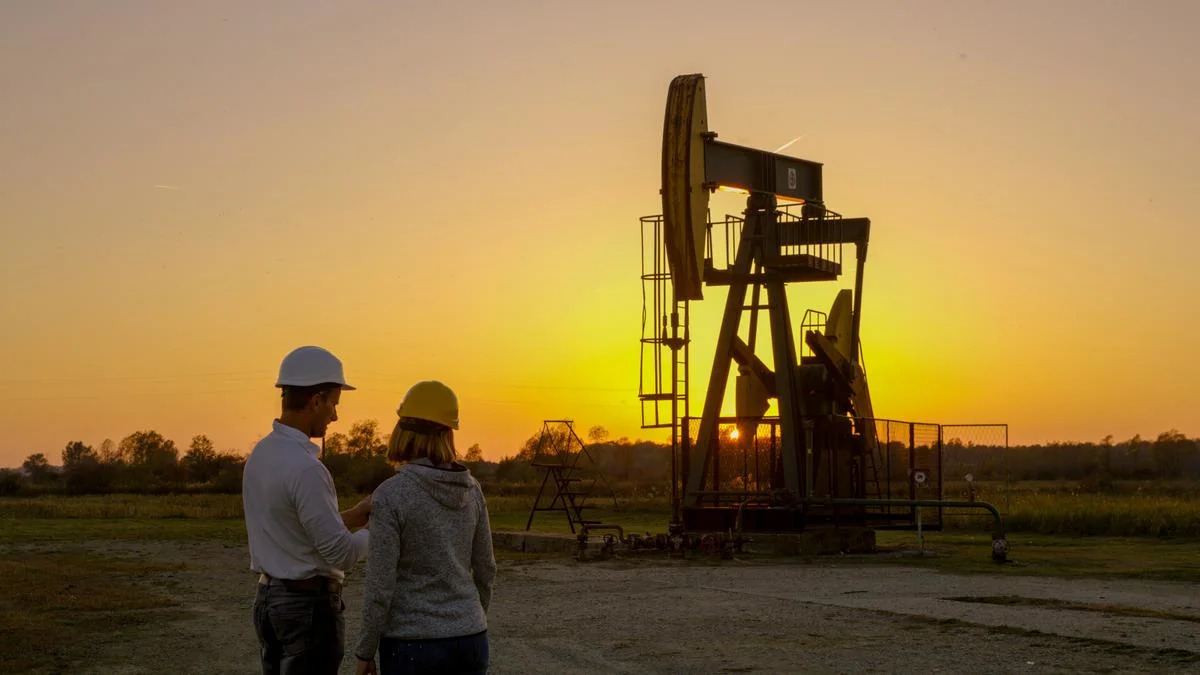
Baghdad wants to double output to 8M bpd in six years. Chevron, ConocoPhillips and ExxonMobil are circling fields from West Qurna to Majnoon. The politics and contract terms will decide who wins.
Iraq wants out of Saudi Arabia's shadow. The country that helped found OPEC at the 1960 Baghdad Conference sent a delegation to Riyadh this year seeking a higher output quota, warning it could follow the UAE's path and leave the cartel if the ceiling doesn't move.
Baghdad's target is not incremental. It wants to reach 8 million to 10 million barrels per day within six years – more than double the 4 million bpd it pumped before the Iran-Iraq war pinched Strait of Hormuz flows. That would put it in range of Saudi Arabia's 12 million bpd capacity. The plan requires capital, technical expertise, and a stable security environment, none of which Iraq has consistently delivered.
Chevron is the farthest along. The company signed memorandums of understanding for the West Qurna 2 and Nassiriya fields. West Qurna 2 currently produces 460,000 bpd, roughly 10% of Iraq's total output and 0.5% of global supply. Chevron wants to push that to 750,000–800,000 bpd after taking operational control. The field holds an estimated 13 billion barrels of recoverable resources. Nassiriya, smaller today, carries significant exploration upside; Iraq targets 600,000 bpd from the project within seven years of construction start.
Chevron is also studying a pipeline bypassing the Strait of Hormuz, a chokepoint that threatens every barrel Iraq ships. The company's CVX stock page shows an Alpha Score of 66, Moderate, consistent with a solid income-and-growth profile in the energy sector.
ConocoPhillips is a newer entrant. It agreed to buy a 42% stake in BP Energy Company of Kirkuk, gaining exposure to four large northern Iraq fields already in production. CEO Ryan Lance called it a "unique redevelopment opportunity" in the deal announcement – access to material, high-quality resource with a large existing production base. Iraq estimates more than 3 billion barrels of recoverable oil equivalent across those fields, plus exploration upside.
The company is also part of a consortium that could lead development of the Akkas gas field, which holds an estimated 5.6 trillion cubic feet of gas. Security and infrastructure constraints have stalled that project for years. ConocoPhillips' COP stock page carries an Alpha Score of 63, Moderate.
ExxonMobil has a more complicated history. It was among the first U.S. majors to enter Iraq after the 2003 invasion but exited West Qurna 1 in 2023, transferring operations to PetroChina after poor returns. Last year it signed an agreement to develop the Majnoon field, one of the world's largest with an estimated 38 billion barrels of oil in place. The field has never approached full production. A binding commercial agreement would mark a real return.
Each deal carries execution risk. Iraq's legal framework for international oil contracts has been unstable. Past security flare-ups have spooked operators. And the OPEC quota question – whether the cartel accommodates Iraq's ambition or forces a confrontation – remains unresolved before the next ministerial meeting.
If Baghdad delivers even half its target, the majors involved would add meaningful production at a time when the Permian Basin is showing signs of maturity and the global industry faces pressure to replace depleting reserves. Iraq's ambition and the majors' appetite both depend on terms that make the math work – and on a political environment that has rarely cooperated. The delegation to Riyadh was a start. The real test comes when the contract terms hit the table.
Drafted by a large language model from the source reporting linked above, then screened by automated publishing checks. It is not read by a journalist before publication. Some articles cite our Alpha Score. Verify prices and figures against the original source. Educational coverage, not personalized advice.