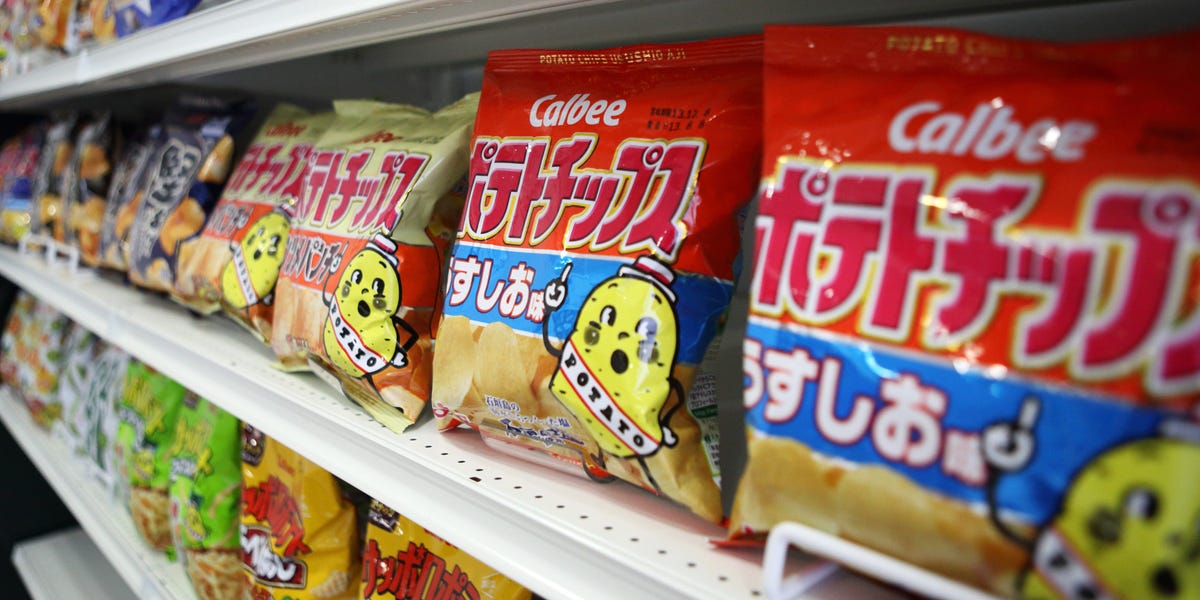
Naphtha prices have surged as the war in Iran chokes off exports of the light distillate. The move is now filtering into an unexpected corner of consumer goods: the colored ink on snack bags. Japan's Calbee, a major snack producer, is facing higher packaging costs because naphtha is a critical feedstock for the solvents and resins used in printing inks.
The simple read is that oil supply shocks raise fuel prices. The better market read traces the specific petrochemical chain from naphtha to flexible packaging. Naphtha is a light distillate from crude oil refining, primarily a feedstock for ethylene and propylene. It is also essential for industrial solvents and resins. Iran is a significant exporter of naphtha, and the conflict has curtailed supply. This is not just a fuel story; it is a petrochemical feedstock story that travels all the way to the supermarket shelf.
Naphtha's Journey from Refinery to Snack Bag
The chain from crude to crisp packet is direct:
- Naphtha is a key feedstock for producing solvents and resins.
- Those solvents and resins are essential binders and carriers in printing inks.
- Printing inks coat the flexible packaging used for snack bags, providing branding and barrier properties.
- Higher ink costs raise packaging expenses for food producers like Calbee.
Calbee, known for its shrimp chips and potato snacks, uses vibrant, multi-color packaging that relies on these petrochemical-derived inks. When naphtha costs rise, ink manufacturers raise prices, and packaging converters pass that on to food companies. The company has not yet disclosed the exact cost impact. The direction is clear. The squeeze arrives just as global food producers are already navigating elevated agricultural commodity and energy costs.
Calbee's Margin Equation and the Ink Cost Link
Calbee operates in a competitive snack market where price increases can dent sales volumes. The company may attempt to absorb the initial cost. Sustained naphtha elevation would force a choice: raise product prices, shrink package sizes, or reformulate packaging with less ink or alternative materials. Each option carries risk. Investors in Japanese consumer staples are now asking whether this input-cost shock will compress margins in the coming quarters.
The broader commodities complex has seen crude oil benchmarks swing on Middle East supply fears. Naphtha is particularly sensitive because it lacks the strategic reserve buffers that exist for crude. A prolonged disruption would not only hit Calbee. Any packaged-food company using solvent-based inks on flexible packaging could see a similar cost headwind. The difference for Calbee is its high reliance on eye-catching packaging as a brand differentiator in Japan's crowded snack aisles.
Iran Supply Risk and the Next Catalyst for Naphtha
The naphtha market is tight because Iran's exports have been curtailed by both sanctions and war-related infrastructure damage. Alternative suppliers like Qatar and the UAE are struggling to fill the gap. The next catalyst is any sign of a ceasefire or diplomatic resolution that could restore Iranian flows. An escalation that threatens Strait of Hormuz transit would send naphtha even higher.
For Calbee and other packaged-food companies, the watchpoint is whether naphtha prices stabilize or keep climbing. A sustained spike would likely show up in next quarter's earnings calls as a margin headwind. The company's next financial update will be scrutinized for any guidance revision tied to packaging costs. If Calbee signals that it can pass through the increase without volume loss, the impact may be manageable. If it warns of a margin hit, the stock could reprice as analysts factor in a new cost layer that was not on the radar six months ago.
This is a reminder that commodity supply shocks rarely stay contained in the industrial sector. They travel through solvents, inks, and laminates until they land on a snack bag. The question now is whether the naphtha spike is a transient war premium or the start of a structural supply deficit that forces consumer-goods companies to rethink packaging economics.