Commodities● Neutral
Iran-U.S. Impasse Pushes Oil Higher as Inventories Near Floor
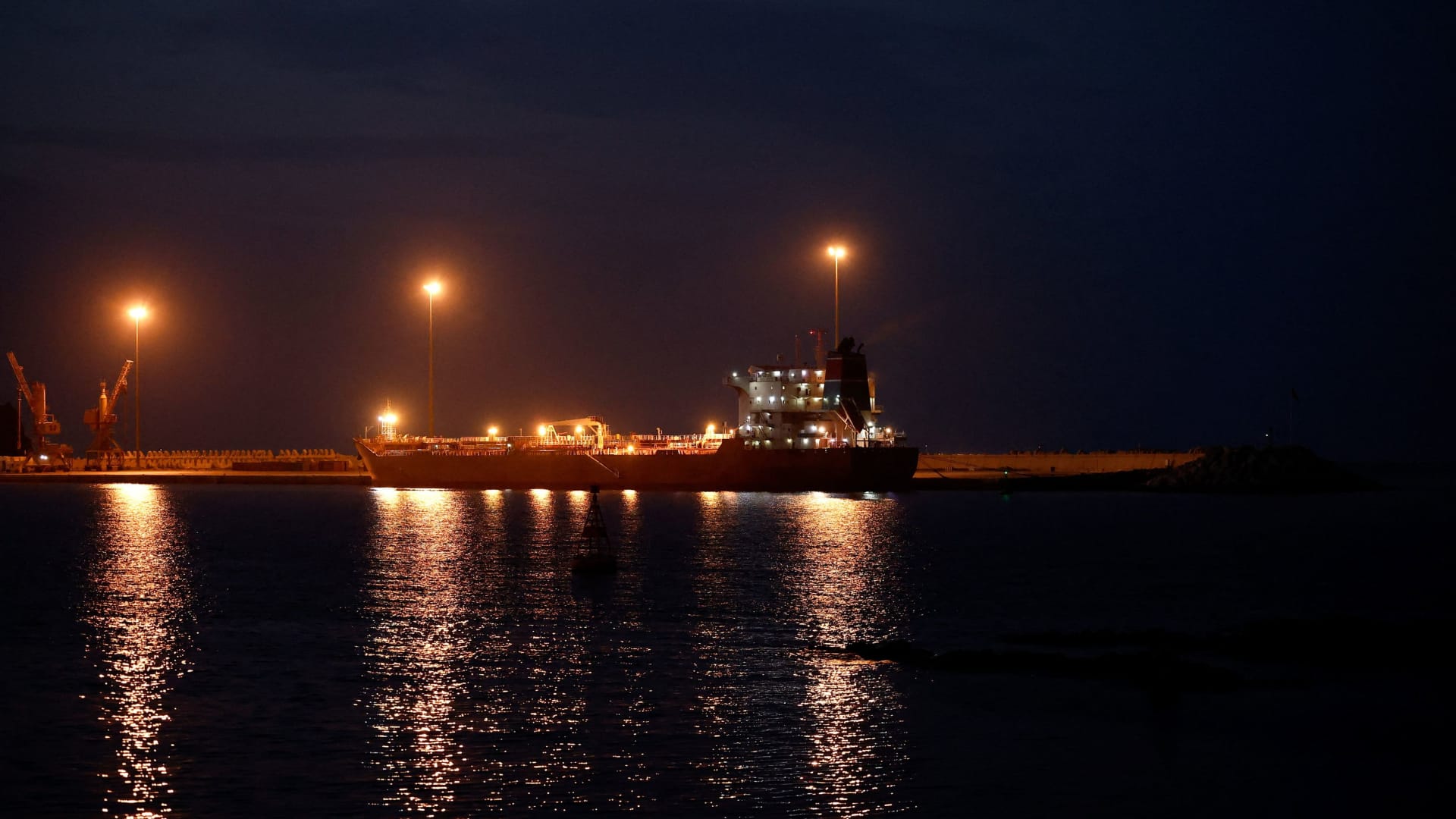
Brent crude tops $110 as Strait of Hormuz stays closed. IEA warns record inventory depletion could trigger price spike if diplomatic deadlock persists. UBS sees 7.6 billion barrels by end-May.
Continue with
Oil prices pushed higher Monday after President Donald Trump's weekend warning on Truth Social signaled limited patience with the Iran-U.S. diplomatic stalemate. Brent crude for July settled at $110.93 a barrel, up 1.73%. West Texas Intermediate for June rose 1.52% to $107.24. The immediate trigger was Trump's statement that "for Iran, the Clock is Ticking... TIME IS OF THE ESSENCE!" – a threat that markets read as raising the probability of armed conflict resumption.
The simple read is that traders priced another geopolitical risk premium. The better read starts with a physical market already stretched thin by a chokepoint closure that a fragile April ceasefire failed to resolve. The Strait of Hormuz remains mostly closed, and the U.S. blockade of Iranian ports continues. Before the conflict, nearly a fifth of the world's oil and gas supply transited the waterway. That volume has been offline for weeks with no restart timeline.
Strait of Hormuz: Supply Gap Widens Without a Catalyst
The April ceasefire delivered diplomatic cover but no real delivery. Tehran has not reopened the strait. Washington has not lifted its blockade. The result is a persistent supply loss from a chokepoint that carried roughly 17 million barrels per day of crude and refined products before the disruption. Markets had initially priced a quick resolution. That assumption is now crumbling.
Trump's Sunday post effectively declared the status quo unacceptable. The trading implication is a longer-than-expected closure window. If the impasse stretches into June, the supply deficit deepens – and the inventory buffer that could absorb the shock is gone.