Tehran accuses Washington of being "addicted" to sanctions after Treasury Secretary Bessent said restrictions were suffocating Iran. Trump demands compensation from Tehran as Strait of Hormuz remains a flashpoint.
The United States and Iran have not traded fire in recent weeks, but the war of words is escalating. Tehran on Tuesday accused the Trump administration of being "addicted" to economic restrictions after Treasury Secretary Scott Bessent said sanctions were "suffocating" the Islamic Republic.
Foreign Ministry spokesperson Esmail Baqaei responded on X, calling Bessent's claim "a stark testament to America's compulsive addiction to sanctions." He wrote that whenever Washington proves incapable of diplomacy, "it retreats into sanctions; and whenever those sanctions fail to produce results, it simply increases the dose."
Baqaei argued that over decades, Tehran has shown it will not be strangled by what he called "exhausted refrains." The real risk, he added, is American leaders strangling their own chances of "a less humiliating exit from a crisis of their own making."
The exchange came as the two sides remain locked over a key sticking point: compensation. Iran has tied the reopening of the Strait of Hormuz to the end of US actions and payment for damages. Baqaei told reporters the waterway's reopening is contingent on the US ceasing what he called "illegal actions," lifting the siege and compensating for damages.
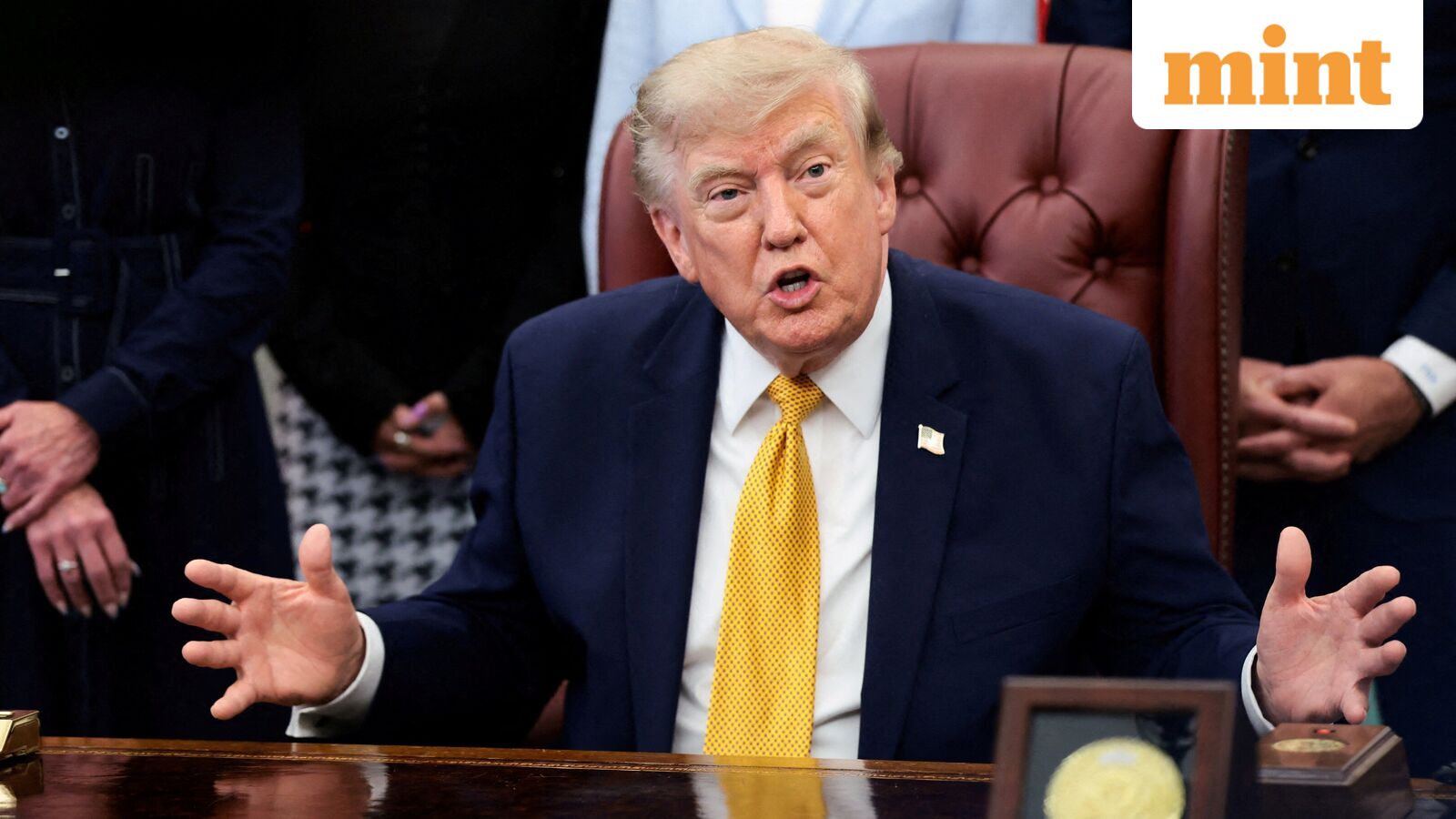
President Trump, in a statement to ABC News on Monday, was asked what comes next after Washington rejected Tehran's demands. "You'll find out," he said. Asked if escalation remained on the table, he repeated the answer and added that the US has "that ability if we want to do that." He said the Strait of Hormuz is "open now" and under US control, while acknowledging Iran could "make trouble."
On Truth Social, Trump announced sweeping counter-demands. He said he is demanding compensation from Iran for all the people killed and wounded by "their roadside bombs and many conflicts." He added that compensation should go to families of "hundreds of thousands of innocent protestors that Iran has killed over the last 50 years."
Trump maintained that compensation for Tehran "was never mentioned in any of our negotiations or meetings." But according to the 14-point memorandum of understanding the two sides signed in June, detailed plans laid out a $300 billion fund for Iran's rehabilitation and economic development after the war, to be created by Washington and its regional allies.
Iran is reportedly working on a deal with Oman regarding a shipping route through the Strait of Hormuz. Whether that agreement can break the impasse remains an open question.
On Sunday, Trump told Axios the administration is taking a "low-key" approach toward Tehran, letting economic pressure do the work. He cited Iran's inflation and said the US naval blockade was deepening the country's financial problems. "We are just watching Iran with its huge inflation and the fact that they have no money," he said.
Prepared with AlphaScala editorial tooling from the source reporting linked above. Indexable analysis may include a cited Alpha Score value. Publishing checks screen each story before release. Educational coverage, not personalized advice.