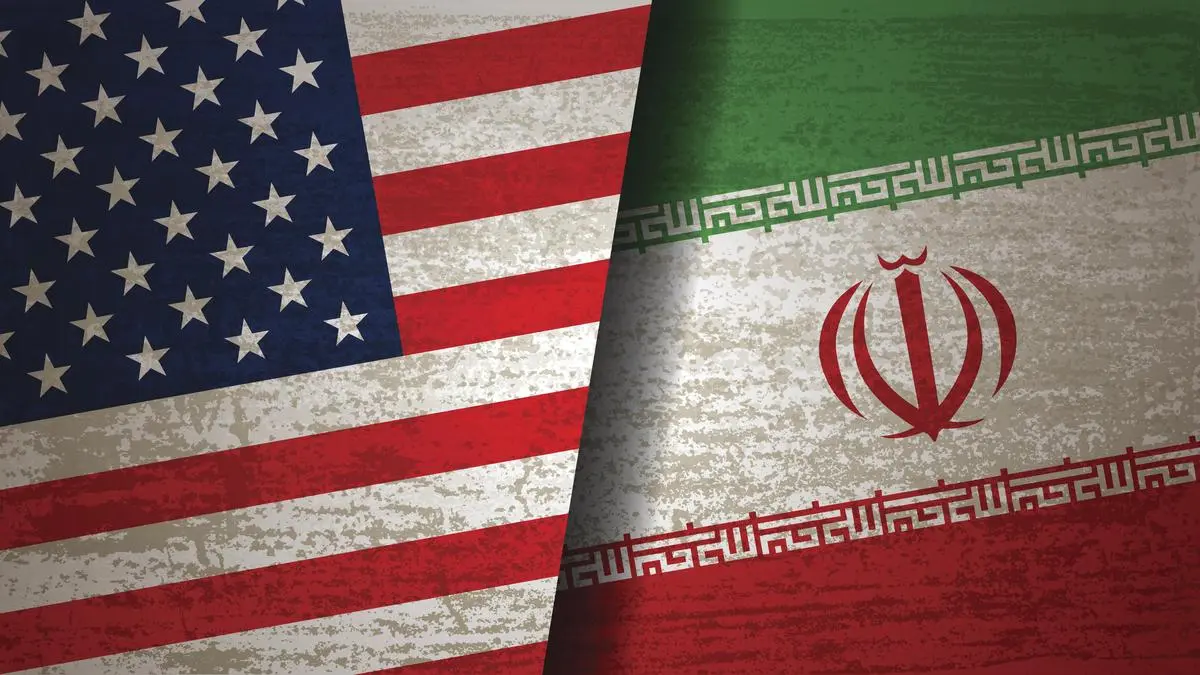
A draft memorandum of understanding between Iran and the United States includes an oil sanctions waiver during negotiations and sets a 30-day procedure for the Strait of Hormuz, Iran’s semi-official Tasnim news agency reported on Sunday. Iran has not accepted any nuclear programme actions yet, and a separate 60-day period is allocated for nuclear talks.
The report is the clearest signal yet of the diplomatic framework Washington and Tehran are exploring. For crude oil traders, the implications run from immediate supply flows to the longer-term re-entry of Iranian barrels into a market already wrestling with OPEC+ quotas and Russian sanctions.
The Oil Sanctions Waiver That Opens Supply Channels
The simple read: a US waiver on Iranian oil sanctions would let Tehran export crude without the current legal and insurance hurdles. That would add supply, pressure prices, and unwind some of the geopolitical risk premium that has held near recent highs.
The better market read starts with execution risk. The waiver is attached to a 30-day window for procedures related to the Strait of Hormuz – the chokepoint through which about one-fifth of global oil passes. That suggests the two sides are negotiating transit security, inspection regimes, and possibly vessel tracking before any oil actually moves. Traders who assume a waiver means immediate tanker loadings are ignoring the operational lag.
Secondly, Iran has not accepted any nuclear commitments. The 60-day nuclear talks timeline means the waiver could be revoked if the nuclear track stalls. Buyers and shippers may remain cautious until they see the final MoU text and a clear path to compliance. The XLE oil ETF has not yet priced in a tangible shift in Iranian supply; the index still reflects a risk premium that could compress if the MoU is signed.
The Strait of Hormuz 30-Day Clock
The 30-day period for Strait of Hormuz procedures is the most concrete catalyst. If the MoU is formalized, expect a ramp in diplomatic and technical discussions around maritime security. Iran has periodically threatened to disrupt Hormuz transit during past tensions. A structured 30‑day working group suggests both sides want to prevent any escalation that could spike oil prices just as the US enters an election cycle.
For oil tanker owners and charterers, the risk of war risk premium on insurance and demurrage charges drops sharply if the MoU proceeds. Conversely, if the 30-day discussions fail, the strait risk premium snaps back. Crude oil futures curve structures have shown elevated backwardation since early 2025; a smooth Hormuz process would likely flatten that curve as prompt supply fears ease.
Nuclear Talks as a Second-Order Driver
The 60-day nuclear talks timeline runs parallel but separate. Iran’s insistence on not committing to nuclear actions means the waiver is effectively a time-limited experiment. If negotiations fail to produce a verifiable nuclear deal within two months, the US could reimpose sanctions. That would put Iranian exports back in the penalty box, and the dip in supply risk would reverse.
OPEC+ producers, particularly Saudi Arabia, will watch closely. A return of even 500,000 to 1 million barrels per day of Iranian crude would complicate the group’s output planning. The next OPEC+ meeting could see tensions over baseline quotas resurface. Read more on the crude oil profile and broader commodities analysis for the latest on supply-demand shifts.
The draft MoU is still a proposal. Iran has not formally accepted it. The next market-relevant step is confirmation from the US State Department or Iranian foreign ministry that the document is on the table. If that happens, oil volatility will compress sharply on the front end. If either side backs away, the risk premium stays high and the Strait of Hormuz timeline becomes a deadline, not a solution.
AlphaScala categorises this as a risk event watch due to the binary outcome of diplomatic talks and the direct impact on oil supply, tanker routing, and OPEC+ calculus.