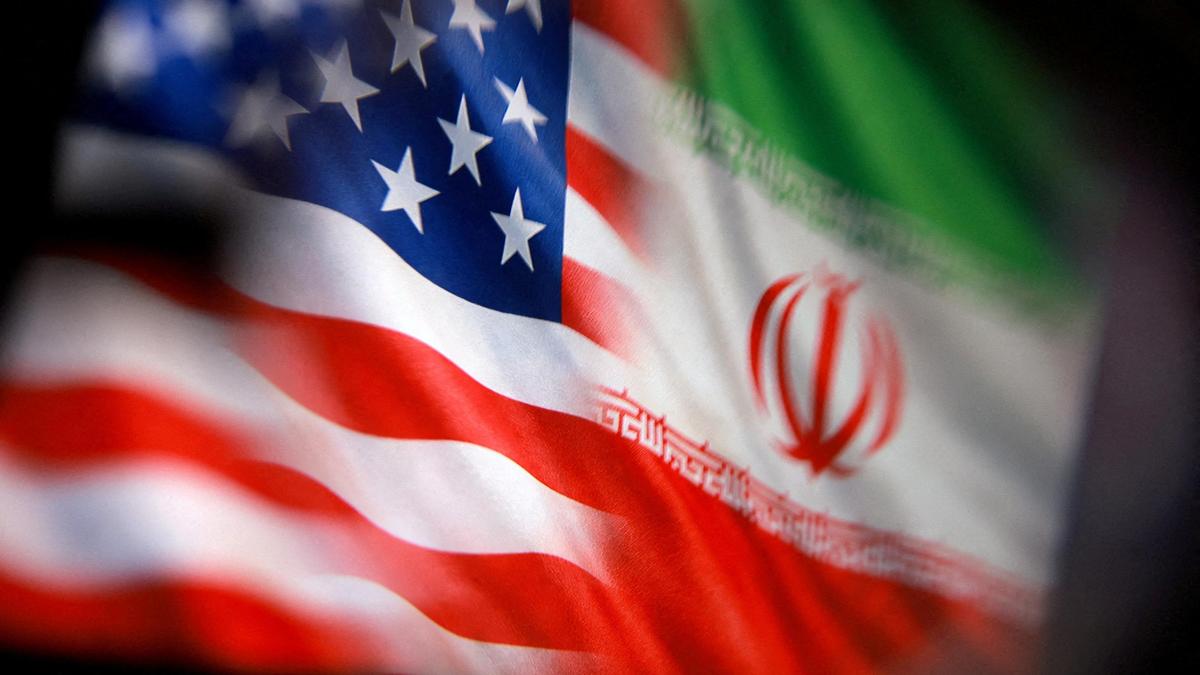
Iran denies a final nuclear deal with the US, while Trump claims a 'great settlement' is near. The Strait of Hormuz reopening hangs in the balance, keeping crude oil risk premium elevated.
Tehran pushed back against reports of a sealed nuclear agreement with Washington, hours after President Donald Trump said the two sides had reached a “great settlement” that would reopen the Strait of Hormuz.
Iran’s Foreign Ministry spokesperson Esmail Baghaei called those reports “merely speculation,” according to CNN’s summary of Iran’s state-run IRNA. “So far, Iran has not reached a final decision regarding any agreement,” Baghaei said. He added that Qatar and Pakistan were acting as mediators but that “US actions are affecting the diplomatic process.”
Trump, speaking from the Oval Office Thursday, described the same talks differently. “We just made a great settlement of the war with Iran, and we’re going to be subject to finalisation of documents,” he said. The deal, he claimed, would keep Iran from ever developing a nuclear weapon. He predicted a signing in Europe possibly that weekend, with Vice President JD Vance attending on his behalf. “When oil comes down, everything else comes down,” Trump added.
The gap between those two accounts matters for crude markets because the Strait of Hormuz is the chokepoint for roughly 20 million barrels of oil per day. Trump said the strait would reopen “officially” once the deal was signed. Iran’s Baghaei warned the route had become “less secure because of US actions.”
For traders, the immediate takeaway is uncertainty rather than a clear supply signal. A signed deal would almost certainly lower the risk premium baked into crude futures, especially if it allowed Iranian barrels–currently under sanctions–back onto the global market. Iran’s oil exports have hovered around 1.5 million barrels per day this year, well below the pre-sanctions level of 2.5 million. Any return of that volume would weigh on prices at a time when OPEC+ is already preparing to unwind some production cuts.
Baghaei’s denial shows the process is far from finished. He said Iran had “proven that it does not compromise on what it has defined as its red lines” and accused the US of “changing their positions.” The shifting tone between the two capitals is a reminder that even a finalised text can unravel at the signing table.
Trump’s comment that oil would come down “when” the deal is signed is a direct hint at his strategy: lower gasoline prices ahead of the 2026 midterms. Market participants expecting a swift reopening may be pricing in relief too early. The Strait of Hormuz remains a military risk zone, and any delay or collapse in talks would push crude back up.
What to track next is the timeline Trump mentioned–a signing in Europe possibly this weekend. If no ceremony materialises, the gap between his announcement and Iran’s denial will widen, and oil will hold its risk premium. If a signing does occur, the question shifts to implementation: whether sanctions relief comes fast enough to actually increase supply.
For now, the crude market sits between two narratives. The price direction depends on which government proves more correct.
Prepared with AlphaScala research tooling and grounded in primary market data: live prices, fundamentals, SEC filings, hedge-fund holdings, and insider activity. Each story is checked against AlphaScala publishing rules before release. Educational coverage, not personalized advice.