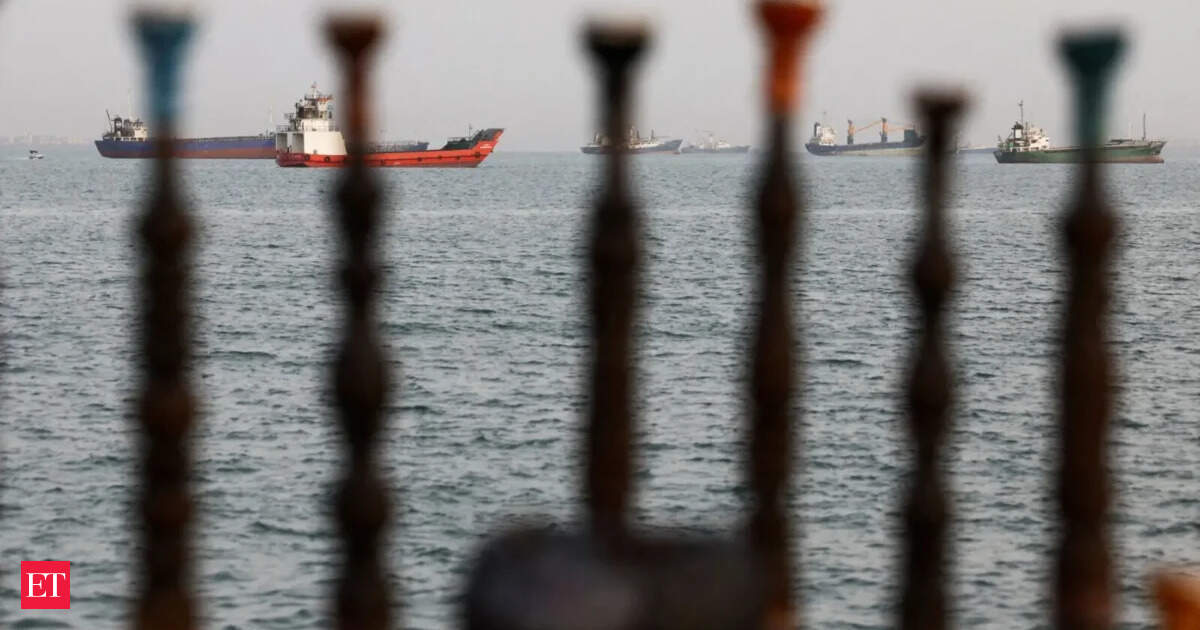
A draft memorandum of understanding between the United States and Iran would halt regional hostilities, reopen the Strait of Hormuz and release $25 billion in frozen Iranian assets, The New York Times reported, citing three senior Iranian officials. The most contentious issue – the fate of Iran’s enriched uranium stockpile – was deferred for separate negotiations within a 30- to 60-day window. Pakistani and Qatari mediators facilitated the draft agreement.
A draft agreement does not equal a final deal. The deferral of the hardest issue means this is a preliminary pause, not a resolution. Iran has agreed to stop fighting across all fronts, including Lebanon, and to allow unrestricted commercial shipping through the Strait of Hormuz without charging tolls. The U.S. would lift its naval blockade. Yet the nuclear question – specifically, what happens to Iran’s stockpile of highly enriched uranium – remains unresolved and pushed into a time-bound negotiation phase that could collapse if either side pushes for terms the other cannot accept.
The 60-Day Nuclear Clock
Three senior Iranian officials told the Times that the draft MOU covers military de-escalation and maritime freedom explicitly setting aside the enriched uranium stockpile for later talks. That sequencing matters. It allows both governments to claim progress on the most visible flashpoints – Gaza, Lebanon and freedom of navigation – while kicking the hardest technical and political problem down the road. The 30- to 60-day deadline on nuclear negotiations creates a ticking clock for diplomats and a period of uncertainty for markets that price geopolitical risk.
The $25 billion in frozen Iranian assets, once released, would give Tehran fiscal breathing room. That does not directly change the calculus for oil supply or shipping lanes. The real market lever is the Strait of Hormuz reopening and the removal of the U.S. naval blockade.
Strait of Hormuz Reopening: Mechanism vs. Headline
Roughly one-fifth of global oil consumption transits the Strait of Hormuz daily. Any credible reopening path reduces the geopolitical risk premium baked into crude prices and shipping insurance rates. Iranian oil exports, effectively capped under sanctions, could rise if the naval blockade lifts. That would add supply to an OPEC+ market already grappling with demand uncertainty. For United States Oil Fund (USO) and energy ETFs, the immediate effect is a downward repricing of conflict risk in the Persian Gulf.
The cautious trader’s framework diverges from the headline. Reopening the strait does not mean Iranian oil floods the market overnight. The logistics of sanctions relief, inspection regimes and buyer confidence take months to rebuild. The draft MOU also requires Iran to stop charging tolls, which removes a small revenue stream and signals broader normalization. For shipping companies, the removal of war risk premiums on hull insurance would improve net freight margins. Again, the effect is gradual unless the nuclear talks conclude successfully.
Decision Point: Confirm or Weaken the Setup
The next concrete catalyst is the result of the separate nuclear negotiations. If the 30- to 60-day window produces a framework for capping or eliminating the enriched uranium stockpile, the geopolitical risk premium on oil and shipping should compress further. If talks stall, the draft MOU could unravel. The Strait of Hormuz reopening would then revert to a contingent scenario rather than a near-term reality.
Traders should watch for official statements from Washington and Tehran, as well as any IEA or OPEC commentary on Iranian supply projections. The same mediators who brokered the draft will need to bridge the gap on enriched uranium. That subject has scuttled every prior round of talks since 2015.
For now, the draft MOU is a positive but incomplete signal. The market’s first move – lower oil and narrower tanker risk spreads – prices the easy part. The hard part, the nuclear stockpile, is deferred. That deferral leaves a six- to eight-week window where the risk of collapse is real.
Related reading: Dorchester Minerals Faces Iran Conflict Risk for Distributions and stock market analysis.