Macro● Neutral
Iran Ceasefire Signed, Trump Vows Retaliation if Violated
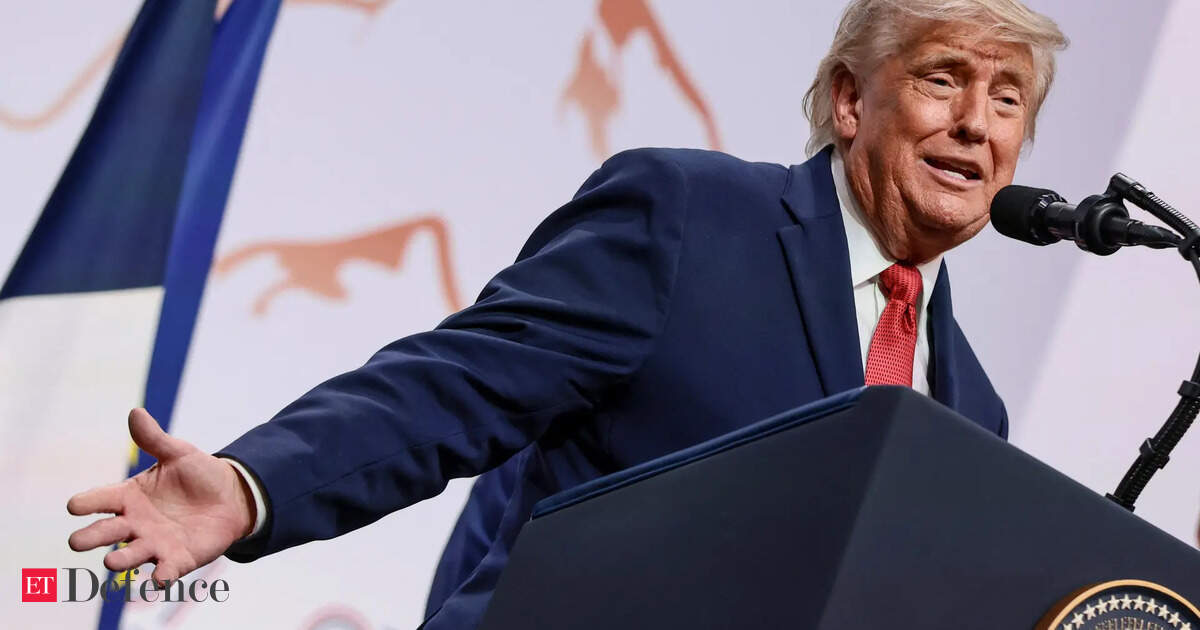
The US and Iran agreed to an interim ceasefire. Trump threatened renewed bombing if Tehran fails to comply. G7 leaders welcomed the deal but flagged regional concerns.
Continue with
President Trump signed an interim ceasefire agreement with Iran, ending direct hostilities between the two countries. The deal includes an immediate halt to fighting and a resumption of maritime traffic. Economic sanctions are lifted as part of the accord. In exchange, Iran committed not to develop nuclear weapons.
Trump warned he would order renewed bombing if Tehran violates the pact. The threat keeps the risk of escalation alive, even as the ceasefire takes hold.
G7 leaders issued a statement welcoming the accord. Their support signals broad international backing. Some officials expressed unease about Iran's ongoing activities in the region, though the joint statement did not detail specific concerns.