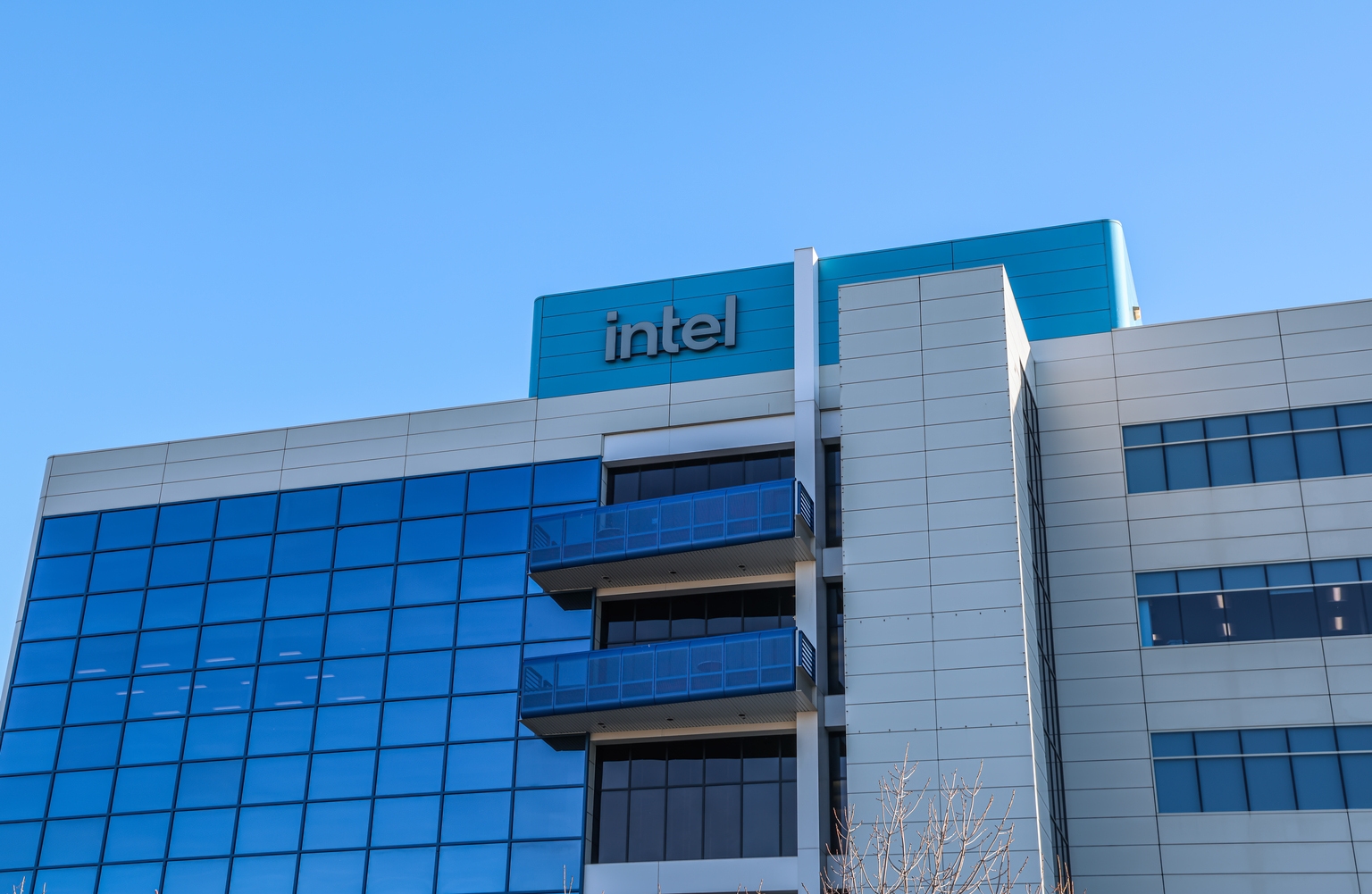
Intel recently reported first-quarter results that signaled a stabilization in its core revenue streams, marking a departure from the persistent contraction seen in previous periods. The company achieved a revenue beat alongside a revised forward outlook, providing a clearer picture of its current operational trajectory. While the immediate reaction in the equity markets was positive, the underlying narrative remains tethered to the heavy capital expenditure required to support its foundry transition and the competitive pressure within the data center segment.
Foundry Transition and Capital Allocation
The primary driver of Intel's current narrative is the aggressive push into the foundry business. This strategy requires massive upfront investment in manufacturing technology, such as the 14A process, which has become a focal point for the company's long-term viability. As Intel integrates these advanced nodes, it faces the dual challenge of maintaining legacy profitability while funding the next generation of semiconductor fabrication. The success of this transition is not merely a matter of technological achievement but a test of whether the firm can manage its balance sheet through a period of elevated capital intensity.
Investors are now weighing the potential for long-term foundry revenue against the immediate drag on free cash flow. The company's ability to secure external partners for its foundry services remains the most critical variable. If Intel can successfully leverage its manufacturing capacity for third-party clients, it may offset the costs of its internal restructuring. However, the current reliance on internal demand and the slow ramp-up of external foundry adoption keeps the stock in a state of transition.
Sector Read-Through and Competitive Positioning
Intel's performance in the Data Center and AI (DCAI) segment provides a specific look at how the company is navigating the broader shift toward accelerated computing. While the sector has seen significant growth driven by AI infrastructure, Intel's recovery in this space is measured against entrenched competitors who have captured the majority of the recent market expansion. The firm's ability to regain share in the server market depends on the successful deployment of its latest processor architectures and the efficiency of its manufacturing output.
AlphaScala data currently assigns INTC an Alpha Score of 53/100, reflecting a mixed outlook that balances the recent earnings stabilization against ongoing structural hurdles. This score highlights the uncertainty surrounding the company's ability to sustain margin expansion while simultaneously scaling its foundry operations. The broader stock market analysis suggests that investors are increasingly sensitive to the capital expenditure profiles of legacy tech firms as they attempt to pivot toward high-growth segments.
The Next Operational Marker
The next concrete marker for Intel will be the execution of its 14A process roadmap and the subsequent updates on foundry utilization rates. Investors should monitor upcoming filings for evidence of sustained external customer wins, which would serve as a validation of the foundry-first model. Any deviation from the projected timeline for node maturity or a failure to stabilize margins in the face of increased R&D spending will likely force a reassessment of the company's valuation. The path forward is defined by the balance between operational efficiency and the massive capital requirements of the semiconductor industry.