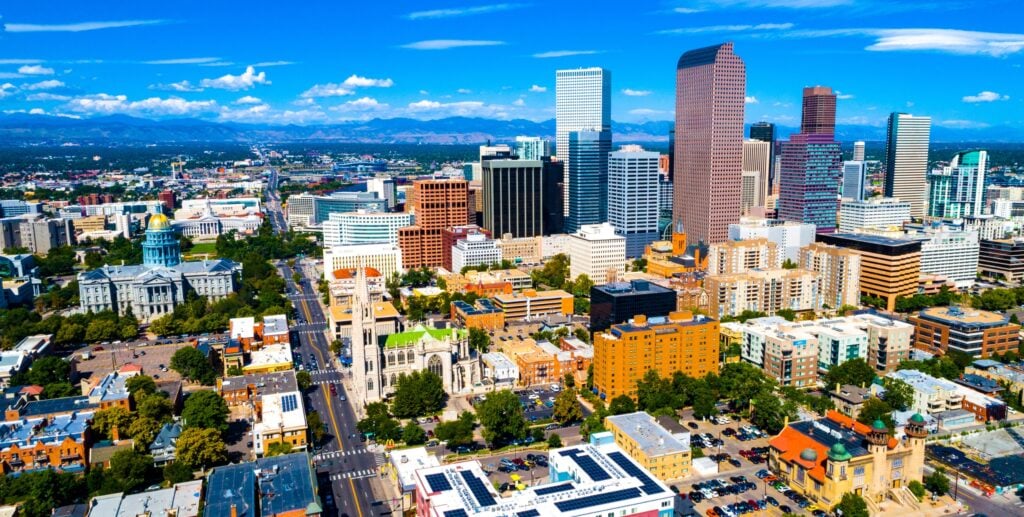
A 18.32% jump in Colorado homeowner insurance premiums in 2025, more than three times the national average, is turning cash-flow-positive rentals into loss-making properties. The state's foreclosure filings rose 51% year over year, according to ATTOM data cited by the Wall Street Journal, and property taxes and insurance are named as contributing factors.
Colorado's premiums have roughly doubled since 2020, LendingTree data shows. That puts the state at the sharp end of a national trend: 71% of homeowners reported higher insurance costs in recent years, and the national average increase since 2020 is 46.8%. Iowa and Minnesota saw increases of 96% and 88.2% respectively.
For landlords, the math is brutal. A rental property that penciled with a 10% cash-on-cash return three years ago may now be underwater. Rebecca Carter, a LegalShield provider attorney who works with clients in the mid-Atlantic and Northeast, told the Journal that a mortgage payment can jump beyond what investors accounted for once insurance and taxes are added in.
Mark Friedlander of the Insurance Information Institute told Homes.com that Colorado is among the least affordable states for home insurance, with premiums eating 2.43% of household income. That is the 11th highest rate in the nation, according to the 2025 Insurance Research Council's Affordability Index.
Carole Walker, executive director of the Rocky Mountain Insurance Association, described Colorado as a dual-catastrophe state. The combination of hail risk and wildfire risk makes the state a target for insurers, and the market has been unprofitable, she said.
John Klaassen, president of Lightship Insurance in Denver, told Homes.com in an email that insurers now expect every state to be profitable and price accordingly. Other states will not subsidize Colorado's losses, he said.
The Broader National Picture
National foreclosure filings reached nearly 119,000 properties in the first quarter of 2026, a 26% increase from a year earlier, the Wall Street Journal reported, citing ATTOM. Marina Walsh, an economist at the Mortgage Bankers Association, told the Journal that payment shocks from taxes and insurance, along with potential job distress, are creating a layering effect that could cause distress for recent homebuyers.
A separate analysis by the Levy Economics Institute at Bard College found that homeowners are overburdened and struggling to keep up with coverage costs.
For small landlords, the cost escalation is passed to tenants who are already stretched. Harvard University's Joint Center for Housing Studies reported that 12.1 million renters, or 26% of the rental market, spend more than half their income on rent and utilities. Rents rose 30% in real terms from 2001 to 2024, while renter incomes rose only 9%, leaving less residual income after housing costs.
State-Level Responses
Colorado lawmakers created grant programs for hail-resistant roofs and are rolling out a statewide wildfire code to reduce future losses. In New York, Mayor Mamdani acknowledged that insurance costs are crippling landlords' net operating income. He announced a program to provide cheaper property and liability insurance to owners of affordable housing and rent-stabilized buildings. The New York Times quoted him saying the city is delivering comprehensive solutions to the prohibitive cost of insurance.
In California, the FAIR Plan, the state's insurer of last resort for wildfire damage, is raising rates 29.1% for some homeowners starting Oct. 15.
The Investor's Take
An umbrella policy costs roughly $200 for $1 million of coverage and provides extra liability protection beyond standard homeowners insurance. For landlords dealing with tenant disputes, property damage, or legal claims, dropping that coverage to save money is a dangerous move. The risk of a lawsuit far exceeds the premium savings.
For landlords who cannot afford the insurance, the answer is simple: do not buy the property. The cash flow analysis that worked three years ago is obsolete. Higher insurance costs, flat rent growth, and rising property taxes make many markets uninvestable at current prices.
Colorado's 51% foreclosure spike is a warning for other states where insurance costs are climbing. The next stop for that pressure is states like Iowa, Minnesota, and California, where premiums are already well above the national average.