Macro● Neutral
Why Executive Interference in Fed Policy Risks Market Stability
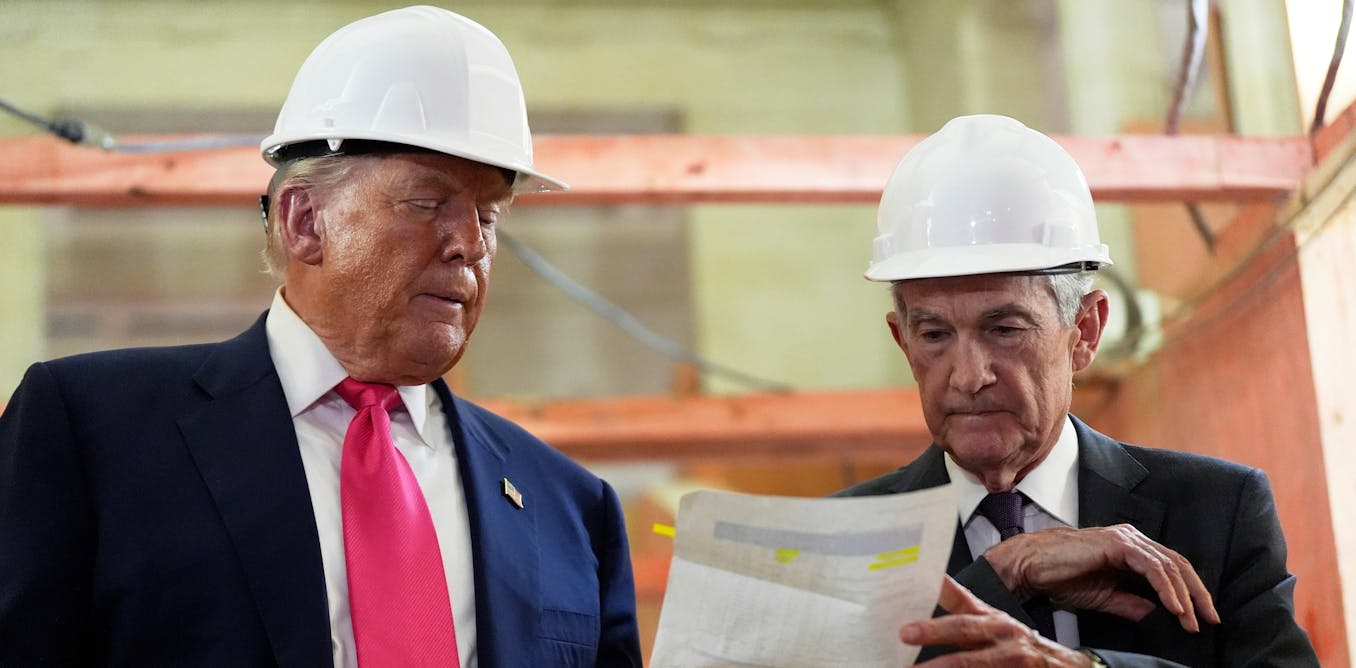
Political pressure on the Federal Reserve threatens to spike risk premiums and weaken the DXY as investors price in the loss of institutional autonomy.
Continue with
Former President Donald Trump has repeatedly suggested that he should have a say in Federal Reserve interest rate decisions, including the potential to fire Chair Jerome Powell. While the Federal Reserve Act grants the Chair a degree of independence from executive oversight, political pressure to influence the central bank's mandate creates direct friction with market stability and inflation management.
The Cost of Political Volatility
Central bank independence is the bedrock of modern inflation targeting. When markets perceive that monetary policy decisions are subject to the whims of the Oval Office, the risk premium on long-term assets spikes. Investors demand higher yields to compensate for the uncertainty of a central bank that might prioritize short-term political cycles over long-term price stability.
If a president were to successfully exert control over the Fed, the primary casualty would be the credibility of the inflation target. Bond markets function on the assumption that the Fed will act against the interest of the current administration if the data necessitates a hawkish tilt. Once that independence is compromised, the US Treasury yield curve often steepens to price in the risk of unchecked monetary expansion.
Market Mechanics and Inflation Expectations
Inflation expectations are self-fulfilling. When businesses and consumers believe the Fed is shackled to executive policy, they adjust their pricing and wage demands accordingly. This creates a feedback loop that makes the Fed's job of cooling the economy significantly harder. Historical data shows that in countries where central banks lack autonomy, inflation is almost always higher and more volatile than in those with independent monetary authorities.
- Risk Premium: Increased volatility in the 10-year Treasury yield due to policy uncertainty.
- Currency Impact: Potential for a weakening dollar as foreign investors lose faith in the institutional integrity of the Federal Reserve.
- Capital Flows: A shift in sentiment that could force capital into defensive assets like the gold profile as a hedge against fiat devaluation.