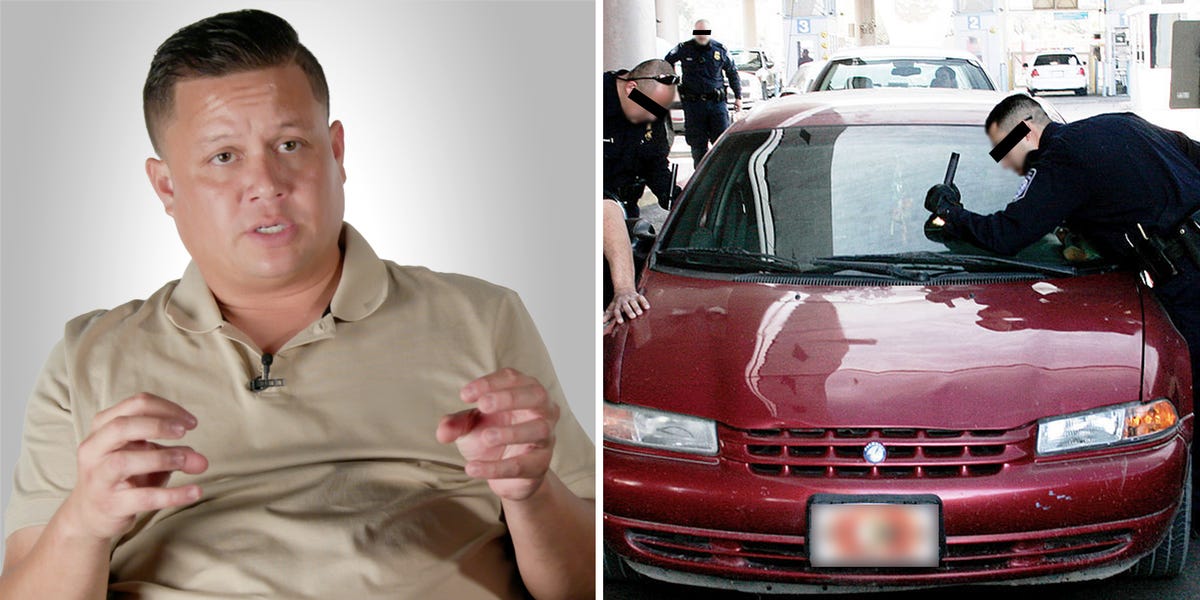
A former cartel operator explains the supply-chain logic behind moving drugs and cash across the border — and why compartmentalization is the backbone of trafficking.
Jacob Diaz was 18 when he started working logistics for Mexican drug networks. He had survived a childhood of extreme poverty and abandonment. From a homeless teenager, he rose to run transit lines and stash houses between Mexico and the United States. For seven years, he moved drugs north and cash south. Then a federal conspiracy conviction put him in prison.
Now out since 2018, Diaz spoke with Business Insider about how the border actually works from the inside. The interview breaks down the supply chain: recruitment, compartmentalization, cash movement, and the daily friction of a double life.
The simple loop is move product north, move cash south. The challenge is scale. A few kilos in a passenger car is not a cartel operation. A cartel operation moves tons and handles millions of dollars in currency. That requires people, vehicles, safe houses, and coordination across multiple cells.
Diaz said compartmentalization is the key. No one person knows the full picture. Drivers know their route and their drop. Stash house operators know their inventory window. The person who recruits drivers may never touch product. This structure limits how much any single person can tell law enforcement if caught.
He recruited drivers the same way a trucking company might. He looked for people with clean records, reliable vehicles, and no obvious ties to cartels. A driver might be told they were moving electronics or clothing. The real cargo was hidden in compartments retrofitted into the vehicle.
The cash side is harder than the drug side, Diaz said. A million dollars in $20 bills weighs about 100 pounds and fills a duffel bag. Moving that much currency across the border without triggering reporting requirements takes planning. Cartels use multiple small shipments, sometimes through mules, sometimes through front businesses with legitimate invoices.
Violence in Mexico during the late 2000s made every shipment unpredictable. Turf wars meant routes could become contested overnight. A stash house that was safe on Monday could be raided by rivals on Tuesday. Operators had to maintain multiple backup plans.
The psychological weight was the hardest part. Diaz said the double life wears you down. You cannot trust anyone. You cannot explain your schedule or your cash. For someone who grew up with nothing, the money was impossible to walk away from.
After his release, Diaz founded My Credit Builder Pros, a credit counseling and financial literacy business. He said the discipline and attention to detail that made him effective in the cartel translated directly to running a legitimate company. The difference is the stakes.
Prepared with AlphaScala research tooling and grounded in primary market data: live prices, fundamentals, SEC filings, hedge-fund holdings, and insider activity. Each story is checked against AlphaScala publishing rules before release. Educational coverage, not personalized advice.