Back to Markets
Stocks● Neutral

IndusInd Bank Profit Growth Outpaces Asset Quality Concerns

IndusInd Bank Profit Growth Outpaces Asset Quality Concerns
ASONHASPATHINDUSINDBK

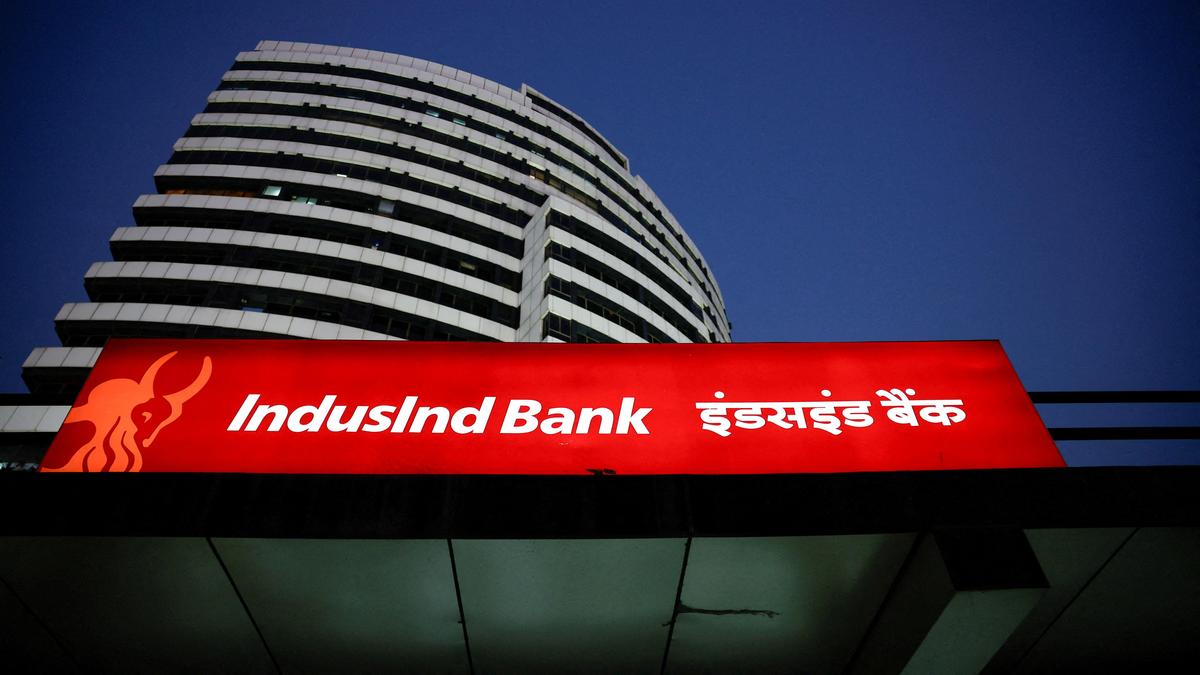
IndusInd Bank reported a fourth-quarter profit of ₹5.33 billion, exceeding expectations as the bank successfully slowed the pace of new bad loan additions.

AlphaScala Research Snapshot
Live stock context for companies directly referenced in this story
Consumer Cyclical
Alpha Score
47
Weak

Alpha Score of 47 reflects weak overall profile with moderate momentum, poor value, moderate quality. Based on 3 of 4 signals — score is capped at 90 until remaining data ingests.

Alpha Score
45
Weak

Alpha Score of 45 reflects weak overall profile with strong momentum, poor value, poor quality, weak sentiment.

Consumer Cyclical

HASBRO, INC. currently screens as unscored on AlphaScala's scoring model.

Technology
Alpha Score
52
Weak

Alpha Score of 52 reflects moderate overall profile with poor momentum, strong value, strong quality, weak sentiment.

This panel uses AlphaScala-native stock data, separate from the source wire linked above.

IndusInd Bank reported a fourth-quarter profit of ₹5.33 billion on Friday, surpassing expectations as the lender successfully moderated the pace of new bad loan formations. This performance signals a potential stabilization in credit quality for the bank, which has faced scrutiny over its exposure to volatile lending segments. By reducing the inflow of non-performing assets, the bank has created a clearer path for margin preservation in an environment where interest rate volatility remains a primary concern for the broader banking sector.

Asset Quality and Credit Stability

The core of the bank's recent performance lies in its ability to contain slippages. A deceleration in new bad loans suggests that the bank's risk management protocols are effectively filtering out lower-quality credit applications. This shift is critical for the bank, as it allows for a more efficient allocation of capital toward higher-yielding assets rather than provisioning for potential losses. The reduction in bad loan additions provides a buffer that supports the bank's bottom line, even if overall credit growth remains subject to macroeconomic pressures.

Investors are now evaluating whether this trend in asset quality is sustainable or merely a temporary reprieve. The bank's ability to maintain this momentum will depend on its exposure to specific industrial sectors that have recently shown signs of cyclical cooling. If the bank continues to demonstrate disciplined underwriting, it may decouple from the broader trend of rising credit costs seen in other regional financial institutions. For more context on how sector-specific shifts impact valuation, see our latest stock market analysis.

Valuation and Operational Efficiency

IndusInd Bank is currently navigating a period where operational efficiency is as important as top-line growth. The profit beat highlights that the bank is managing its cost-to-income ratio effectively, even as it invests in digital infrastructure to compete with larger peers. While the bank has shown resilience, the market remains focused on the sustainability of its net interest margins. Any further decline in the cost of funds will be a necessary catalyst for continued earnings expansion in the coming quarters.

AlphaScala data currently reflects a mixed outlook for various sectors, including technology and consumer cyclicals. For instance, ON stock page shows an Alpha Score of 45/100, while AS stock page sits at 47/100. These scores underscore the importance of granular performance metrics when assessing companies in transition. IndusInd Bank's next major test will be its ability to sustain these profit margins while navigating the regulatory environment that governs capital adequacy and loan classification standards.

The next concrete marker for the bank will be the release of its detailed asset classification report in the upcoming regulatory filing. This document will provide the necessary transparency regarding the composition of its loan book and the specific sectors contributing to the recent improvement in asset quality. Market participants should monitor these disclosures to determine if the current trend represents a structural improvement in the bank's risk profile or a cyclical adjustment.

How this story was producedLast reviewed Apr 24, 2026

AI-drafted from named sources and checked against AlphaScala publishing rules before release. Direct quotes must match source text, low-information tables are removed, and thinner or higher-risk stories can be held for manual review.

Editorial Policy·Report a correction·Risk Disclaimer