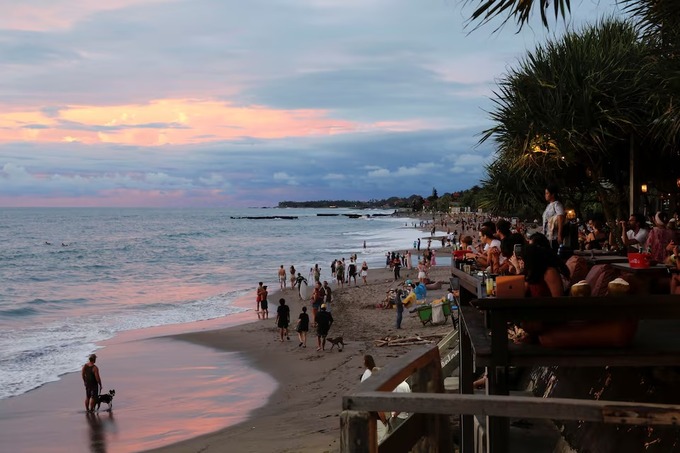
Indonesia's 54,716 km coastline ranks second globally behind Canada. The geography shapes trade routes, infrastructure costs, and maritime disputes across Southeast Asia.
Indonesia sits between the Indian and Pacific Oceans with a coastline that ranks second globally behind Canada. The archipelago nation stretches across more than 17,000 islands, giving it roughly 54,716 km of shoreline, according to the CIA World Factbook.
Canada leads with about 202,080 km. No other Southeast Asian country comes close. The Philippines, with over 7,600 islands, holds roughly 36,289 km. Vietnam's coast runs about 3,444 km. Thailand, Myanmar, and Malaysia each fall shorter.
The geography matters for trade routes, fisheries, and maritime disputes. Indonesia's location along the Malacca Strait and South China Sea puts it at the center of global shipping lanes. The country claims an exclusive economic zone that extends 200 nautical miles from its coastline.
Maritime boundary talks with neighboring states remain active. Vietnam, Malaysia, the Philippines, and Brunei all overlap claims with Indonesia's EEZ in parts of the South China Sea. The UN Convention on the Law of the Sea sets the framework. Bilateral negotiations determine where lines settle.
For traders tracking regional exposure, Indonesia's coastline length signals dependence on port infrastructure and naval capacity. The government plans 39 new airports across remote islands, a buildout that underscores logistics costs for resource extraction and tourism. Palm oil, coal, and nickel shipments move through ports that require constant dredging and maintenance.
Coastal erosion threatens some stretches. Java's northern shore loses land to rising seas and groundwater extraction. The government relocated its capital from Jakarta to Nusantara in part because of sinking ground and flood risk.
Indonesia's coastline is a geographic fact that shapes economic policy, infrastructure spending, and regional negotiation leverage. The number itself – 54,716 km – puts the scale in context. That is more than double the coastline of the United States mainland, excluding Alaska.
Prepared with AlphaScala research tooling and grounded in primary market data: live prices, fundamentals, SEC filings, hedge-fund holdings, and insider activity. Each story is checked against AlphaScala publishing rules before release. Educational coverage, not personalized advice.