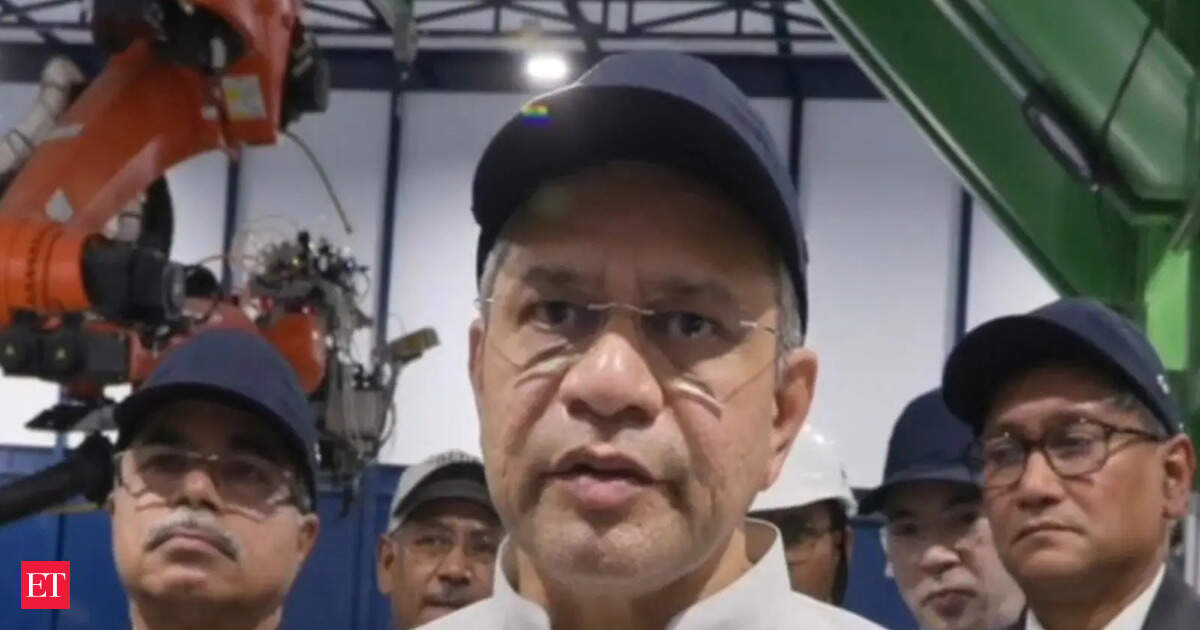
The Indian railway sector is preparing for a significant technological shift as the government confirms the development timeline for the Vande Bharat bullet train prototype. Railway Minister Ashwini Vaishnaw announced that the high-speed train is scheduled for rollout in 2027. This development marks a transition from standard high-speed rail upgrades to the introduction of indigenous bullet train technology, aiming to modernize the country's vast rail infrastructure.
Infrastructure Modernization and Industrial Capacity
The move toward a domestic bullet train prototype signals a shift in capital allocation for the national rail network. By focusing on indigenous design and manufacturing, the government intends to reduce reliance on foreign technology imports while scaling up domestic production capabilities. This project is expected to influence the broader industrial landscape, particularly for companies involved in heavy engineering, signaling systems, and rolling stock manufacturing.
For investors monitoring the stock market analysis, the timeline provides a clear marker for when domestic suppliers might see increased order books. The transition to high-speed rail requires significant upgrades to existing track infrastructure, which creates a long-term demand cycle for steel, electrical components, and specialized construction services. The 2027 target serves as a benchmark for assessing the pace of industrial execution and the ability of local firms to meet the technical requirements of high-speed rail engineering.
Sectoral Read-Through and Supply Chain Integration
The introduction of the Vande Bharat bullet train is part of a wider strategy to integrate high-speed connectivity into the national transport grid. This initiative follows recent efforts to improve operational efficiency across the rail sector, which has historically faced challenges related to aging infrastructure and capacity constraints. The success of the prototype will likely determine the scale of future investments in high-speed corridors across the country.
While the technology is being developed domestically, the project relies on a complex supply chain that involves both public sector units and private industrial partners. The following areas are expected to see increased scrutiny as the 2027 deadline approaches:
- Development of aerodynamic coach designs and lightweight materials.
- Implementation of advanced braking and safety systems for high-speed operation.
- Upgrading of existing track beds to accommodate increased velocity and vibration loads.
- Integration of digital signaling and automated traffic management systems.
AlphaScala data currently reflects a mixed outlook for various technology and industrial sectors, with names like NOW stock page holding an Alpha Score of 51/100, ON stock page at 45/100, and AS stock page at 47/100. These scores highlight the volatility inherent in sectors undergoing significant capital expenditure cycles. As the 2027 rollout approaches, the focus will shift toward the procurement of specialized components and the ability of the manufacturing sector to maintain the project schedule without significant cost overruns. The next concrete marker for this narrative will be the unveiling of the prototype design specifications and the awarding of primary sub-contracts for the high-speed rail components.