Macro● Neutral
India's Semicon 2.0: ₹1.27 Lakh Crore Push for Semiconductor Ecosystem
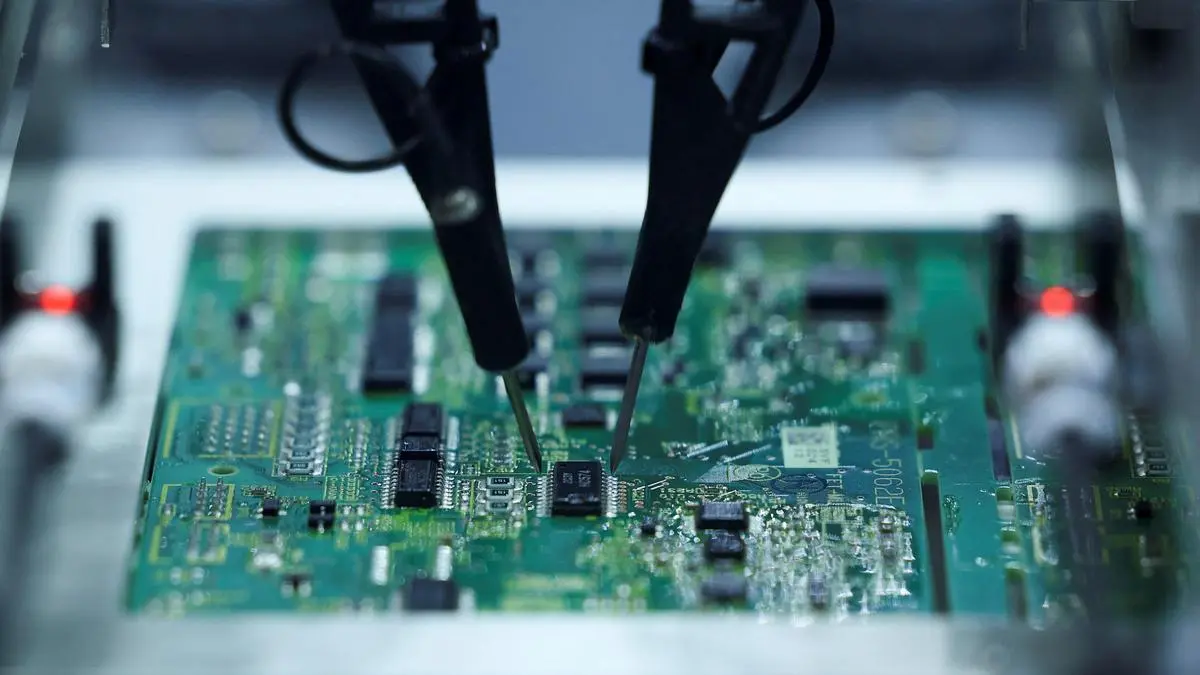
The next phase of India's semiconductor programme aims to catalyse $40-50 billion in investments and create 2-3 lakh high-skilled jobs, industry bodies said.
Continue with
India's cabinet approved the next phase of the Semicon India Programme, known as Semicon 2.0, with an outlay of ₹1,27,500 crore. The policy aims to accelerate the country's semiconductor ecosystem across six pillars: design, manufacturing equipment, fabrication, packaging, research and development, and talent. The government said the approach builds a complete ecosystem to catalyse domestic chip design and production.
Industry veterans and analysts said the programme positions India as a globally competitive hub for semiconductor innovation. Ashok Chandak, President of the India Electronics and Semiconductor Association (IESA) and SEMI India, said phase 1 established credibility, while phase 2 builds long-term capability. "By strengthening ATMP/OSAT packaging, R&D, and talent development, each backed by incentives of up to 75% under the design and R&D pillars, the government is creating the full-spectrum support our industry has been advocating for," he said. He added that the policy comes as the global semiconductor industry enters an unprecedented investment cycle, with worldwide equipment spending expected to grow to nearly $230 billion by 2028.
IESA estimates the programme will catalyse another $40–50 billion in investments and create 2–3 lakh high-skilled jobs. Combined with complementary schemes like the Electronics Components Manufacturing Scheme and Production Linked Incentive, Semicon 2.0 could push domestic value addition in electronics manufacturing to nearly 40%, the association said.