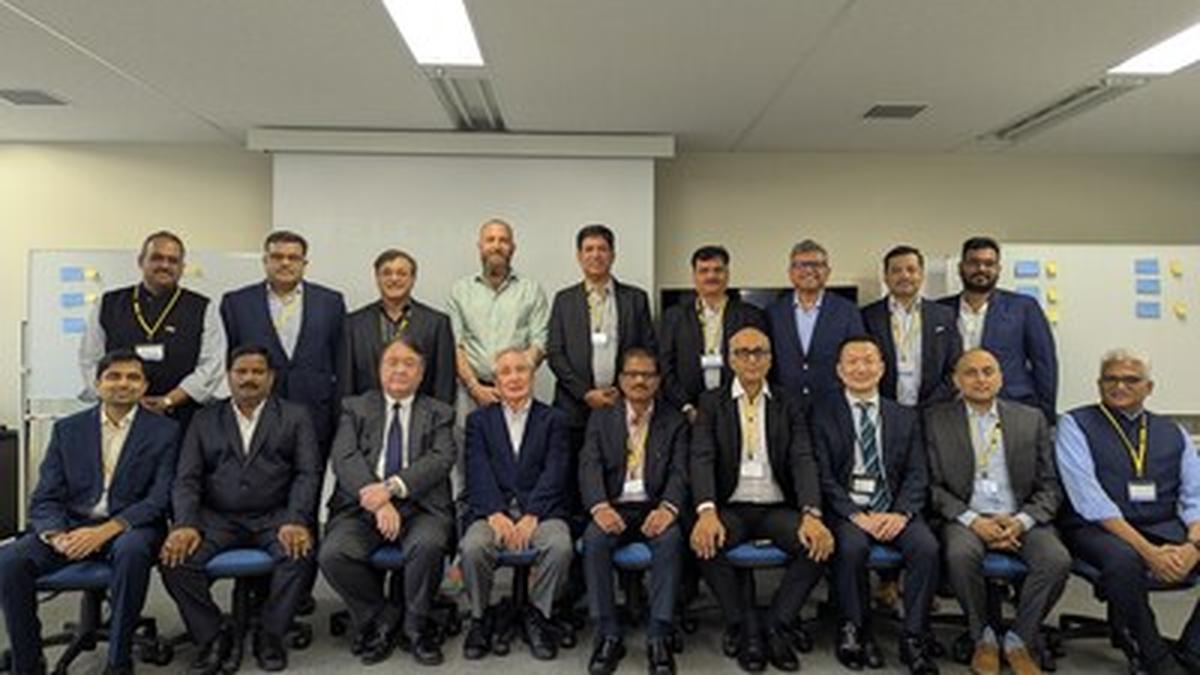
The Indian Foundation for Quality Management (IFQM) recently concluded a high-level CXO study mission to Japan, conducted in collaboration with the Union of Japanese Scientists and Engineers (JUSE). This initiative marks a strategic pivot for Indian industrial leadership, shifting focus from volume-based manufacturing to the rigorous quality standards that underpin Japanese industrial dominance. By embedding these methodologies at the executive level, Indian firms are attempting to bridge the productivity gap that has historically separated domestic manufacturing from global benchmarks.
Operational Integration of the Toyota Production System
The mission centered on the practical application of the Toyota Production System (TPS). Delegates observed how Japanese firms integrate lean manufacturing principles with advanced robotics to drive smart factory transformations. The focus was not merely on automation, but on the cultural shift required to maintain frontline quality standards during rapid scale-up. For Indian executives, the challenge lies in translating these high-discipline environments into the context of India’s rapidly expanding industrial base.
This study mission highlights a broader trend in the Sensex and Nifty50 Rally as Middle East Risk Premium Recedes environment, where domestic firms are increasingly prioritizing operational efficiency to sustain long-term valuation growth. The integration of JUSE-backed quality frameworks serves as a hedge against the rising costs of raw materials and the logistical complexities inherent in global supply chains. By adopting these standards, Indian manufacturers aim to reduce waste and improve output consistency, which are critical factors for firms looking to integrate more deeply into global value chains.
Scaling Quality Culture Across Industrial Sectors
The collaboration between IFQM and JUSE focuses on three primary pillars of industrial maturity:
- The implementation of total quality management systems that prioritize defect prevention over reactive correction.
- The deployment of robotics and automated systems that complement, rather than replace, the frontline quality culture.
- The development of executive-led governance structures that enforce quality standards as a primary performance metric.
These pillars are essential for sectors currently undergoing significant capital expenditure cycles. As Indian companies scale their manufacturing footprints, the ability to maintain quality consistency determines their long-term competitiveness against established regional peers. The focus on JUSE methodologies suggests that Indian leadership is moving away from purely cost-based competition toward a model defined by reliability and process excellence.
The Path to Industrial Maturity
The next phase for these participating firms involves the internal rollout of the frameworks observed during the mission. Investors should monitor subsequent annual reports and operational updates for evidence of these quality initiatives impacting margins. The success of this transition will be measured by the ability of these firms to reduce their reliance on manual oversight while increasing the complexity of their output. As these companies refine their production processes, the focus will shift to whether these quality gains can be sustained across broader, multi-site operations. The upcoming quarterly disclosures will serve as the first real-world test of how effectively these executive-level insights are being translated into tangible operational improvements on the factory floor.