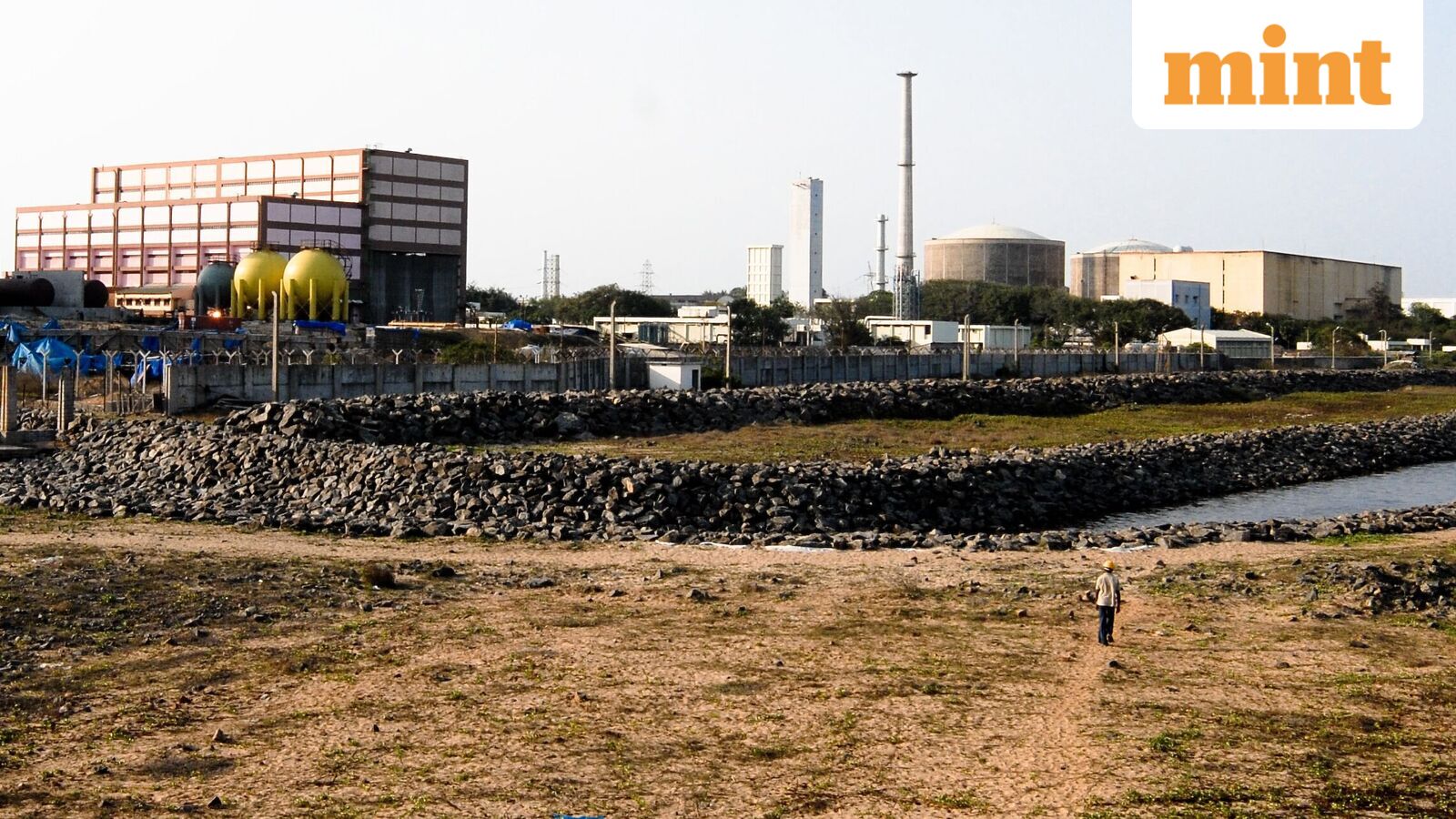
A Strategic Shift in Energy Sovereignty
India has officially entered a new era of energy independence with the Prototype Fast Breeder Reactor (PFBR) at Kalpakkam reaching its first criticality. This milestone marks a pivotal moment in the nation’s three-stage nuclear power program, transitioning from a heavy reliance on imported uranium to a closed-loop fuel cycle that promises to reshape the country’s long-term energy security landscape.
The PFBR, an indigenous technological marvel, is designed not merely to generate electricity but to function as a breeder—producing more fissile material than it consumes. By successfully initiating the chain reaction, India has demonstrated the capability to recycle spent nuclear fuel, a process that is essential for the eventual large-scale utilization of the country’s vast thorium reserves.
The Three-Stage Roadmap
For decades, India’s nuclear ambitions have been guided by a strategic three-stage roadmap designed to circumvent the nation’s relative scarcity of natural uranium. Stage one utilized Pressurized Heavy Water Reactors (PHWRs) fueled by natural uranium. The current transition to the second stage involving Fast Breeder Reactors (FBRs) is the critical link in the chain.
By utilizing plutonium-based fuel generated from the first stage, the PFBR allows India to extract significantly more energy from its limited fuel stocks. More importantly, it lays the groundwork for the third stage: thorium-based reactors. As India holds one of the world's largest reserves of thorium, mastering this technology is the ultimate objective, promising centuries of sustainable, low-carbon energy.
Why This Matters for the Markets
For investors and global energy analysts, the successful startup at Kalpakkam carries significant geopolitical and economic weight. India has historically been hampered by a heavy dependence on foreign uranium imports, leaving its energy sector vulnerable to supply chain disruptions and volatile international pricing. A successful breeder program effectively hedges against these risks, potentially lowering the long-term cost of electricity production and insulating the domestic industrial base from global nuclear fuel price fluctuations.
Furthermore, this achievement positions India as a rare player in the global nuclear technology space. The ability to design, build, and operate fast breeder reactors places India in an elite club of nations, potentially opening doors for future technological exports and strategic partnerships in the clean energy sector. As global markets increasingly prioritize energy security alongside decarbonization, India’s move toward a self-sustaining nuclear cycle becomes a central pillar of its 'Atmanirbhar Bharat' (Self-Reliant India) initiative.
Future Implications and Watch Items
While the achievement of criticality is a major technical success, the focus for stakeholders now shifts to the operational phase. The reactor must now be scaled up to full power to feed into the national grid. Traders and analysts should monitor the timeline for grid synchronization and the subsequent data on plant efficiency and fuel-doubling time.
Looking ahead, the successful deployment of the Kalpakkam reactor will likely influence long-term national energy policy, potentially leading to increased government allocation for nuclear infrastructure. As India continues to industrialize, the stability of its energy grid will remain a primary driver of sustained GDP growth. The progression of the nuclear program is no longer a theoretical exercise; it is now a functional component of India's macroeconomic strategy.