Institutional Integrity Under Fire: The NACC’s ‘Robodebt Six’ Controversy Explained

The NACC’s decision to decline the investigation of the ‘Robodebt Six’ has sparked controversy, raising serious questions about the efficacy of Australia’s anti-corruption oversight and the integrity of its institutions.
A Breach of Public Trust
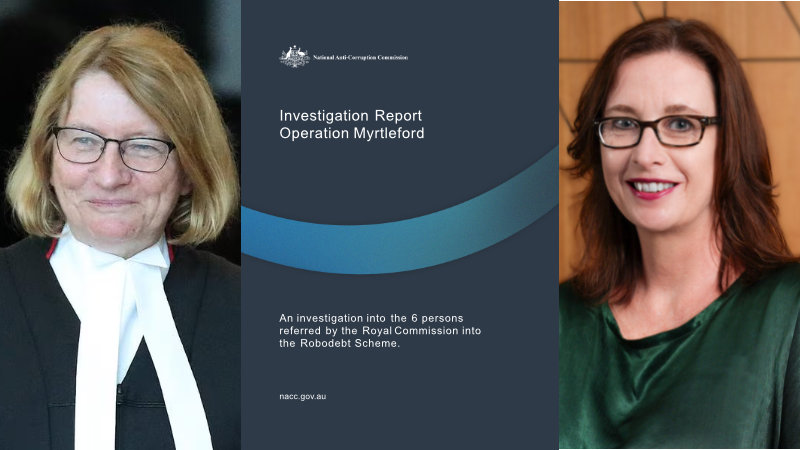
In a development that has sent shockwaves through Australia’s governance and legal oversight landscape, the National Anti-Corruption Commission (NACC) recently arrived at a decision that has sparked widespread public and political outcry. Deputy Commissioner Kylie Kilgour last month effectively cleared the ‘Robodebt Six’—the group of public officials previously flagged by the Royal Commission for potential prosecution regarding their roles in the unlawful Robodebt scheme—from facing further NACC investigation.
The decision centers on the NACC’s determination that the referral from the Royal Commission did not meet the threshold for a corruption investigation. For market observers and institutional investors, this move raises critical questions regarding the efficacy of Australia’s anti-corruption frameworks and the potential for long-term institutional erosion.
The Context: A Legacy of Administrative Failure
The Robodebt scheme, which operated between 2015 and 2019, remains one of the most significant administrative failures in modern Australian history. The Royal Commission into the scheme, headed by Catherine Holmes, concluded that the automated debt recovery process was not only unlawful but characterized by a profound lack of procedural fairness. The commission’s final report made several sealed referrals to the National Anti-Corruption Commission, suggesting that certain public servants had engaged in conduct that warranted closer scrutiny.
By declining to pursue these individuals, the NACC has effectively neutralized the primary enforcement mechanism tasked with holding high-level bureaucrats accountable for the scheme’s catastrophic impact on vulnerable citizens. The ‘Robodebt Six’ refers to the specific cohort of senior officials whose actions were under the microscope for their involvement in the design and implementation of the flawed algorithm.
Why the Decision Matters to the Broader Landscape
The NACC’s refusal to act has triggered a debate over the scope and power of the commission itself. Critics argue that the decision undermines the very purpose for which the NACC was established: to restore public confidence in government processes. For those monitoring the stability of political institutions, the optics of this decision are particularly damaging.
From a market perspective, the stability of the regulatory environment is a key pillar of investor confidence. When oversight mechanisms appear toothless or prone to institutional capture, it introduces a layer of political risk that can impact long-term sovereign outlooks. While this is not a direct market-moving event in the sense of interest rate adjustments or earnings reports, it speaks to the 'governance risk' premium that institutional investors often price into their holdings within specific jurisdictions.
The ‘Deception’ Narrative
The debate has intensified due to accusations that the NACC was not transparent about its reasoning. Observers have characterized the handling of the referral as a ‘deception,’ arguing that the public was led to believe the NACC would act as a robust watchdog. Instead, the decision to close the file has left many questioning whether the commission is sufficiently independent or if it is constrained by the same bureaucratic inertia it was meant to challenge.
Deputy Commissioner Kilgour’s stance suggests a narrow interpretation of ‘corrupt conduct,’ one that may not align with the broader expectations of the Royal Commission or the Australian public. This tension between legal technicalities and ethical accountability is the central friction point in this ongoing saga.
Looking Ahead: The Pressure on Oversight
As the dust settles, the focus shifts to whether legislative changes will be required to broaden the NACC’s mandate. Traders and analysts should keep a close eye on any ensuing parliamentary inquiries or shifts in the commission’s leadership, as these will signal whether the current ‘hands-off’ approach is a permanent policy or a temporary misstep in the commission’s infancy.
For now, the ‘Robodebt Six’ case remains a stark reminder that institutional bodies, regardless of their stated purpose, are subject to the limitations of their own internal processes. Whether this leads to a strengthening of anti-corruption laws or further disillusionment with the public sector remains the key variable to watch.