Macro● Neutral
North Korea Missile Launches: Why Markets Are Bracing for Risk
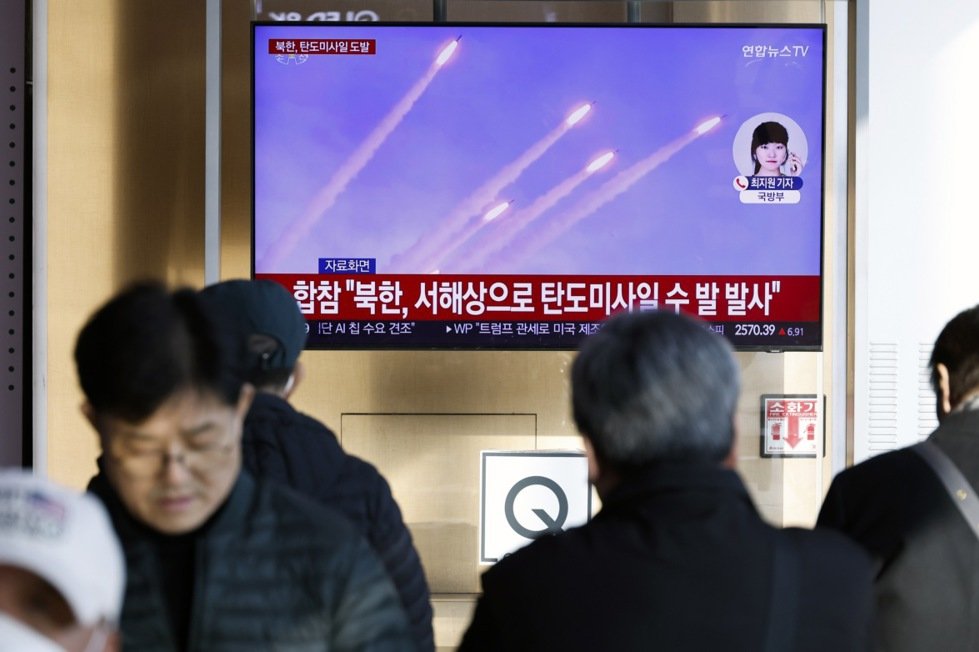
Consecutive launches trigger flight-to-safety flows into XAU/USD and USD/JPY. Watch for U.S. diplomatic responses as a catalyst for broader market volatility.
Continue with
Escalating Tensions on the Korean Peninsula
Regional security concerns have intensified sharply this week as North Korea executed a series of short-range ballistic missile launches on Wednesday, marking the second consecutive day of provocative military activity. According to official reports from Seoul’s Joint Chiefs of Staff, the projectiles were fired toward the East Sea, once again heightening the alert status for South Korean and U.S. forces in the region.
This rapid succession of launches follows a similar deployment on Tuesday, signaling a shift toward more frequent testing cycles. The persistent nature of these maneuvers is being closely monitored by defense analysts, who view the back-to-back testing as a tactical effort to calibrate weapon systems while simultaneously exerting political pressure on the international community.
Contextualizing the Provocation
For market participants, the situation on the Korean Peninsula serves as a perennial, yet unpredictable, geopolitical risk factor. While markets have historically demonstrated a degree of desensitization to North Korean missile tests over the last decade, the frequency of these recent launches raises concerns regarding the potential for miscalculation or unintended escalation.
Historically, such events often trigger a flight-to-safety phenomenon in global markets. Investors typically rotate out of risk-on assets and into traditional safe-haven instruments, including gold, the Japanese Yen (JPY), and U.S. Treasuries, when regional instability in East Asia reaches a critical threshold. The current situation, while localized in terms of geography, carries broader implications for supply chains and diplomatic relations between the major powers involved.